

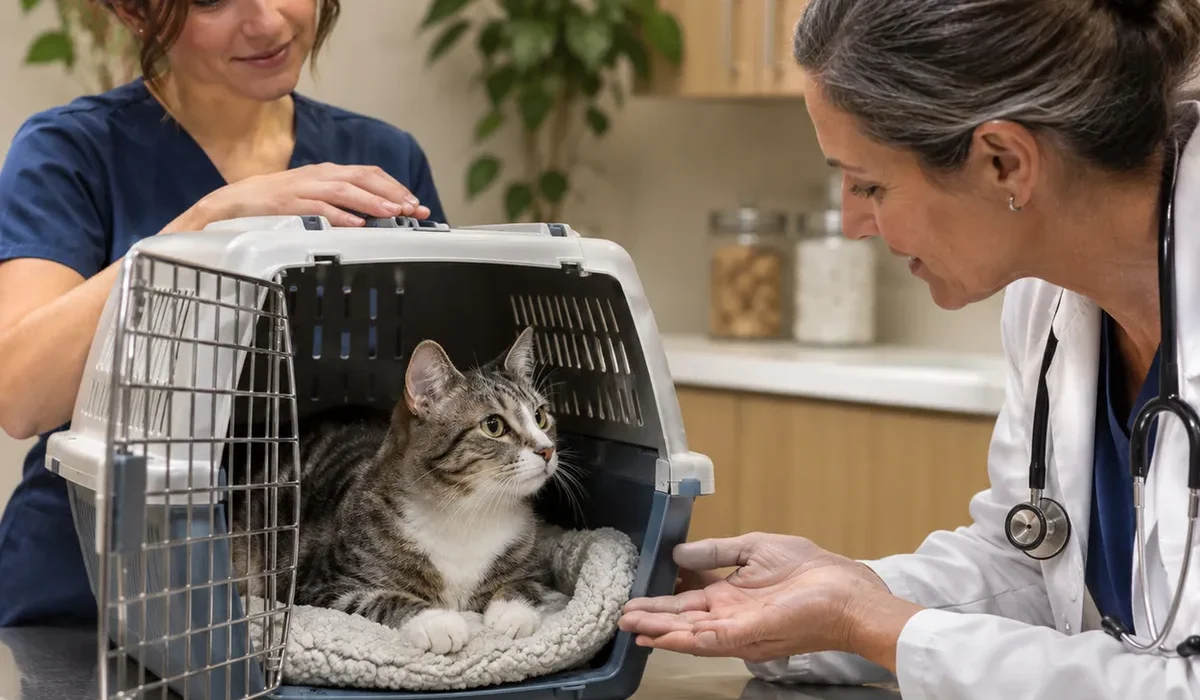
Why Is My Cat Wobbly All of a Sudden? 7 Urgent Causes
Why is my cat wobbly all of a sudden is a question that usually points to ataxia, a loss of coordination caused by a problem in the inner ear, brain, spine, or body chemistry. It matters for every owner because sudden wobbliness in a previously steady cat is never normal and often needs same-day veterinary care.
This post may contain affiliate links. As an Amazon Associate I earn from qualifying purchases.
Table of Contents
Why is my cat wobbly all of a sudden at a glance:
- Short Answer: Sudden wobbliness is a neurological or balance symptom, not a diagnosis, and it has several possible causes.
- Most Common Causes: Inner ear infections, vestibular disease, toxin exposure, low blood sugar, and head injury.
- Urgency: High. Call a veterinarian the same day, or go to an emergency clinic if the cat cannot stand.
- What to Do at Home: Confine the cat to a small, padded, quiet space and remove anything it could fall from or into.
- When to See a Vet: Immediately for collapse, seizures, vomiting, rapid eye movement, or possible poisoning.
What a Wobbly Cat Actually Looks Like
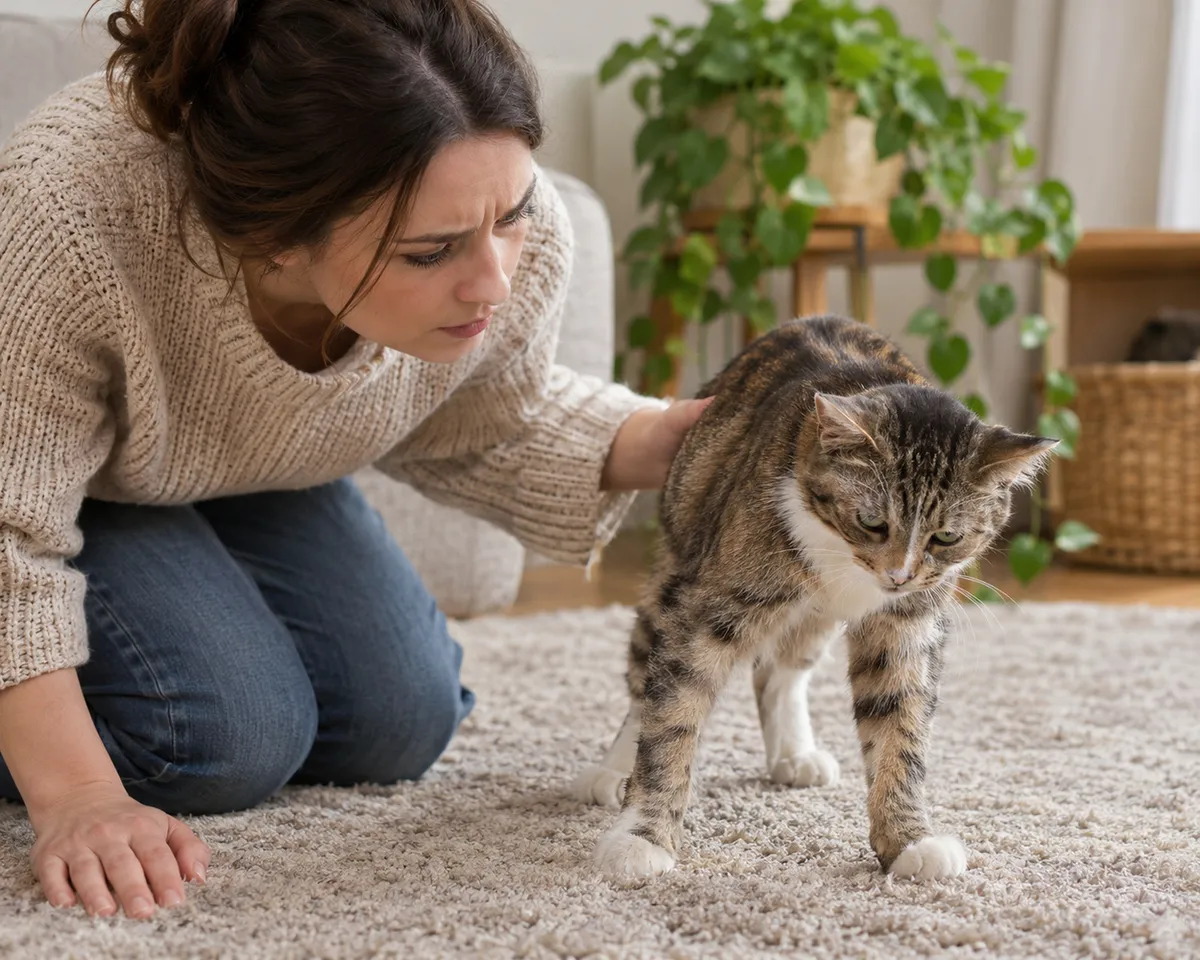
A wobbly cat has trouble coordinating its legs, head, and body, so movement looks drunken or unsteady. Vets call this ataxia, and it is a symptom rather than a disease.
When my own cat first swayed across the hallway, I mistook it for clumsiness. The signs below helped me understand it was something more serious.
- Swaying or staggering while walking, often with a wide-legged stance
- Falling or tipping to one side, or stumbling over its own feet
- Head tilt, where one ear sits lower than the other
- Flicking eyes, called nystagmus, that move side to side or up and down
- Reluctance to jump, or missing jumps it normally makes with ease
- Circling in one direction or leaning against walls for support
Cats are expert at hiding illness, so a sudden change in balance deserves attention even if the cat otherwise acts normal. Owners often notice the problem only after a missed jump onto the sofa.
Why Is My Cat Wobbly All of a Sudden? 7 Urgent Causes
Several conditions can make a cat suddenly lose its balance. The seven below are the ones veterinarians see most often.
1. Vestibular Disease
Vestibular disease disrupts the balance system in the inner ear and brainstem. Cats with it show a head tilt, stumbling, rolling, and flicking eyes, often with nausea. In many cats the cause is never found, and this is called idiopathic vestibular syndrome, which often improves within 72 hours and recovers over two to three weeks.
2. Inner or Middle Ear Infection
An infection deep in the ear canal can inflame the balance organs. Look for head shaking, scratching at the ears, discharge, or a bad smell. Untreated ear mites can trigger these infections, so read our guide to ear mites in cats if you see dark, crumbly debris.
3. Poisoning and Toxin Exposure
Toxins such as antifreeze, certain plants, and some human medications attack the nervous system quickly. Wobbliness after a cat may have chewed a plant or licked a spill is an emergency. Our post on dangerous foods for cats lists common household poisons to keep out of reach.
4. Low Blood Sugar or Diabetes Complications
Brain cells depend on steady glucose, so low blood sugar causes weakness, trembling, and a drunken walk. Diabetic cats given too much insulin are at the greatest risk. You can learn more in our guide to diabetes in cats.
5. Head Trauma or Spinal Injury
A fall, car strike, or rough play can bruise the brain or damage the spine. Weakness in the back legs, dragging paws, or a sudden collapse after an accident needs emergency imaging and care.
6. Stroke, Tumor, or Brain Inflammation
A blockage of blood flow, a growing mass, or inflammation inside the brain can all cause abrupt coordination loss. These causes are more common in older cats. For wider context, see our overview of a tumor in cats.
7. Dehydration, Kidney Disease, or Other Metabolic Problems
Severe dehydration, kidney failure, liver disease, and low potassium can all leave a cat weak and shaky. These cats are often also drinking more, vomiting, or refusing food. Our guide to dehydration in cats explains the warning signs.
Sudden Onset Versus Born That Way
Timing is the clue that separates a new emergency from a lifelong condition. If you keep asking why is my cat wobbly all of a sudden, the key detail is that the cat was steady yesterday and stumbles today.
- Sudden onset in an adult cat: Points to disease, injury, toxin, or infection and needs prompt veterinary care.
- Present since kittenhood: Suggests cerebellar hypoplasia, a non-progressive condition where the cerebellum did not fully develop before birth.
- Slow worsening over months: Suggests a degenerative, metabolic, or tumor-related problem.
Cerebellar hypoplasia cats wobble and have intention tremors but do not get worse with age. Read our guide to cerebellar hypoplasia in cats and the related post on wobbly cat syndrome to compare symptoms.
How Urgent Is a Wobbly Cat? A Quick Chart
Use this chart to judge how fast you need help. When in doubt, call your veterinarian, because balance problems can change quickly.
| Sign | Urgency | Action |
|---|---|---|
| Cannot stand or walk at all | Emergency | Go to an emergency vet now |
| Seizure or loss of consciousness | Emergency | Go to an emergency vet now |
| Possible poison or toxin exposure | Emergency | Call a vet or poison hotline immediately |
| Head tilt with rapid flicking eyes | Urgent | See a vet within hours |
| Repeated vomiting with stumbling | Urgent | See a vet the same day |
| Mild swaying but still eating and drinking | Prompt | Book a vet visit within 24 hours |
What to Do at Home if Your Cat Is Wobbly All of a Sudden
Your first goal is keeping the cat safe and calm until a vet can examine it. A wobbly cat can fall from heights or injure itself on stairs.
- Move the cat to a small, quiet room or a large carrier lined with towels.
- Block stairs, balconies, and high furniture so the cat cannot fall.
- Place food, water, and a low-sided litter tray within a few steps of the cat.
- Offer a soft padded pet bed so the cat can rest without sliding or tipping.
- Note the time symptoms began, any new foods, plants, or chemicals, and any recent falls.
- Take a short video of the wobbling, because vets find it very useful.
Never give human medicine, because common painkillers such as paracetamol and ibuprofen are toxic to cats. Do not force food or water into a cat that is dizzy or nauseated, since it may choke.
How Vets Diagnose Why a Cat Is Wobbly
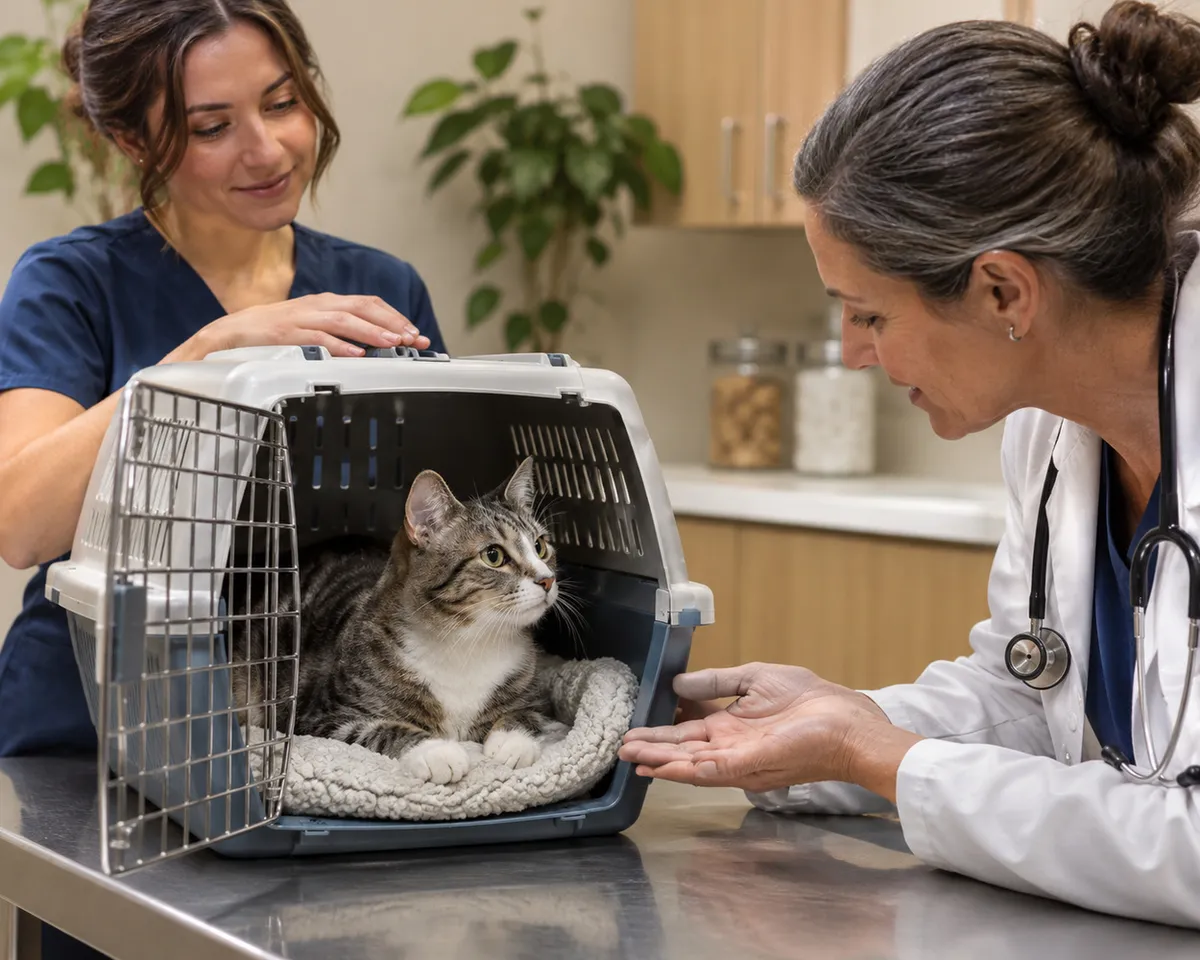
Veterinarians work through the possible causes in a set order. Expect a physical and neurological exam, followed by tests that narrow down the problem.
- Ear exam: A scope checks for infection, mites, polyps, or a ruptured eardrum.
- Blood and urine tests: These reveal blood sugar problems, kidney or liver disease, and electrolyte imbalances.
- Blood pressure check: High blood pressure can damage the brain and eyes.
- X-rays, CT, or MRI: These look for spinal injury, tumors, or brain changes.
- Toxin screening: This is done when exposure to poison is possible.
Be ready to tell the vet about every medication, supplement, and flea treatment your cat has had. Even a recent topical product can be relevant.
Treatment and Recovery Outlook
Treatment depends on the cause, so a proper diagnosis comes first. Many wobbly cats recover well once the underlying problem is treated.
- Ear infections: Treated with cleaning and prescribed medication, often improving within days to weeks.
- Idiopathic vestibular syndrome: Supportive care with anti-nausea medication, with most cats improving within days and recovering in a few weeks.
- Diabetes or low blood sugar: Treated with glucose correction and an adjusted insulin plan.
- Poisoning: Needs immediate decontamination and hospital care.
- Tumors or stroke: May need surgery, medication, or long-term supportive care.
During recovery, a non-slip pet-safe floor mat gives wobbly paws traction on tile and hardwood. Keep the home calm, move food and litter within easy reach, and avoid free access to high surfaces until balance returns. Older cats may need extra help, so our senior cat care tips are worth reading.
The Cornell Feline Health Center notes that prognosis varies widely with the cause, which is why early diagnosis makes such a difference.
Frequently Asked Questions
Why is my cat wobbly all of a sudden but acting normal otherwise?
A cat that wobbles but still eats and plays may have early vestibular disease, an ear problem, or low blood sugar. Cats hide illness well, so book a vet visit within 24 hours even if the cat seems cheerful.
Can a cat recover from sudden loss of balance?
Yes, many cats recover fully, especially from idiopathic vestibular syndrome and ear infections, usually within two to three weeks. Recovery depends on the cause, so a diagnosis is essential.
Is a wobbly cat in pain?
Not always, but dizziness, nausea, and fear are common, and some causes such as injury or infection are painful. A vet can tell the difference and provide suitable relief.
Can stress make a cat wobbly?
Stress alone rarely causes true loss of balance. If a cat stumbles after a stressful event, a physical cause such as injury, toxin, or illness should be ruled out first.
How long does vestibular disease last in cats?
Signs of idiopathic vestibular disease usually peak in the first 24 to 72 hours and then improve over about two to three weeks. A mild head tilt can sometimes remain for life without affecting quality of life.
Knowing why is my cat wobbly all of a sudden starts with accepting that causes range from a treatable ear infection to poisoning or brain disease. Keep your cat safe and calm, note when symptoms began, and call your veterinarian today so the underlying cause can be found and treated quickly.
