
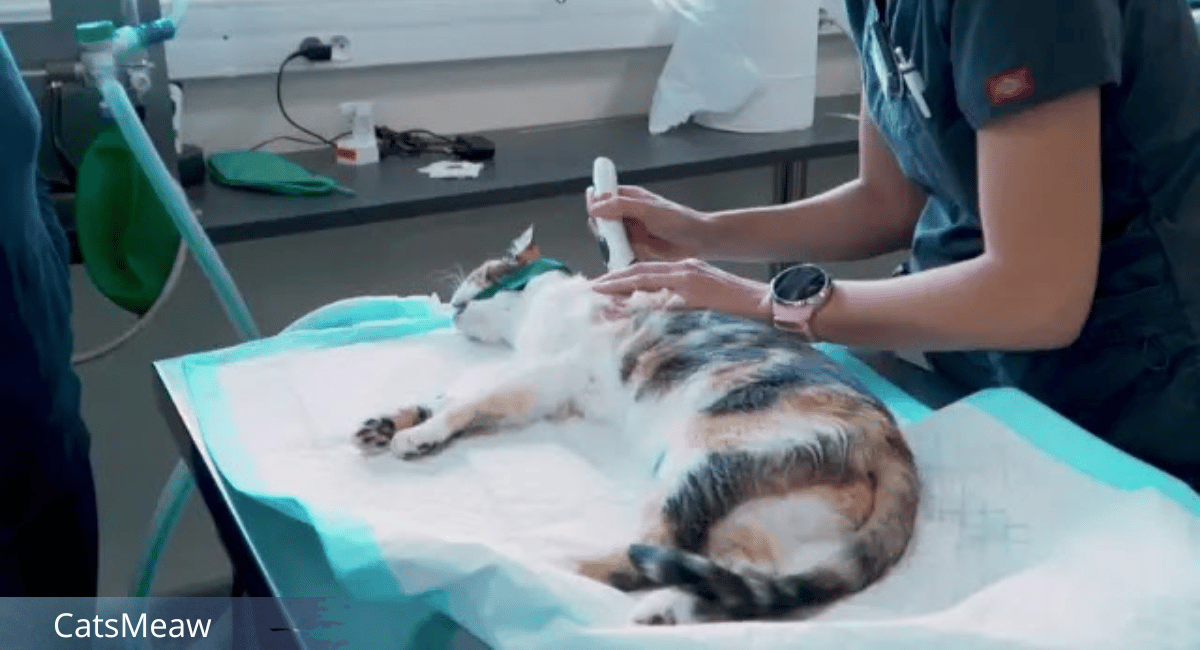
Tumor in Cats: 7 Warning Signs and When to Call the Vet
A tumor in cats is an abnormal mass of cells that can be benign or malignant, and only a veterinarian can tell the difference. Any new lump, persistent sore or unexplained change in appetite or weight deserves a vet visit within days, especially in cats over seven years old.
This post may contain affiliate links. As an Amazon Associate I earn from qualifying purchases.
Table of Contents
Tumor in cats at a glance:
- Short Answer: A tumor is an abnormal growth of cells, and it is not automatically cancer. Warts, cysts, abscesses and benign growths can look identical.
- Most Common Signs: A new or growing lump, weight loss, vomiting, coughing, trouble breathing, and difficulty eating or using the litter box.
- Urgency: Book a vet visit within a few days for any new lump. Go the same day if your cat struggles to breathe, bleeds or stops eating.
- What to Do at Home: Note the size and location, take photos, and never squeeze or pierce the lump.
- When to See a Vet: Anytime a lump lasts more than two weeks, grows, or comes with other symptoms.
What Is a Tumor in Cats?
A tumor in cats is an outgrowth of tissue that forms when cells multiply abnormally. It can be benign, staying in one place, or malignant, spreading to other organs.
Many lumps turn out to be harmless. A lump under the skin may be a fatty growth, a cyst, an abscess from a bite, or a wart. Veterinarians use several methods to find out which:
- Fine needle aspiration, where a vet collects a few cells with a thin needle.
- Biopsy, where a small piece or the whole lump is examined in a lab.
- Imaging such as X-rays or ultrasound to check whether the growth has spread.
Cats are good at hiding illness, so owners often notice a tumor late. Regular hands-on checks help you catch changes early. Our guide on regular veterinary check-ups for cats explains how often adult and senior cats should be examined.
Signs of a Tumor in Cats to Watch For
Signs of a tumor in cats depend on where the growth sits, so symptoms range from a visible lump to quiet changes in eating or behavior. The three main patterns are below.
A Lump Under or On the Skin
Run your hands slowly over your cat once a week, including the neck, belly, chest and the area around the nipples. When my cat turned ten, I started doing this every Sunday, and it is how I learned what “normal” feels like.
- A firm or soft bump that was not there before.
- A lump that grows over a few weeks or changes shape.
- A sore that will not heal, or a lump that bleeds or oozes.
Never squeeze or try to burst a lump. Pressing on it can irritate the tissue and cause infection or bleeding. Skin tumors can be aggressive, so early removal often gives the best outcome.
Whole-Body Symptoms
Tumors inside the body may show no lump at all. Watch for these changes lasting more than a few days:
- Weight loss despite a normal appetite.
- Repeated vomiting or a persistent cough.
- Difficulty breathing, such as open-mouth breathing or fast, shallow breaths at rest.
- Stiffness, limping or reluctance to jump.
- Hiding, unusual meowing or other personality changes.
A cat that stops eating is also a concern, since a cat not eating for more than 24 to 48 hours risks serious liver problems.
Growths in the Mouth, Vulva or Anus
Tumors can also grow in the mucous membranes. Signs include:
- Drooling, bad breath, or dropping food while eating.
- Pawing at the mouth or refusing hard food.
- Straining to urinate or pass stool, or blood from the area.
A mass here can block eating or elimination, so prompt care protects your cat’s comfort as well as ruling out cancer. Straining and blood in the urine also overlap with other emergencies, as covered in our post on blood in cat urine.
Common Causes and Risk Factors
The exact cause of a tumor in cats is often unknown, but several risk factors are well recognized in veterinary medicine.
- Age: Cancer is more common in cats over ten years old.
- Feline leukemia virus: Infected cats have a higher risk of lymphoma and other tumors.
- Sun exposure: White or light-coated cats can develop skin cancer on ears and noses.
- Not spaying: Unspayed females have a much higher risk of mammary tumors.
- Smoke exposure: Living with smokers is linked to oral and lymph node cancers.
Spaying before the first heat remains one of the strongest preventive steps for mammary cancer. For a broader look at serious illnesses, see the most common cat diseases.
Diagnosis, Treatment and Home Care
Treatment for a tumor in cats depends on the tumor type, location and whether it has spread, so a veterinarian must decide the plan. Never give human pain relievers or home remedies to a cat with a lump.
What your vet may recommend:
- Surgery to remove the mass, often the first choice for skin tumors.
- Chemotherapy or radiation for cancers such as lymphoma.
- Pain control and supportive care when a cure is not possible.
How to support your cat at home:
- Keep a written log of lump size, date and any new symptoms.
- Offer small, tempting meals on a shallow ceramic cat food dish if your cat eats less.
- Provide a low-entry litter box if your cat struggles to step in.
- Use a soft heated cat bed in a quiet spot for rest and comfort.
- Prevent licking or scratching at an incision with a soft recovery collar after surgery.
When to See a Vet About a Tumor in Cats
See a veterinarian promptly for any suspected tumor in cats, and treat breathing trouble, heavy bleeding or refusal to eat as emergencies.
- Same day: Labored breathing, collapse, uncontrolled bleeding, or inability to urinate.
- Within a few days: A new lump, a growing lump, a sore that will not heal, or weight loss.
- At the next check-up: A stable lump your vet has already examined, so it can be monitored.
Early testing gives you answers and more treatment options. For reliable background reading, the Cornell Feline Health Center offers detailed information on feline cancers.
Frequently Asked Questions
Is a lump on my cat always cancer?
No, many lumps in cats are benign, such as cysts, abscesses, warts or fatty growths. Only a vet exam with a needle sample or biopsy can confirm what a lump is.
How fast do tumors grow in cats?
Growth speed varies widely, from a lump that stays the same for years to one that doubles in a few weeks. Any lump that visibly grows over two to four weeks should be checked right away.
What are the early signs of cancer in cats?
Early signs include a new lump, weight loss, reduced appetite, vomiting, a sore that does not heal, and hiding or withdrawn behavior. These changes can also have other causes, so a vet visit is the only way to know.
Can cats survive a tumor?
Yes, many cats recover well, especially when a benign or early-stage tumor is surgically removed. Outcomes depend on the tumor type and how early it is found, so prompt diagnosis matters most.
A tumor in cats is not always cancer, but every new lump or unexplained symptom needs professional attention. Check your cat’s body weekly, write down any changes, and book a vet appointment as soon as you find something unusual.