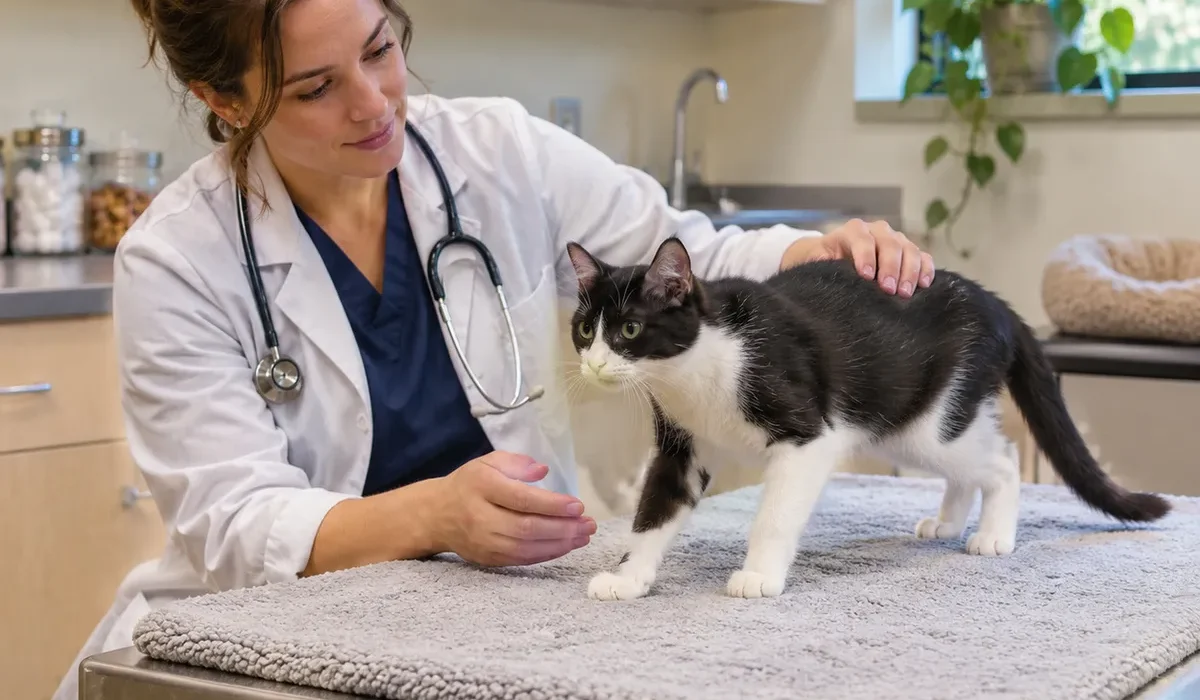
Cerebellar Hypoplasia in Cats: 7 Facts Every Owner Needs
Cerebellar hypoplasia in cats is a neurological condition in which the cerebellum, the brain region that controls balance and coordination, is underdeveloped at birth. Affected kittens wobble, tremble and fall, but the condition does not worsen with age and most cats live a normal lifespan.
This post may contain affiliate links. As an Amazon Associate I earn from qualifying purchases.
Table of Contents
Cerebellar hypoplasia in cats at a glance:
- Short Answer: A non-progressive birth condition that causes wobbling, tremors and clumsy movement.
- Most Common Cause: Infection of the mother cat or kitten with feline panleukopenia virus before or shortly after birth.
- Is It Painful or Contagious: No. The condition itself is painless, not contagious and does not get worse.
- What to Do at Home: Make the home safe with soft surfaces, low litter boxes and non-slip flooring.
- When to See a Vet: Right away for any wobbly kitten, and urgently if a previously stable cat suddenly gets worse.
What Is Cerebellar Hypoplasia in Cats?
Cerebellar hypoplasia is a condition in which the cerebellum fails to develop fully before birth. The cerebellum fine-tunes movement, so a kitten with a small one cannot judge distance, speed or force correctly.
The result is a kitten that looks drunk or wobbly. Owners often call these cats “wobbly cats” or “special needs kittens.”
The cerebellum sits at the back of the brain and keeps the body steady. It does not start movement itself, but it smooths and corrects it. When it is small or damaged, every step becomes an effort.
The condition is present from birth, which is why signs appear as soon as kittens start walking, at about 2 to 3 weeks of age. Cats with cerebellar hypoplasia in cats’ medical records are mentally normal. They are just as smart, playful and affectionate as any other cat.
A related search owners often make is wobbly cat syndrome, which is simply another name for this same condition.
Cerebellar Hypoplasia in Cats: What Causes It?
The most common cause of cerebellar hypoplasia in cats is infection with feline panleukopenia virus, also called feline distemper. When a pregnant queen is infected, or when a newborn kitten catches the virus within the first weeks of life, the virus destroys the rapidly dividing cells that build the cerebellum.
Several other factors can contribute:
- Maternal infection: A pregnant cat who catches panleukopenia, often without showing obvious illness herself, can pass the damage to her unborn litter.
- Vaccination of a pregnant queen with modified-live vaccine: Vets generally avoid giving live panleukopenia vaccines during pregnancy for this reason.
- Malnutrition during pregnancy: Poor nutrition in the mother can interfere with normal brain development.
- Toxin exposure: Certain toxins during pregnancy may harm the developing brain.
- Genetic or unknown causes: In some litters, no clear cause is ever found.
Often only some kittens in a litter are affected while others are completely normal. That happens because the virus damages each developing brain differently depending on timing.
Stray and feral queens have a higher risk because they are less likely to be vaccinated. If you ever help with foster kittens from an unknown mother, watch their movement closely from the first weeks.
Signs and Symptoms of Cerebellar Hypoplasia in Cats
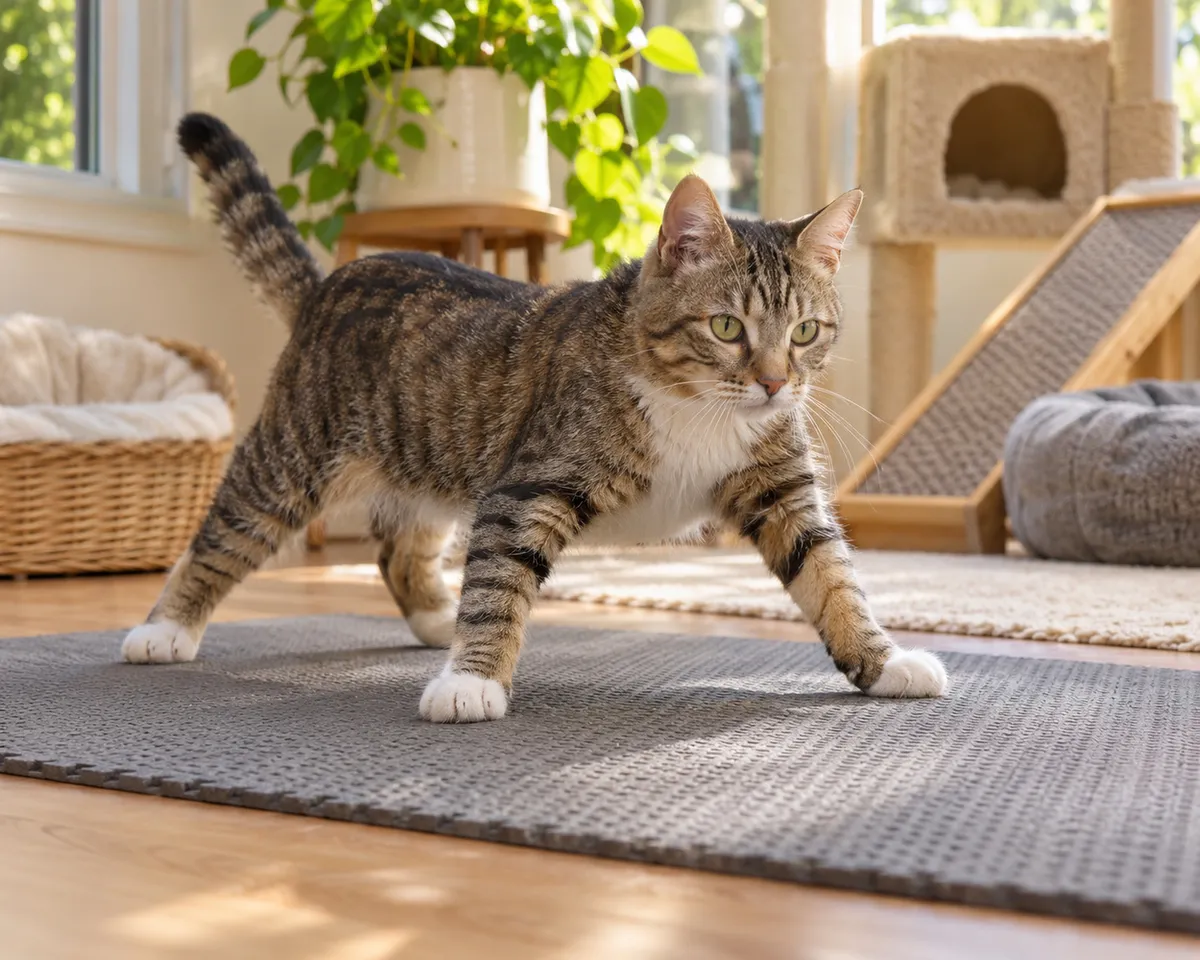
The hallmark sign is a wobbly, uncoordinated walk that appears as soon as a kitten begins to stand. Signs of cerebellar hypoplasia in cats are present from birth and stay roughly the same throughout life.
Common signs include:
- Intention tremors, a head or body shake that gets worse when the cat tries to focus on something, such as eating or reaching for a toy
- A wide-legged, high-stepping or “drunken sailor” gait
- Frequent falling, tipping over or bumping into objects
- Overshooting when jumping, so the cat lands past its target
- Difficulty eating, with the face missing the bowl or the head bobbing near food
- Trouble using a litter box with high sides
- Side-to-side eye movements called nystagmus in some cats
The tremors usually disappear when the cat is resting or asleep. They tend to worsen during excitement, hunger or stress.
Severity varies a great deal. Mild cases may look merely clumsy, while severe cases may struggle to stand or walk without help. Many cats adapt so well that they run, play and even climb in their own unique way.
How Vets Diagnose Cerebellar Hypoplasia
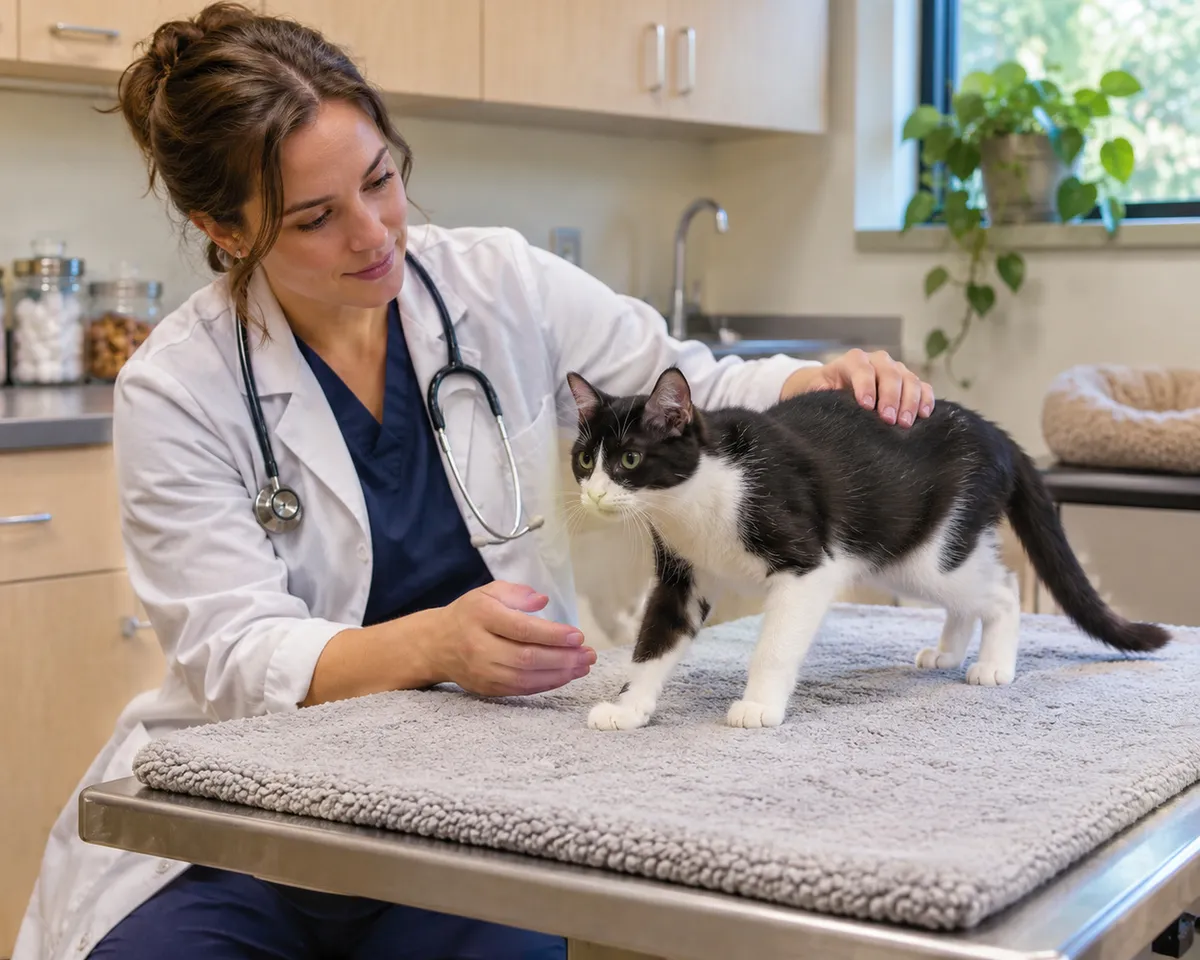
Veterinarians usually diagnose cerebellar hypoplasia in cats from the kitten’s history and a neurological exam. A kitten that has wobbled since it first walked, with no sign of getting worse, strongly points to this condition.
The diagnostic process often includes:
- A full history, including the mother’s vaccination status and any illness during pregnancy
- A neurological exam checking gait, reflexes, posture and eye movement
- Blood tests to rule out infection, low blood sugar or metabolic problems
- Imaging such as MRI, which can show a small cerebellum, when a definite answer is needed
MRI is the only way to confirm the diagnosis, but it requires anesthesia and is costly. Many vets diagnose by exam alone when the picture is typical.
The key point is to separate this condition from problems that do get worse. Other causes of poor coordination include infections, toxins, vitamin deficiencies, spinal problems and brain tumors. You can read about the broader group of balance problems in our guide to ataxia in cats.
| Feature | Cerebellar Hypoplasia | Other Causes of Ataxia |
|---|---|---|
| Age signs begin | From birth, at 2 to 3 weeks | Any age |
| Progression | Stays the same | Often gets worse |
| Pain | None | Sometimes present |
| Contagious | No | Depends on the cause |
| Lifespan | Normal | Depends on the cause |
Is There a Treatment for Cerebellar Hypoplasia in Cats?
There is no cure for cerebellar hypoplasia in cats, because the missing brain tissue cannot regrow. The good news is that the condition does not progress, so the goal is helping the cat live comfortably rather than stopping decline.
Vets focus on supportive care. Medication generally does not help the wobbling, and owners should never give human medicine to a cat without veterinary direction.
Many cats improve slightly over the first months of life. This happens because the cat learns to compensate, and the rest of the brain adapts. Early and consistent practice with movement helps build strength and confidence.
Helpful ways to support your cat:
- Offer physical activity such as gentle play to build muscle and balance
- Keep a steady routine to reduce stress, which worsens tremors
- Schedule regular vet checkups to monitor weight and general health
- Use a non-slip pet mat on smooth floors to give paws better grip
Because cerebellar hypoplasia in cats does not shorten life, a well-cared-for cat can live 12 to 15 years or longer. Regular exams, like those described in our guide to veterinary check-ups for cats, help catch any separate health problems early.
Living With Cerebellar Hypoplasia in Cats
Living with a cat with this condition mostly means making the home safer and more accessible. Most cats with cerebellar hypoplasia in cats’ typical presentation are happy, confident and unaware that they are different.
Home safety changes that make a real difference:
- Pad hard corners and block stairs with a baby gate so falls cannot cause injury
- Choose a low-entry litter box so the cat can step in without climbing, and see our tips on choosing the best litter box
- Place food and water bowls in a corner or on a non-slip mat so they stay put
- Use wide, heavy, shallow bowls so the cat can eat without tipping them
- Offer low, soft beds and ramps instead of requiring high jumps
- Cover slick floors with rugs or carpet runners for traction
Mealtimes can be messy because tremors make aiming hard. Wet food in a wide dish often works better than dry kibble in a deep bowl.
Supervise any time near stairs, windows, balconies or water. Wobbly cats should stay strictly indoors, because they cannot escape danger or climb out of trouble.
Cats living with cerebellar hypoplasia in cats still need enrichment. Try floor-level play, soft toys and puzzle feeders, and look at interactive toys for indoor cats for ideas that do not require high leaps. A calm cat with a predictable home does best.
When to See a Vet About a Wobbly Cat
Any wobbly kitten should see a vet promptly to confirm the cause and rule out conditions that worsen. A stable wobble from birth is typical of cerebellar hypoplasia in cats, but a sudden change is not.
Call a vet right away if you notice:
- A cat that was stable suddenly becoming more uncoordinated
- Seizures, collapse or loss of consciousness
- Head tilt, circling or severe disorientation
- Vomiting, refusal to eat or lethargy along with wobbling
- Signs of pain such as crying, hiding or flinching when touched
- Any new wobbling in an adult cat that previously walked normally
A vet should always make the diagnosis, since several serious conditions mimic this one. Early testing also helps protect other cats in the household. For general reference, the Cornell Feline Health Center explains how neurological conditions are evaluated in cats.
If your kitten has panleukopenia exposure, ask your vet about isolating it from unvaccinated cats. Keeping all cats up to date on cat vaccinations is the best prevention.
How to Prevent Cerebellar Hypoplasia in Cats
The best prevention is vaccinating cats against feline panleukopenia before they ever become pregnant. A fully vaccinated queen passes protective antibodies to her kittens through her milk, greatly lowering the risk of infection and of cerebellar hypoplasia in cats born to her.
Key prevention steps:
- Vaccinate female cats against panleukopenia before breeding or before they have access to males
- Spay female cats if you do not plan to breed them, which also prevents unplanned litters
- Avoid giving modified-live vaccines to pregnant queens unless a vet advises it
- Feed pregnant and nursing queens a complete kitten or growth-stage diet
- Keep pregnant cats away from sick or unvaccinated cats
Kittens receive their core vaccines starting around 6 to 8 weeks of age, with boosters every 3 to 4 weeks until about 16 weeks. This schedule protects them during the vulnerable early period. You can find a full breakdown in our guide to kitten care essentials.
Frequently Asked Questions
Is cerebellar hypoplasia in cats painful?
No, cerebellar hypoplasia in cats is not painful. The wobbling and tremors come from an underdeveloped brain region, not from injury, so affected cats feel no pain from the condition itself.
Can cats with cerebellar hypoplasia live a normal life?
Yes, most cats with cerebellar hypoplasia live a normal lifespan of 12 to 15 years or more. The condition does not shorten life, and many cats adapt remarkably well with a safe home.
Does cerebellar hypoplasia get worse over time?
No, the condition is non-progressive and does not worsen with age. Many cats even improve slightly in the first months as they learn to compensate for their coordination problems.
Is cerebellar hypoplasia in cats contagious?
No, the condition itself is not contagious to other cats. However, the panleukopenia virus that often causes it is highly contagious to unvaccinated cats, so a vet should check any exposed animals.
Can a cat with cerebellar hypoplasia go outside?
No, cats with cerebellar hypoplasia should stay indoors. Poor balance and slow reactions make traffic, predators, heights and water far more dangerous for them than for other cats.
Cerebellar hypoplasia in cats is a lifelong but stable condition that causes wobbling and tremors without pain or decline. With a safe, padded home and a low-entry litter box, these cats can live full, happy lives. If your kitten wobbles, book a vet visit this week to confirm the diagnosis and plan supportive care.