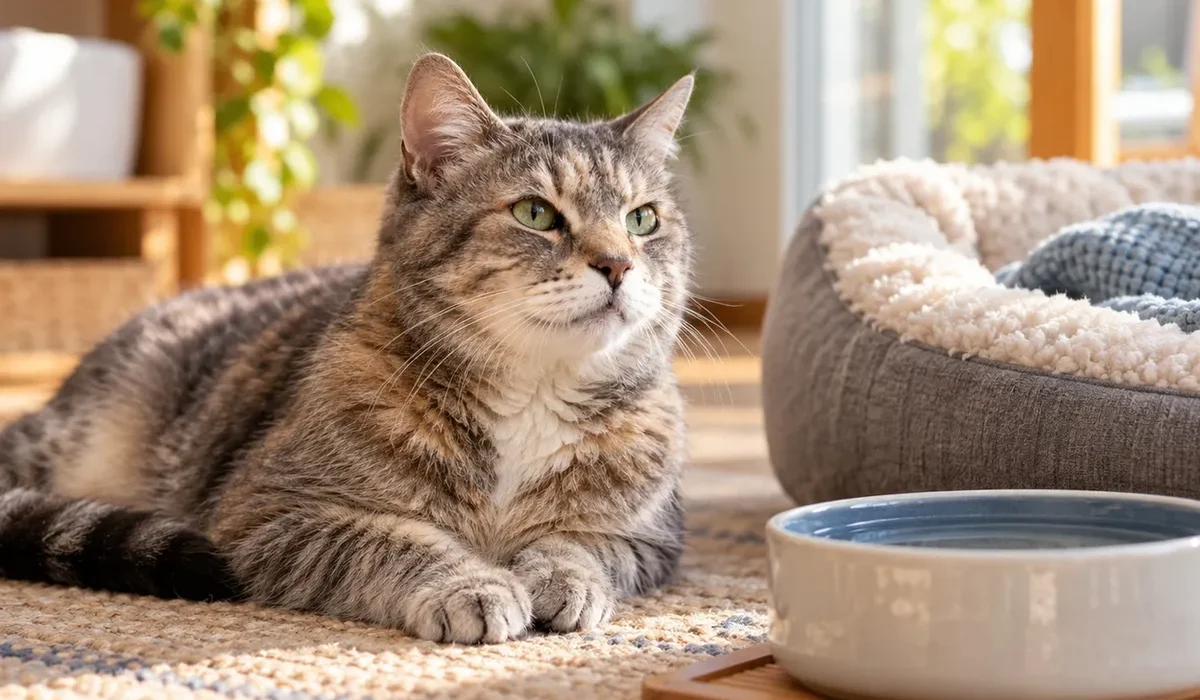
Senior Cat Care: 12 Essential Tips for a Happy Older Cat
Senior cat care means adjusting food, vet visits, home setup and daily routine for cats aged 11 and older. These changes matter most as cats pass 11 years, because arthritis, kidney disease, thyroid problems and dental pain become common after that age.
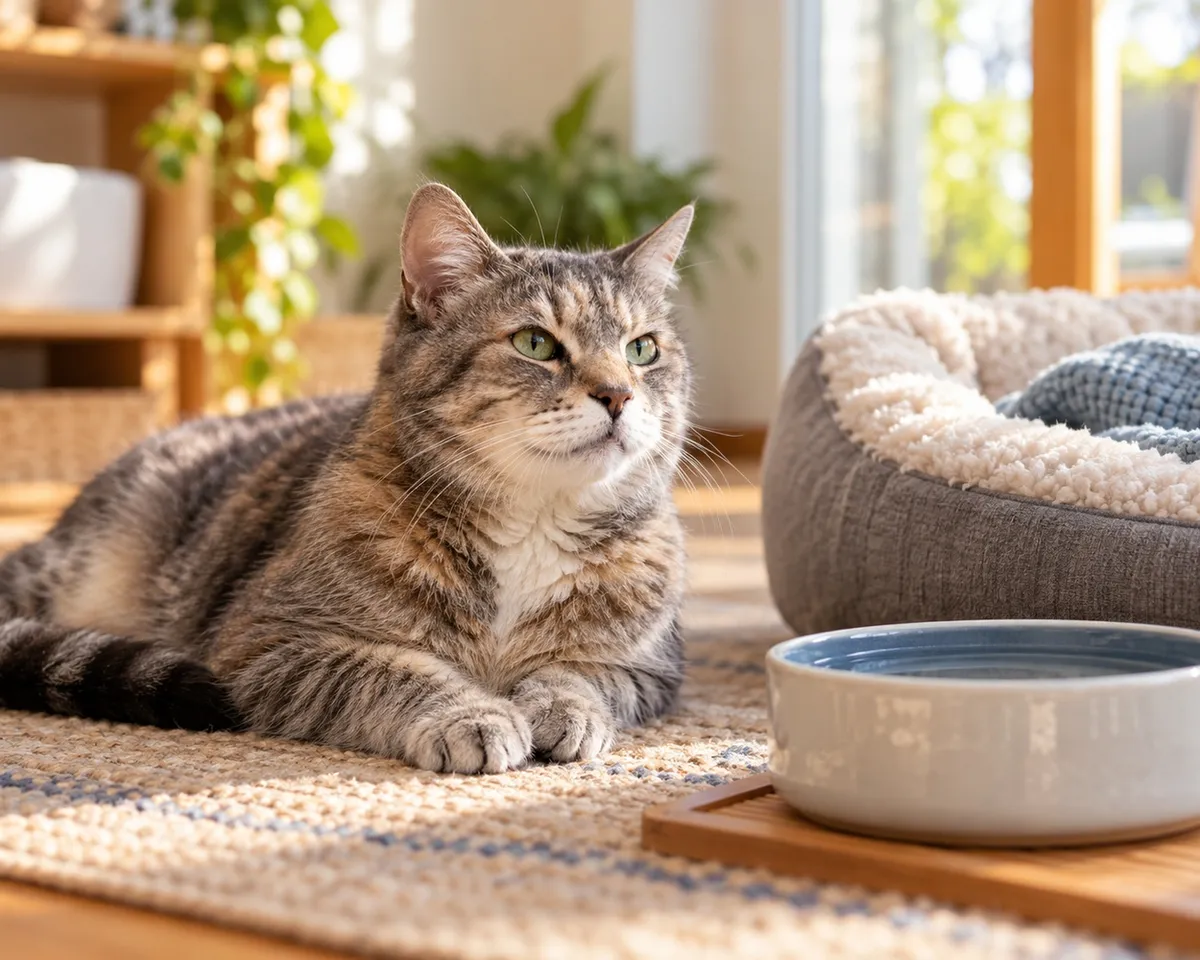
Senior cat care at a glance:
- Short Answer: Cats are considered seniors from about 11 years old and need vet checkups every 6 months.
- Most Common Problems: Arthritis, kidney disease, hyperthyroidism, dental disease, diabetes and cognitive decline.
- Daily Priorities: Fresh water, easy-to-digest food, gentle play, warm bedding and a low-sided litter box.
- Urgency: Appetite loss for more than 24 hours or sudden weight loss needs a vet visit.
- Best Habit: Weigh your cat monthly and note any change in drinking, eating or litter box use.
This post may contain affiliate links. As an Amazon Associate I earn from qualifying purchases.
Table of Contents
When Is a Cat Officially a Senior?
Cats are generally called mature at 7 to 10 years, senior at 11 to 14 years and super-senior at 15 years or older. Aging varies by cat, so behavior and health matter as much as the birthday.
The table below shows how feline life stages compare with approximate human ages. You can read more about this in our guide to cat years to human years.
| Cat Age | Life Stage | Approximate Human Age |
|---|---|---|
| 7 years | Mature | 44 years |
| 10 years | Mature | 56 years |
| 11 years | Senior | 60 years |
| 14 years | Senior | 72 years |
| 15 years | Super-senior | 76 years |
| 20 years | Super-senior | 96 years |
Many indoor cats now live well past 15 years. Good senior cat care adds healthy years, and our post on how long cats live explains the factors behind a longer life.
Senior Cat Care Tip 1: Schedule Vet Checkups Every 6 Months
Senior cats should see a veterinarian twice a year, because disease can progress quickly in an older body. Cats hide pain and illness by instinct, so a checkup often finds problems owners cannot see.
A thorough senior exam usually includes these steps:
- Full physical exam with weight and body condition scoring
- Blood pressure measurement
- Blood work covering kidney, liver and thyroid function
- Urinalysis to screen for kidney disease and diabetes
- Dental exam and mouth check
Early detection gives you far more treatment options. The American Veterinary Medical Association explains the value of routine care in its pet care resources, and our post on regular veterinary check-ups for cats covers what to expect.
Senior Cat Care Tip 2: Feed a Diet That Fits an Older Body
Older cats need highly digestible, high-quality protein, because many seniors lose muscle mass with age. Some seniors gain weight from reduced activity, while others lose weight from dental pain or illness, so feeding must be individualized.
Follow these feeding guidelines:
- Choose a complete and balanced senior cat food with real meat listed first.
- Offer wet food daily, since it adds moisture that supports the kidneys.
- Split meals into 3 or 4 small portions if appetite is poor.
- Warm wet food slightly to boost aroma for cats with a fading sense of smell.
Do not switch diets abruptly. Cats with kidney disease may need a prescription renal diet, which only a veterinarian should recommend. For portion math, see how much to feed a cat in our feeding guidelines, and review the Cornell Feline Health Center feeding guide for nutrition basics.
Senior Cat Care Tip 3: Keep Your Cat Well Hydrated
Senior cats are prone to dehydration because their kidneys concentrate urine less efficiently with age. Chronic kidney disease affects a large share of cats over 15, and good hydration eases the load on those organs.
Try these hydration strategies:
- Place several water bowls around the house, away from food and litter.
- Add a splash of warm water to wet food.
- Use wide, shallow bowls so whiskers do not touch the sides.
- Test a flowing pet fountain if your cat likes moving water.
Learn the warning signs in our guide to dehydration in cats.
Senior Cat Care Tip 4: Protect the Teeth and Gums
Most cats over age 3 show some dental disease, and it gets worse in seniors. Painful teeth make cats eat less, drop food or stop grooming.
Watch for these dental warning signs:
- Bad breath that smells foul rather than fishy
- Red, swollen gums or visible tartar
- Chewing on one side of the mouth
- Drooling or pawing at the face
Daily brushing with a cat-safe enzymatic toothpaste removes plaque before it hardens. Our 7-step guide to brushing your cat’s teeth walks you through it. A vet can clean and treat teeth safely under anesthesia, and pre-anesthetic blood work makes that safer for older cats.
Senior Cat Care Tip 5: Make the Home Arthritis Friendly
Arthritis affects a majority of senior cats, yet many owners miss it because cats rarely limp. They simply jump less, groom less and avoid stairs.
Small changes make movement easier:
- Add pet steps or ramps beside beds, sofas and window perches.
- Use a litter box with a low entry of about 2 to 3 inches.
- Place food, water and litter on every floor your cat uses.
- Lay down rugs on slippery floors for better traction.
- Offer soft, heated bedding in quiet, draft-free spots.
If your cat seems stiff, read our list of signs that a cat is in pain. Never give human pain medicine, since common painkillers are toxic to cats.
Senior Cat Care Tip 6: Maintain Gentle Daily Exercise
Short, gentle play keeps muscles strong, joints mobile and the mind sharp. Aim for two or three 5 to 10 minute sessions a day instead of one long one.
Good low-impact options include:
- Slow-moving wand toys dragged along the floor
- Food puzzles that reward sniffing and pawing
- Window perches with a bird feeder view
- Soft toys that do not require leaping
Our tips on keeping an indoor cat entertained include ideas that suit older cats too.
Senior Cat Care Tip 7: Help With Grooming
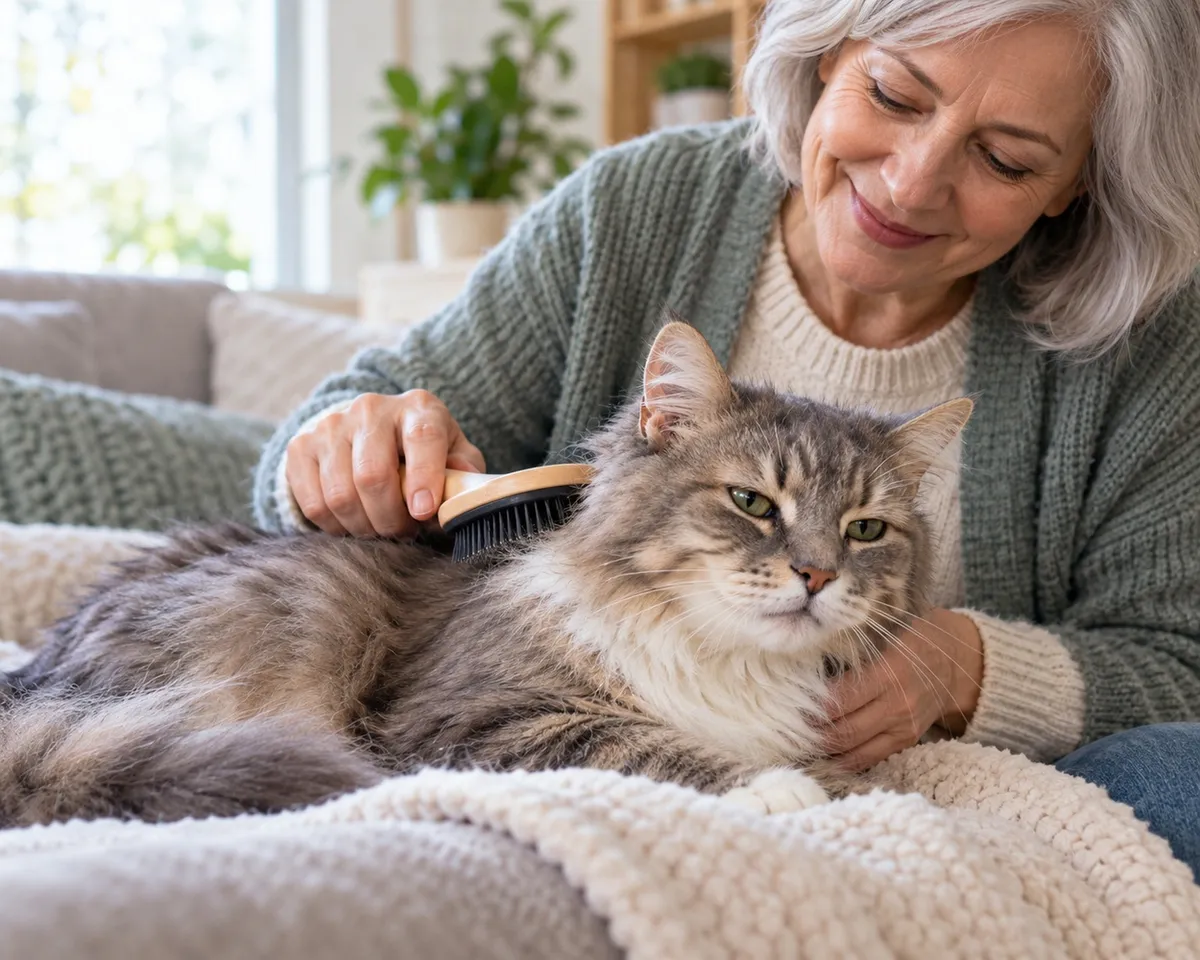
Senior cats often groom less because arthritis, obesity or dental pain makes it hard to reach their backs and hindquarters. Matted fur can pull on the skin and hide sores.
Brush long-haired seniors every day and short-haired seniors 2 or 3 times a week with a soft brush. Check for lumps, scabs and flaking skin as you go. Our cat grooming guide covers technique, and trimming your cat’s nails matters because senior claws grow thick and can curl into the paw pads.
Senior Cat Care Tip 8: Monitor Weight and Appetite Monthly
Weight change is one of the earliest signs of illness in older cats. A loss of even 10 percent of body weight over a few months deserves a vet visit.
Weigh your cat on a home scale each month and keep a simple log. Note changes in appetite, thirst and stool. Our guide to why a cat is not eating explains common causes, and a cat that skips food for over 24 hours needs prompt veterinary care.
Senior Cat Care Tip 9: Know the Common Senior Cat Health Problems
Several diseases become more likely after age 10, and many are manageable when caught early. Knowing the signs helps you act fast.
Common conditions in older cats:
- Chronic kidney disease: Increased thirst and urination, weight loss, poor coat.
- Hyperthyroidism: Weight loss despite a big appetite, restlessness, vomiting. Its opposite is covered in our post on hypothyroid disease in cats.
- Diabetes: Excess thirst, heavy urination and weight loss. See diabetes in cats.
- Arthritis: Reduced jumping, stiffness, irritability when touched.
- Cancer: New lumps, sores that do not heal, unexplained weight loss. Read the warning signs of tumors in cats.
For reliable symptom information, the Cornell Feline Health Center offers detailed disease guides.
Senior Cat Care Tip 10: Watch for Cognitive Decline
Feline cognitive dysfunction is similar to dementia and affects many cats over 15. It develops gradually, so owners often blame normal aging.
Typical signs include:
- Yowling or loud meowing at night
- Staring at walls or getting stuck in corners
- Forgetting where the litter box is
- Disrupted sleep and more daytime napping
- Less interest in family members
Night crying has many causes, so compare notes with our post on why cats meow at night. Rule out pain, thyroid disease and high blood pressure with your vet before assuming cognitive decline. Consistent routines, night lights and enrichment are a key part of senior cat care at this stage.
Senior Cat Care Tip 11: Keep the Litter Box Easy to Use
Litter box accidents in seniors usually signal pain or illness, not bad behavior. Arthritis can make stepping over a tall box painful, and kidney disease can increase urine volume.
Make the box senior-friendly:
- Pick a large box with a low front opening.
- Scoop daily and keep it in an easy-to-reach, quiet spot.
- Add an extra box on each floor.
- Use soft, unscented litter that feels gentle on aging paws.
Our guide to the best place to put a litter box can help you choose locations. Blood in urine or straining is an emergency sign that needs a veterinarian right away.
Senior Cat Care Tip 12: Reduce Stress and Keep Routines Steady
Older cats cope poorly with sudden change, so predictable routines protect their wellbeing. Feeding, play and bedtime at similar times each day lowers anxiety.
Keep these comfort basics in place:
- Avoid rearranging furniture or moving food and litter.
- Introduce new pets slowly, using our tips on introducing a kitten to an older cat.
- Provide warm, quiet resting spots and plenty of gentle attention.
If you are bringing an older cat home, adopting a senior cat can be deeply rewarding when you plan the setup well.
When to Call the Vet About Senior Cat Care Concerns
Call a veterinarian promptly for any sudden change, because small signs can hide serious disease in older cats. Contact your vet immediately for these emergency signs:
- Not eating for 24 hours or more
- Straining to urinate or crying in the litter box
- Open-mouth breathing or constant coughing
- Sudden blindness, collapse or inability to stand
- Repeated vomiting or blood in vomit, urine or stool
Never give human medicine or guess at doses. Your veterinarian can build a plan that fits your cat’s conditions and comfort.
Frequently Asked Questions
At what age is a cat considered a senior?
Cats are considered seniors from about 11 years old, and super-seniors from 15 years. Many show early aging signs such as less jumping and weight change around age 10.
How often should a senior cat see the vet?
A senior cat should see the vet every 6 months, or sooner if symptoms appear. Twice-yearly exams with blood work catch kidney, thyroid and dental problems early.
What is the best food for a senior cat?
The best food is a complete, balanced diet with high-quality, digestible protein and plenty of moisture. Wet food suits most seniors, but cats with kidney disease may need a prescription diet.
How can I tell if my senior cat is in pain?
Signs include reduced jumping, hiding, less grooming, changes in litter box habits and irritability when touched. Cats hide pain, so any behavior shift lasting more than a few days deserves a vet exam.
What does good senior cat care include every day?
Good senior cat care includes fresh water, measured meals, 10 to 20 minutes of gentle play, light grooming and a quick check of weight, appetite and litter box habits. These small daily checks help you spot illness early.
Senior cat care comes down to six-month vet visits, steady routines, hydration, dental health and a home that suits aging joints. Start this week by weighing your cat and booking a senior checkup, then write down any changes in eating, drinking or litter habits to share with your vet.