
Adopting a Senior Cat: 7 Real Benefits and Tips
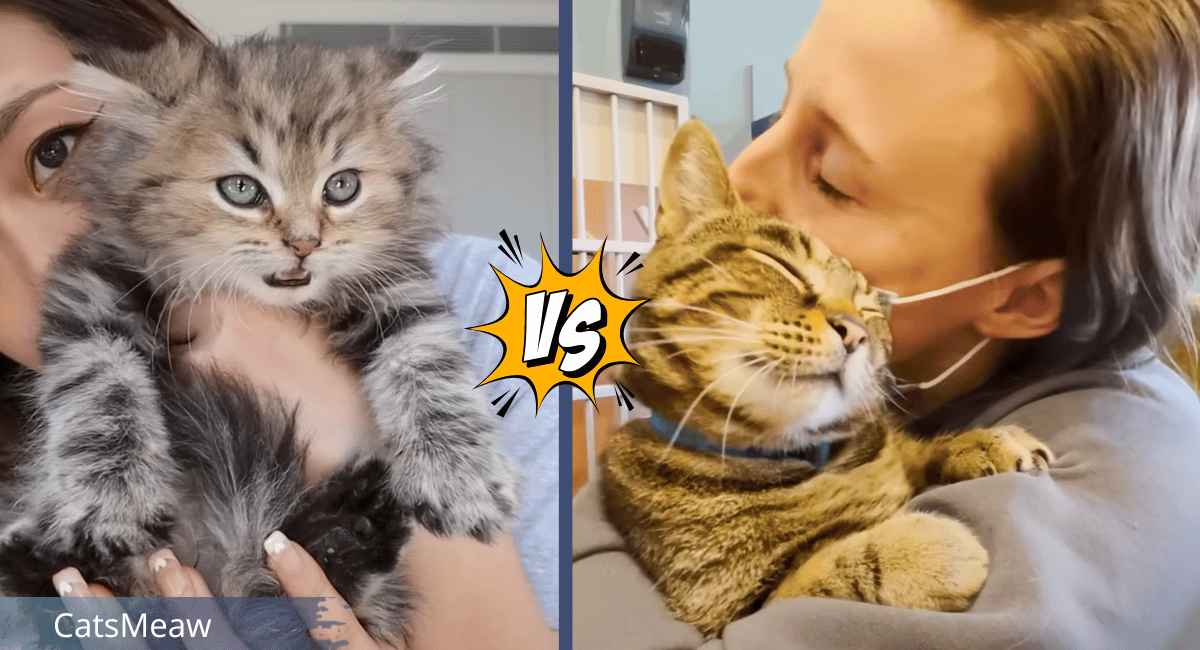
Adopting a senior cat means welcoming an adult cat, usually aged 7 or older, with a settled personality and an immediate need for a home. It matters most for first-time owners, busy households, and anyone who wants a calm companion without the chaos of kitten season.
This post may contain affiliate links. As an Amazon Associate I earn from qualifying purchases.
Table of Contents
Adopting a senior cat at a glance:
- Best For: Calm homes, first-time owners, families with children, and people who work long hours.
- Main Benefit: A known personality, so you can match temperament to your household before you commit.
- Main Cost: More frequent vet visits, often twice a year, and a higher chance of age-related conditions.
- Adjustment Time: Most seniors settle in within 2 to 4 weeks with a quiet room and a steady routine.
- Biggest Impact: Senior cats wait longest in shelters, so every adoption opens a space for another cat.
Why Adopting a Senior Cat Works So Well
Senior cats suit many homes because their energy, habits, and personality are already established. Shelter staff can usually tell you exactly how a senior cat behaves with strangers, children, and other pets.
- Predictable personality: A kitten’s adult temperament is a guess, while a 9-year-old cat shows you who she is right now.
- Calmer energy: Most seniors prefer a sunny window and a lap over climbing curtains at 3 a.m.
- Less destruction: Adult cats rarely chew cords or shred furniture the way teething kittens do, though they still scratch, so a sturdy sisal scratching post remains useful.
- Often trained already: Many seniors arrive litter-trained and used to household routines.
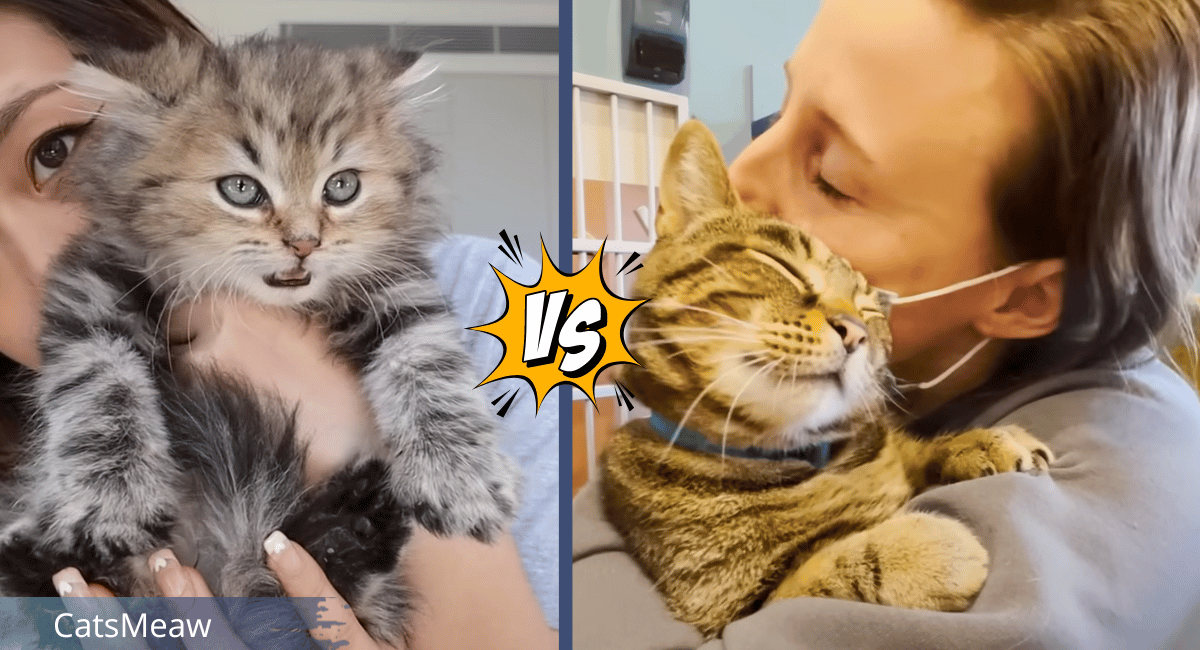
When I first met a 10-year-old tabby at a shelter, she simply climbed into my lap and stayed there. Kittens in the next room were bouncing off the walls, and that contrast sold me.
Health and Cost Considerations
Senior cats usually come spayed or neutered, vaccinated, and microchipped, which removes several early costs that kitten owners face. The tradeoff is a higher chance of chronic conditions, so plan for regular veterinary care.
Common age-related conditions to know about:
- Kidney disease, one of the most common illnesses in older cats
- Dental disease, which can cause pain, drooling, and weight loss
- Arthritis, which shows up as reluctance to jump or stiffness after naps
- Diabetes in cats and hypothyroid disease in cats
Ask the shelter for the cat’s full medical history and request a senior wellness exam within the first week. Bloodwork at that visit gives you a baseline for kidney, liver, and thyroid values. The Cornell Feline Health Center offers detailed guidance on caring for aging cats.
Regular veterinary check-ups for cats matter even more after age 10, because early detection makes most senior conditions far easier to manage.

How to Choose the Right Senior Cat
The right senior cat matches your daily life, not just your heart. Shelter staff and foster families know these cats well, so use their observations.
- Ask how the cat reacts to children, dogs, and other cats before you visit.
- Spend 20 to 30 minutes alone with the cat in a quiet room and watch her body language.
- Request the medical records, including past dental work, weight changes, and current medications.
- Check mobility by watching her walk, jump onto a chair, and use the litter box.
- Consider a bonded pair, since senior cats surrendered together often cope better when kept together.
If you already have a pet at home, read about introducing two cats and how long it takes cats to get along before bringing your new cat through the door.
Setting Up Your Home for an Older Cat
Older cats need easy access to food, water, rest, and the litter box, because stiff joints turn small obstacles into big problems. A few inexpensive changes make the first weeks smoother.
- Low-sided litter box: A low-entry litter box helps arthritic cats step in without pain.
- Soft bedding: A heated or orthopedic cat bed placed in a warm, quiet spot supports aching joints.
- Pet stairs: Cat steps or ramps let her reach the sofa or bed without jumping.
- Calming support: A cat calming diffuser can ease stress during the first two weeks.
- Safe room: Start her in one quiet room with food, water, and a litter box, then expand gradually.
Feed a high-quality senior or complete diet and check how much to feed a cat to avoid weight gain or loss. Sudden changes in appetite, water intake, or litter box habits deserve a vet visit.
Frequently Asked Questions
What age is considered a senior cat?
Cats are generally considered senior from about 11 years old, though many shelters and vets label cats aged 7 to 10 as mature. Cats over 15 are often called geriatric.
Is it better to adopt a kitten or a senior cat?
A senior cat is often better for calm homes and first-time owners, because her personality is already known. Kittens suit households with time for intensive training, play, and constant supervision.
How long do senior cats live after adoption?
Many senior cats live several more years after adoption, and well-cared-for cats often reach 15 to 20 years. Lifespan depends on genetics, diet, dental health, and early treatment of chronic conditions.
Do senior cats bond with new owners?
Yes, most senior cats bond with new owners, often within a few weeks. Signs include slow blinking, purring, following you from room to room, and choosing to sleep near you.
Adopting a senior cat gives you a calm, known companion and gives an overlooked cat a second chance. Plan a vet visit in week one, prepare a quiet room, and visit your local shelter this weekend to meet a few seniors.