


How Often Should You Clean a Cat Litter Box?
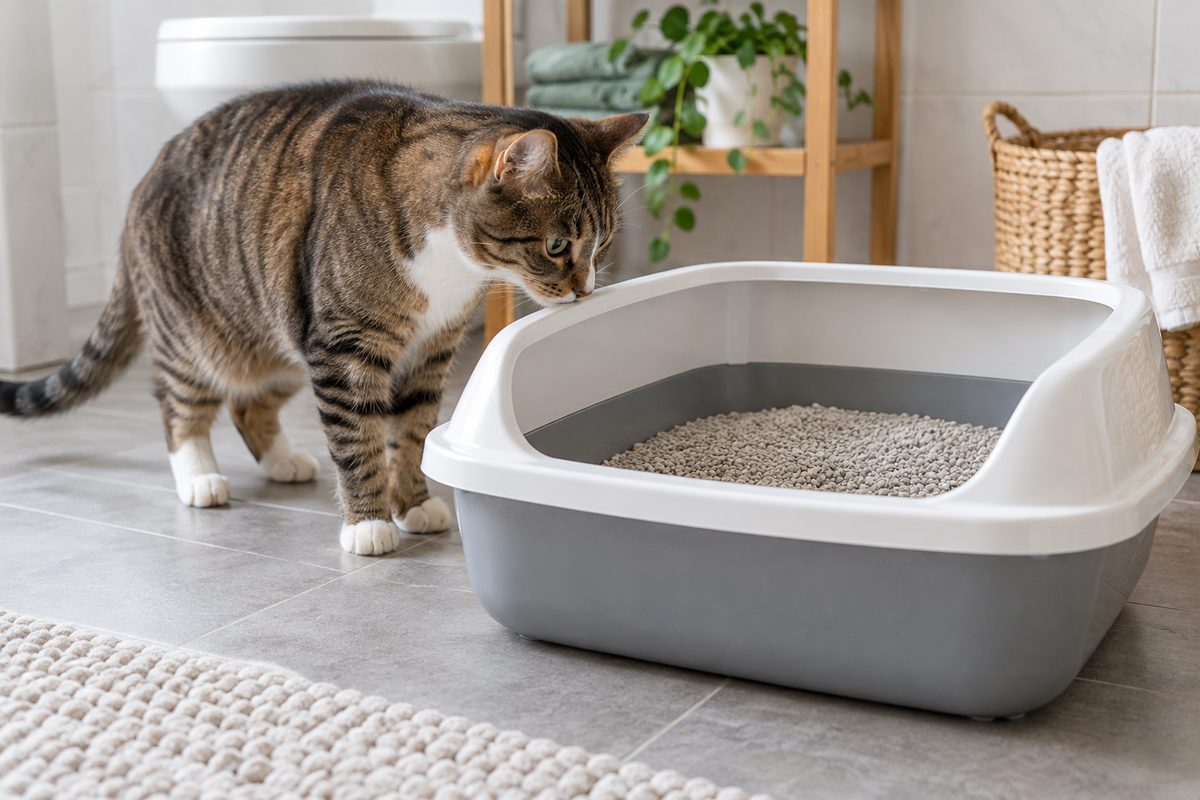
Daily scooping is essential for cat health and home hygiene. Most cat owners should scoop the litter box at least once per day, remove clumps and waste, and perform a full litter change weekly to prevent odor, bacteria buildup, and urinary tract infections.
This post may contain affiliate links. As an Amazon Associate I earn from qualifying purchases.
Table of Contents
Key Takeaways:
- Scoop solid waste and clumps daily to maintain hygiene and catch health issues early.
- Change litter completely once per week, or more often with multiple cats.
- Odor control and litter box location affect cleaning frequency and cat behavior.
- A clean box reduces stress and prevents litter box avoidance in cats.
Daily Scooping: Why It Matters
Scooping your cat’s litter box daily removes urine and feces before bacteria multiply and odor intensifies. A clean box signals to your cat that the toilet is fresh and safe, encouraging consistent use.
- Prevents ammonia buildup that can irritate respiratory tracts and cause urinary issues.
- Allows you to monitor your cat’s waste for signs of diarrhea, blood, or changes in urine color, which may indicate health problems like blood in urine or urinary tract infections.
- Reduces foul odors that spread through your home and discourage litter box visits.
- Takes only 5–10 minutes per box and prevents larger cleanups later.
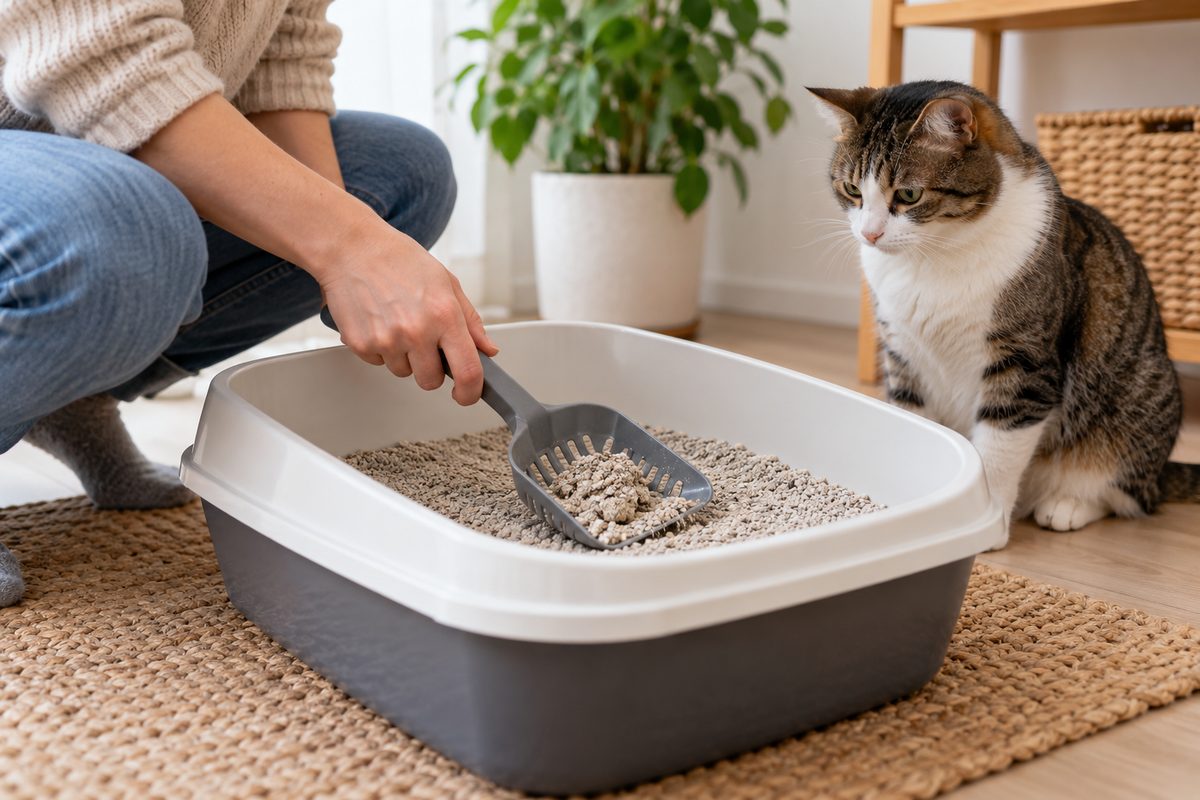
Use a scoop to remove clumps and solid waste, breaking apart clumps to ensure you catch all urine spots. Dispose of waste in a sealed garbage bag to contain odors.
Complete Litter Changes and Box Maintenance
Beyond daily scooping, change your cat’s litter completely once a week and wash the box with mild soap and water. This eliminates odors, bacteria, and parasites that scooping alone cannot remove.
- Empty all remaining litter into a lined trash can.
- Wipe the box interior with a damp cloth or mild detergent to remove urine residue.
- Dry the box thoroughly before adding fresh litter.
- Add 2–3 inches of clean litter, filling the box evenly.
Multiple cat households: If you have two or more cats, scoop twice daily and change litter twice per week or more often. Multiple cats produce more waste and ammonia, creating higher odor and hygiene demands.
Use unscented or lightly scented clumping cat litter to simplify cleanup and track urine clumps. Avoid heavily perfumed litters, which can mask health issues and irritate sensitive cats.
Litter Box Type and Cleaning Frequency
Different litter box styles require different cleaning approaches. Standard open boxes need daily scooping and weekly full changes, while covered boxes and automatic models have unique requirements.
- Open boxes: Scoop daily, change weekly.
- Covered boxes: Scoop daily, change weekly, and wash the lid and bottom weekly to reduce trapped odors.
- Automatic self-cleaning boxes: Remove waste from the collection tray daily and follow the manufacturer’s schedule for litter changes, typically every 1–2 weeks.
For any box type, use an enzyme-based litter box cleaner during weekly maintenance to break down urine odors at the source rather than masking them. This prevents cats from being attracted to soiled corners.
Choose a litter box size and style suited to your cat’s preferences to encourage regular use and reduce avoidance issues.
Signs Your Litter Box Needs More Frequent Cleaning
Some cats and households require more frequent litter box cleaning. Watch for these indicators and adjust your routine accordingly.
- Strong ammonia smell: Your cat is peeing more than usual or the box is too small for the waste produced. Increase scooping to twice daily.
- Visible clumps or wet spots after one day: Scoop more than once daily and consider using premium clumping litter that absorbs urine faster.
- Cat avoiding the box: A dirty or smelly litter box is the most common reason cats eliminate outside the box. Increase cleaning frequency to daily scooping and twice-weekly full changes.
- Multiple cats in a small space: Add a second litter box and follow the rule: one box per cat, plus one extra. Clean both daily.
- Senior cats or cats with health conditions: Older or ill cats may urinate or defecate more frequently. Scoop twice daily to keep their bathroom clean and monitor for changes in appetite or bathroom habits.
A clean litter box is one of the most effective ways to prevent stress-related behaviors and ensure your cat’s long-term wellness.
For more veterinary guidance, see the Cornell Feline Health Center.
Frequently Asked Questions
- Can you leave a cat litter box uncleaned for two days? No; leaving a litter box uncleaned for two days risks ammonia buildup, bacteria growth, and urinary tract problems. Daily scooping is the minimum standard for cat health and hygiene.
- Is it safe to use a litter box without changing litter for a month? Not safe; bacteria, parasites, and urine compounds accumulate over time and can cause respiratory irritation, infections, and litter box avoidance. Change litter completely at least once per week.
- How do I reduce litter box odor between daily scoops? Use odor control litter additives or baking soda sprinkled on the litter surface, ensure daily scooping removes all clumps, and keep the box in a well-ventilated area away from bedrooms and living spaces.
A clean litter box is the foundation of feline health and home comfort. Daily scooping and weekly litter changes take minimal time and prevent serious behavioral and medical issues. Stay consistent and monitor your cat’s habits to adjust cleaning frequency as needed.

