10 Best Hypoallergenic Cat Breeds for Happy Allergy Sufferers
Hypoallergenic cat breeds are cats that produce less of the Fel d 1 allergen or shed less allergen-carrying hair, so they often trigger milder reactions in allergic people. These breeds help most in families with mild to moderate cat allergies who want a cat without constant sneezing and itchy eyes.
This post may contain affiliate links. As an Amazon Associate I earn from qualifying purchases.
Table of Contents
Hypoallergenic cat breeds at a glance:
- Short Answer: No cat is 100% allergen-free, but some breeds cause noticeably fewer symptoms.
- Main Allergen: Fel d 1, a protein found in cat saliva and skin oils.
- Top Picks: Siberian, Balinese, Russian Blue, Devon Rex and Sphynx.
- Best Choice of Cat: A female or a neutered male, since both produce less Fel d 1 than intact males.
- Test First: Spend 1-2 hours with the specific cat before adopting.
Why Hypoallergenic Cat Breeds Cause Fewer Allergies
Every cat produces Fel d 1, so allergy relief comes from lower allergen output or less allergen spread. Hypoallergenic cat breeds tend to score well on one or both of these factors.
- Fel d 1 protein: Cats spread this allergen onto their coats while grooming, and dried flakes then float through the air.
- Sex and neutering: Intact males produce the most Fel d 1, while females and neutered males produce less.
- Coat type: Short, single or curly coats drop fewer allergen-coated hairs onto furniture and bedding.
- Individual variation: Two cats of the same breed can differ widely, so the specific cat matters more than the label.
The International Cat Care breed profiles are useful for comparing coat types and temperaments before you commit.
10 Best Hypoallergenic Cat Breeds Compared
The table below compares coat, lifespan and allergy advantage for the 10 hypoallergenic cat breeds most often recommended to allergy sufferers.
| Breed | Coat Type | Lifespan | Allergy Advantage |
|---|---|---|---|
| Siberian | Long triple coat | 11-15 years | Often reported lower Fel d 1 |
| Balinese | Long single coat | 15-20 years | Often reported lower Fel d 1 |
| Russian Blue | Short dense double coat | 15-20 years | Coat holds dander close to skin |
| Bengal | Short pelt-like coat | 12-16 years | Light shedding |
| Cornish Rex | Curly down coat only | 11-15 years | Very little shed hair |
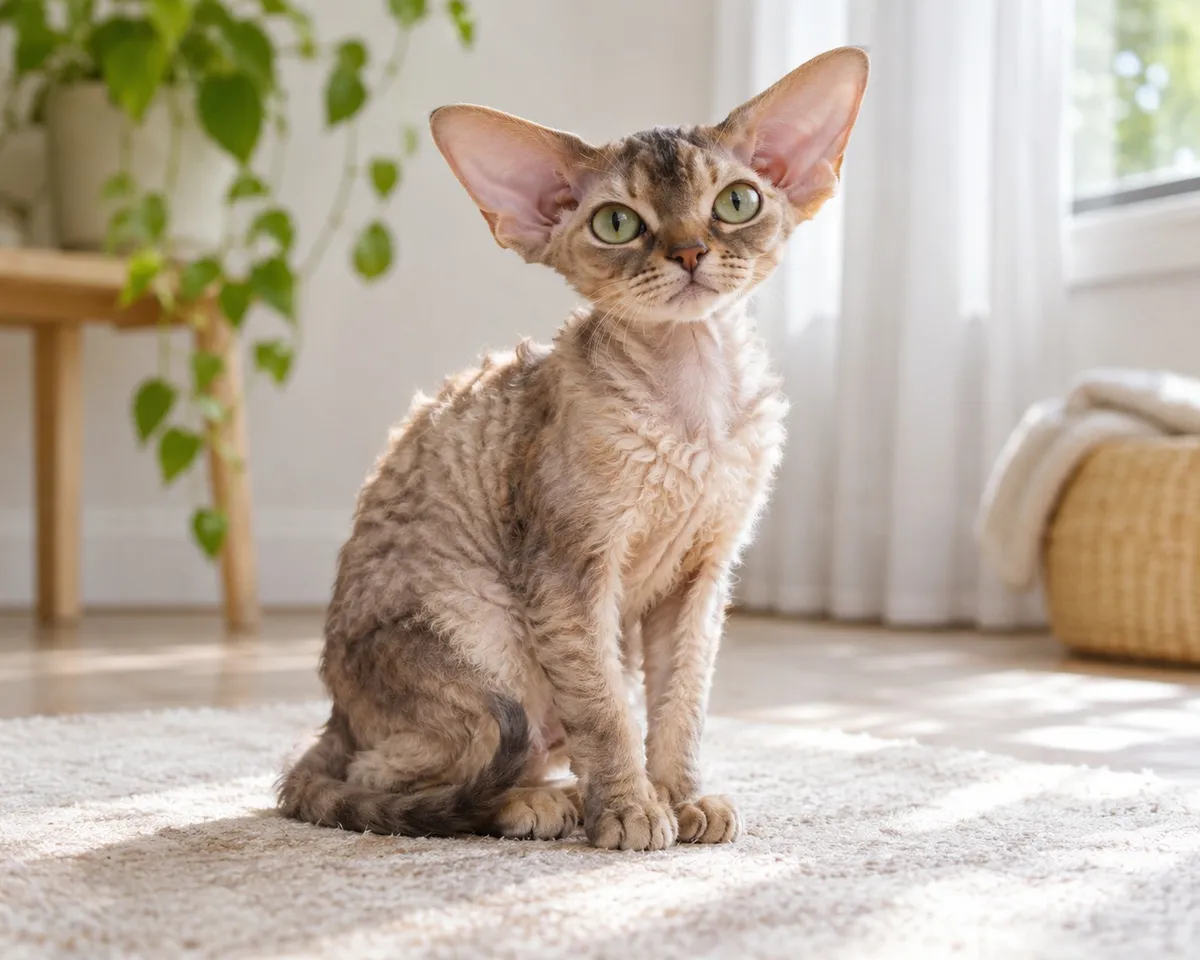
| Devon Rex | Short wavy coat | 9-15 years | Very little shed hair |
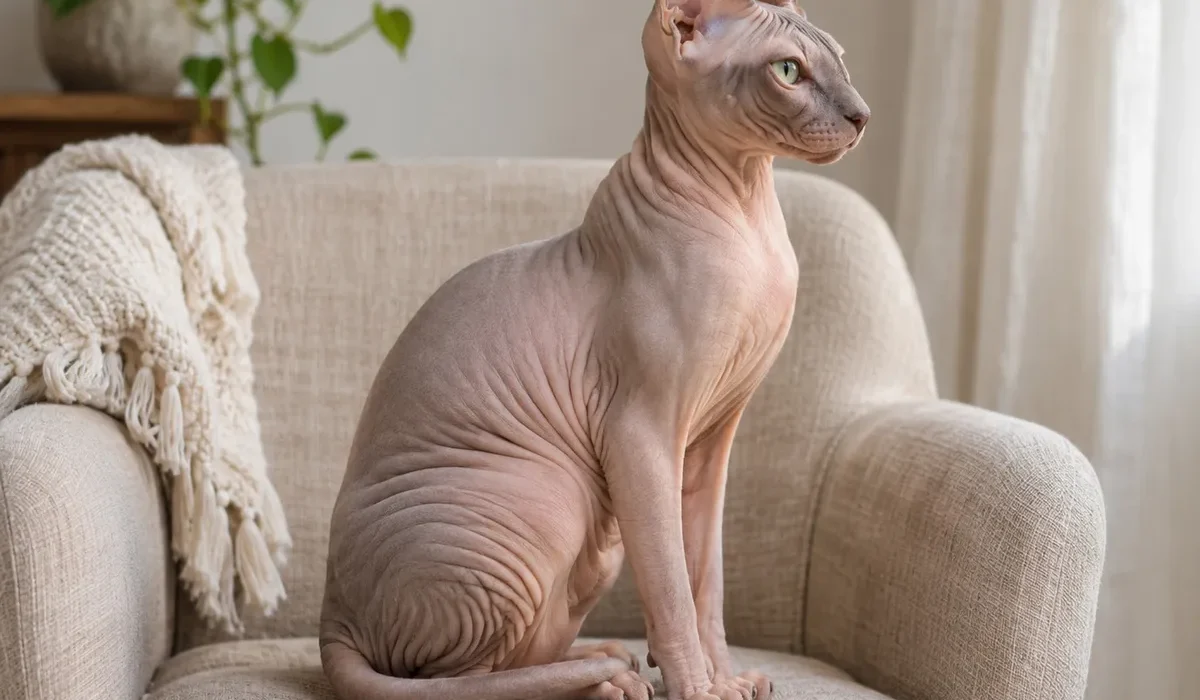
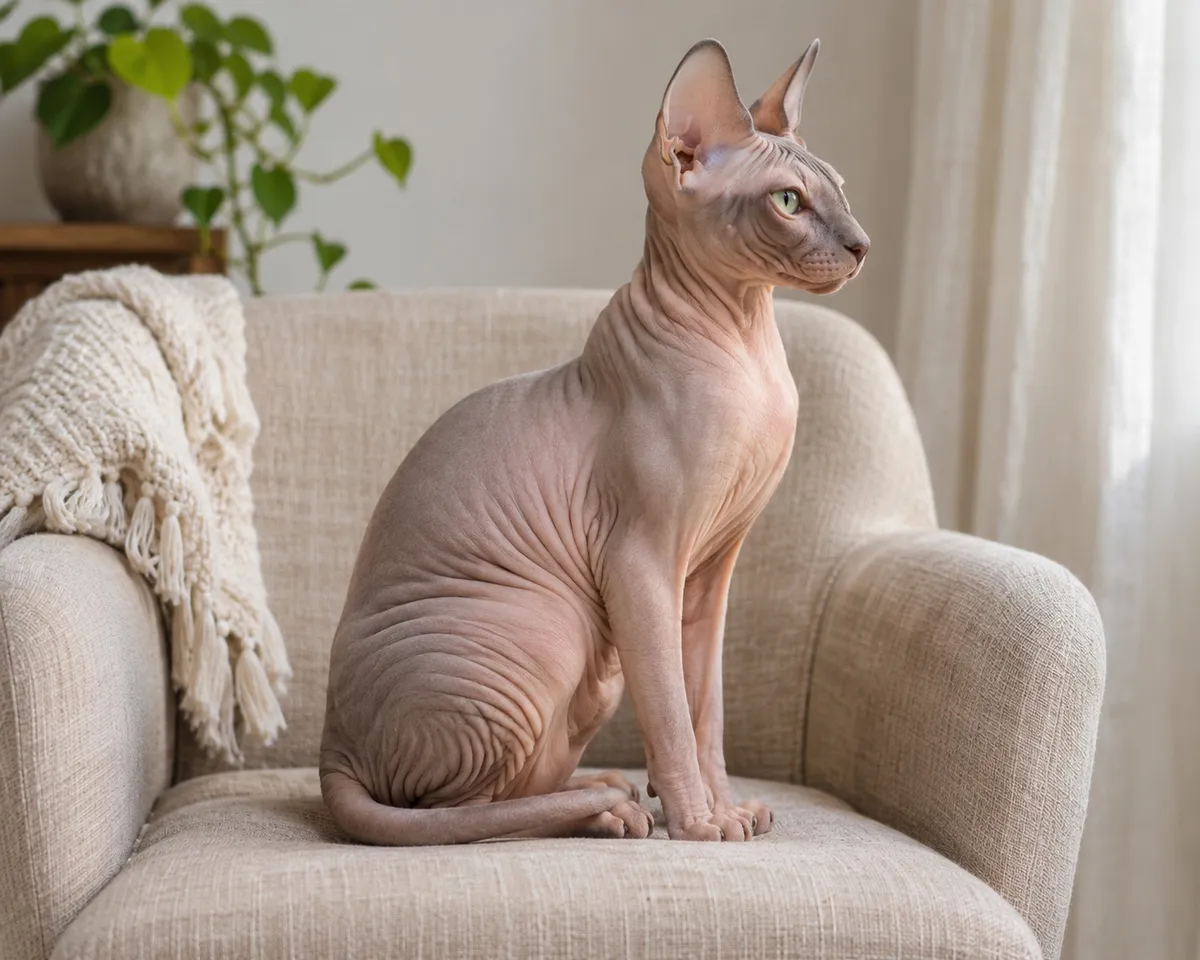
| Sphynx | Hairless | 8-14 years | No loose hair |
| Oriental Shorthair | Short fine coat | 12-15 years | Minimal shedding |
| Javanese | Medium single coat | 10-15 years | No undercoat |
| Siamese | Short close coat | 15-20 years | Light shedding |
Breed Care Notes for Low-Allergen Cats
Each low-allergen breed has care needs that affect both your allergies and the cat’s happiness.
- Siberian: Brush 2-3 times weekly during spring and fall molts, when the thick coat releases the most hair.
- Sphynx: Skin oils still carry Fel d 1, so our Sphynx cat care guide explains weekly bathing routines.
- Bengal: Bengals need 1-2 hours of active play daily, as our Bengal cat facts explain.
- Devon and Cornish Rex: Wipe oily ears weekly and keep these thin-coated cats warm in winter.
- Siamese family: Siamese, Balinese, Javanese and Orientals are vocal and social, so they dislike long hours alone.
How to Choose Among Hypoallergenic Cat Breeds
The best choice depends on your allergy severity, your lifestyle and the individual cat. When my sister adopted her Siberian, she visited three times before deciding.
- Get tested by an allergist to confirm that cats, not dust or pollen, cause your symptoms.
- Spend 1-2 hours handling adult cats at the breeder or shelter before adopting.
- Ask for a female or a neutered male to lower Fel d 1 exposure.
- Keep a cloth rubbed on the cat at home for 2-3 days to test your reaction.
- Match energy levels, since Bengals need active owners while Russian Blues suit quiet homes.
Our guide to the best cat breed to adopt compares temperaments across more popular breeds.
Cutting Cat Allergens at Home
Daily habits reduce airborne cat allergen with any breed, and they matter as much as breed choice.
- Run a HEPA air purifier in the bedroom, since HEPA filters trap fine dander particles.
- Feed an allergen-reducing cat food designed to neutralize Fel d 1 in saliva, and allow about 3 weeks for results.
- Keep cats out of the bedroom for 8 hours of lower exposure each night.
- Wash cat bedding and throws weekly in hot water.
- Bathing lowers coat allergen for only a few days, so learn to bathe a cat safely before trying it.
The ASPCA cat care guide covers grooming basics that limit loose hair. Ask your doctor about allergy meds for cat dander if symptoms persist, and seek prompt medical care for wheezing, chest tightness or shortness of breath.
Frequently Asked Questions
What is the most hypoallergenic cat breed?
The Siberian and Balinese are most often cited for lower Fel d 1 levels. The Sphynx, Devon Rex and Cornish Rex shed the least hair.
Are hypoallergenic cat breeds really allergy-free?
No, all cats produce the Fel d 1 allergen. These breeds simply cause milder reactions in many allergic people.
Do female cats cause fewer allergies than male cats?
Yes, female cats and neutered males produce less Fel d 1 than intact males. Neutering a male cat lowers his allergen output.
Can you build up a tolerance to cat allergies?
Some people notice milder symptoms after months of living with a cat, but many do not. Allergen immunotherapy from an allergist is the proven option for lasting tolerance.
How long do cat allergens stay in a house?
Cat allergens can linger in carpets, furniture and dust for up to 6 months after a cat leaves. Deep cleaning and HEPA filtration shorten that time.
Hypoallergenic cat breeds like the Siberian, Balinese and Devon Rex make cat ownership realistic for many allergy sufferers, even though no cat is fully allergen-free. Choose a female or neutered male, test your reaction in person for 1-2 hours, and keep a weekly cleaning routine. Book an allergy test before your first breeder visit.