
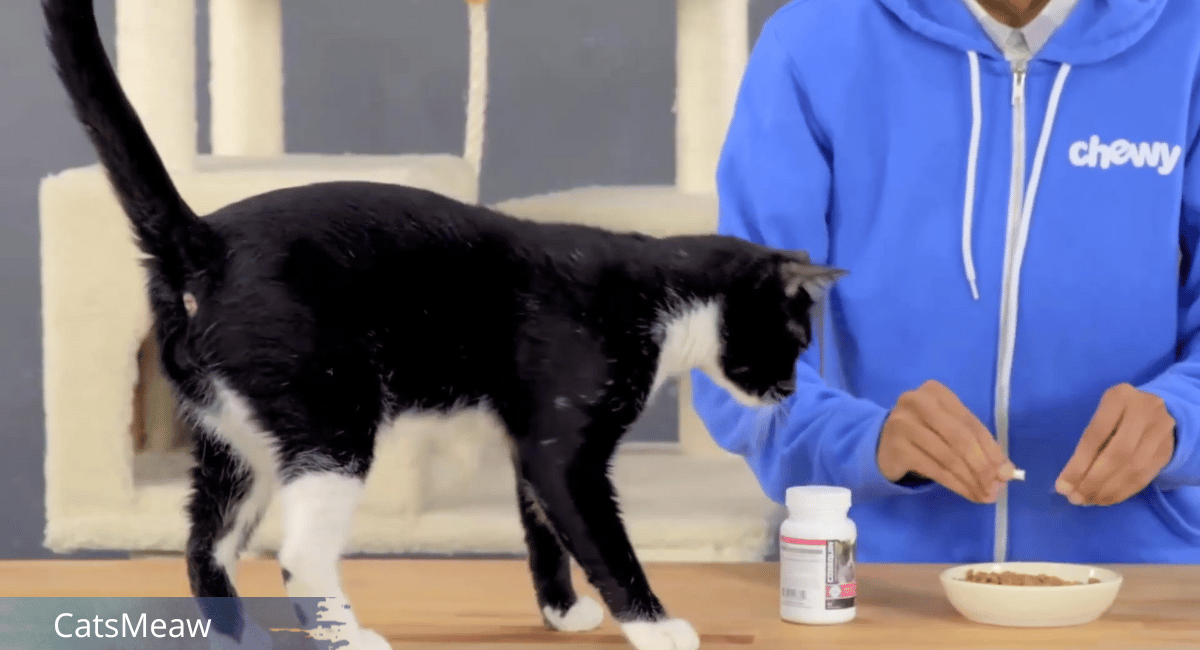
Cat Supplements: What Helps, What Doesn’t, and Which to Use
Cat supplements are concentrated nutrients added to a diet to fill specific gaps or support a health problem, and most healthy cats on complete commercial food do not need them. They matter most for seniors, cats with joint, skin, digestive or urinary problems, and cats on homemade or restricted diets.
This post may contain affiliate links. As an Amazon Associate I earn from qualifying purchases.
Table of Contents
Cat supplements at a glance:
- Short Answer: Complete and balanced cat food already meets daily nutrient needs, so supplements only help when a specific need exists.
- Most Useful Types: Omega-3 fatty acids, probiotics, joint support (glucosamine and chondroitin), and urinary support.
- Biggest Risk: Too much of a fat-soluble vitamin such as A or D can build up and cause toxicity.
- Before You Start: Ask your veterinarian first, especially if your cat takes medication or has kidney disease.
- Quality Marker: Choose products made for cats, with a clear ingredient list and no artificial fillers.
Do Cats Actually Need Supplements?
Most adult cats eating a complete and balanced diet do not need extra vitamins or minerals. Food labeled “complete and balanced” is formulated to meet all essential nutrient needs.
Supplements make sense in a few situations:
- Senior cats with stiff joints or reduced mobility.
- Cats with dull coats, dry skin or allergies.
- Cats recovering from antibiotics or with chronic loose stools.
- Cats with a history of urinary problems.
- Cats eating homemade or restricted diets, which often lack taurine, calcium or vitamins.
Cats are obligate carnivores, so they need nutrients plants cannot supply, such as taurine and preformed vitamin A. A diet missing these shows up as eye, heart or coat problems over months.
Main Types of Cat Supplements
The most useful cat supplements target one clear job: skin, joints, digestion, urinary health or general nutrition. Here are the main types and what each does.
Omega-3 Fatty Acids
Fish-derived EPA and DHA support skin, coat and joint comfort through their anti-inflammatory effect. Many cats with itchy skin or dull fur improve after 6 to 8 weeks. A liquid or capsule omega-3 fatty acids product made for cats is the safest choice, since fish oil made for humans can contain doses that suit people, not cats.
Probiotics
Probiotics add beneficial gut bacteria and help restore balance after antibiotics, stress or a diet change. They often firm up loose stools within several days. A powder that mixes into food is the easiest format for most cats.
Joint Support
Glucosamine and chondroitin support cartilage and may ease stiffness in older cats. Roughly 60 percent or more of cats over age 12 show some degree of arthritis on X-rays. Signs include reluctance to jump, missed litter box trips and less grooming.
Multivitamins
A cat-specific multivitamins product can help cats on homemade diets or those with poor appetite. Healthy cats on commercial food rarely need one. See our guide to homemade cat food recipes for how to balance a home-prepared diet.
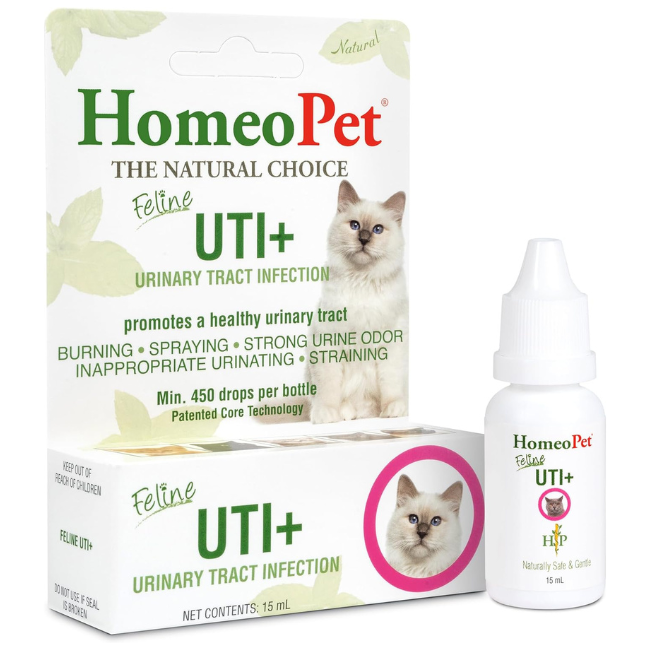
Urinary Support
Cranberry extract, glucosamine and certain amino acids are sold to support the bladder. Evidence is limited, and a urinary problem needs a diagnosis first. Cats straining in the litter box may have a blockage, which is an emergency.
Best Cat Supplements by Health Concern
The best cat supplements match one specific concern rather than promising everything at once. Use this as a starting point and confirm with your vet.
- Dull coat or itchy skin: omega-3 fatty acids, plus a check for food or flea allergies. Our guide to allergies in cats covers triggers.
- Stiff joints in seniors: glucosamine and chondroitin with omega-3s.
- Digestive upset: probiotics. For ongoing trouble, read about cat vomiting and diarrhea.
- Poor appetite or recovery: a cat-specific multivitamin.
- Urinary history: veterinary urinary diets and support products, plus more water intake.
For a broad starting option, many owners choose a general essential vitamins formula, while others pick targeted cat supplements for one concern. Either way, one product at a time makes it easier to see what works.
How to Choose a Safe Supplement
A safe cat supplement is made for cats, lists every ingredient with amounts, and comes from a company that tests its products. Check these points before buying:
- Confirm the label says it is formulated for cats, not dogs or people.
- Look for named active ingredients with amounts per serving.
- Avoid artificial colors, sweeteners and unnecessary fillers.
- Skip anything containing xylitol, garlic or onion, which are toxic to cats. Our list of dangerous foods for cats explains why.
- Check for a lot number and manufacturer contact details.
The ASPCA Animal Poison Control Center notes that human products can be dangerous for pets, so never substitute your own vitamins. Always share the product with your veterinarian before starting it.
How to Introduce Supplements to Your Cat
Start slowly and give one new product at a time. A gradual start helps you spot side effects and avoids food refusal.
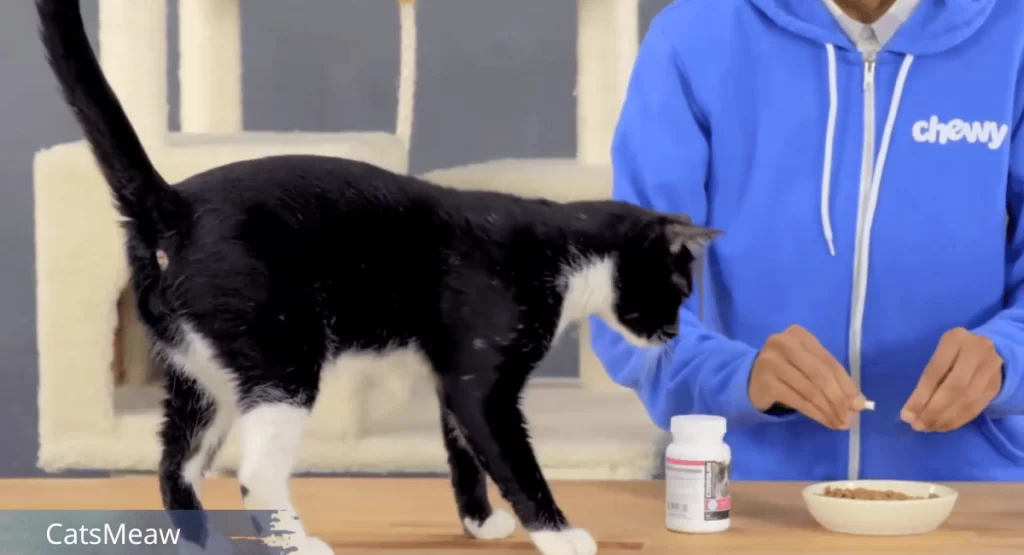
- Begin with a quarter of the label amount mixed into a small portion of food.
- Use a strongly flavored favorite wet food to mask taste and smell.
- Increase to the full label amount over 5 to 7 days.
- Watch for vomiting, loose stools, itching or appetite changes.
- Stop and call your vet if any symptom appears.
When my own cat turned his nose up at a powder, switching to a liquid mixed into a spoonful of pate solved it within two days. Never force a supplement by hand, because stress can make cats avoid their food bowl altogether. Some owners compare several Cat Supplements and cat supplements formats, such as chews, powders and liquids, to find the one their cat accepts.
When to See a Vet
See a veterinarian before starting any supplement, and urgently if your cat shows warning signs. Supplements never replace diagnosis or treatment, so persistent symptoms need a professional exam.
- Straining to urinate, crying in the litter box or producing no urine, which is an emergency.
- Not eating for more than 24 hours.
- Repeated vomiting or diarrhea lasting over 48 hours.
- Sudden weight loss, increased thirst or lethargy.
- Any reaction after starting a new product.
Regular checkups help catch problems early, and our piece on regular veterinary check-ups for cats explains how often to go. The Cornell Feline Health Center also offers reliable guidance on feline nutrition.
Frequently Asked Questions
Are cat supplements safe?
Cat supplements are generally safe when made for cats and given at label amounts. Overdosing fat-soluble vitamins A and D can cause toxicity, so check with your vet first.
What is the best supplement for a cat’s coat?
Omega-3 fatty acids from fish oil are the most widely used for coat and skin. Most cats show a softer, shinier coat after 6 to 8 weeks of steady use.
Can I give my cat human vitamins?
No, human vitamins are not safe for cats. They often contain doses, additives or ingredients such as xylitol that can poison cats.
How long do supplements take to work?
Most supplements take 4 to 8 weeks to show visible results. Probiotics can improve stool quality within a few days, while joint products usually need 4 to 6 weeks.
Choosing the right cat supplements comes down to matching one product to one real need and confirming it with your vet. Start by asking your veterinarian about your cat’s diet, then add a single supplement and track the results for 6 to 8 weeks.