
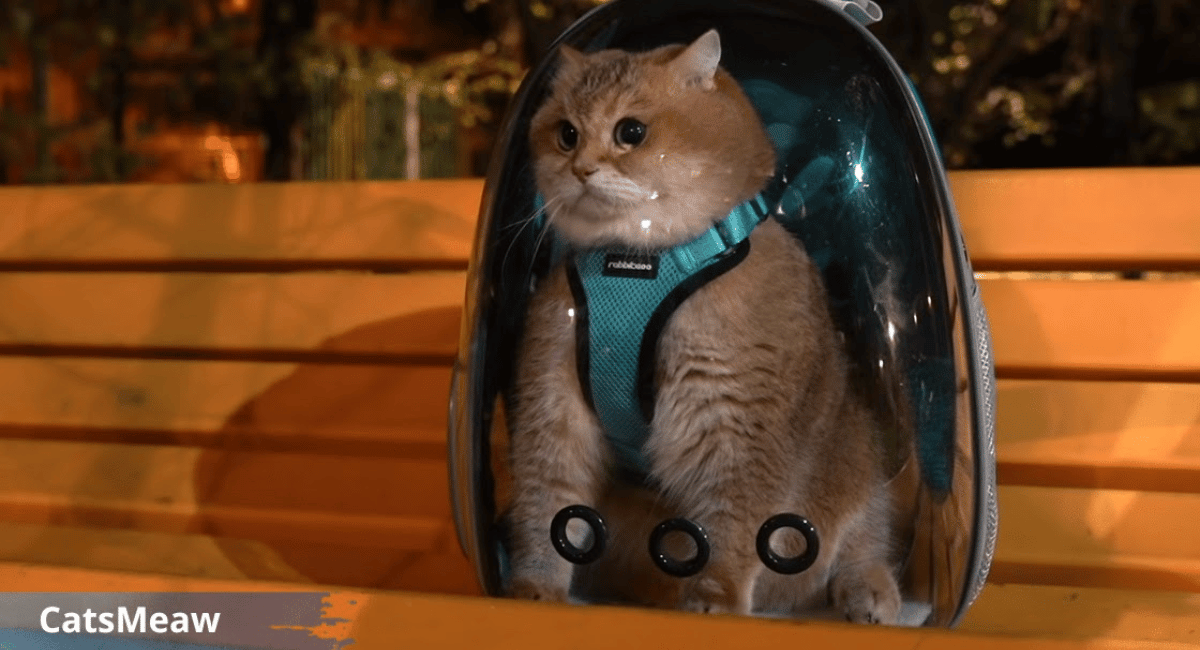
Cat Backpack Guide: 5 Features That Matter Most
A cat backpack is a carrier worn on your back that keeps a cat secure, ventilated, and calm during short trips, vet visits, and travel. Choosing the perfect cat backpack matters most for owners who walk, commute, or fly with a cat that dislikes traditional top-loading carriers.
This post may contain affiliate links. As an Amazon Associate I earn from qualifying purchases.
Table of Contents
Cat backpack at a glance:
- Best For: Short trips, vet visits, public transport, and hands-free travel with a calm to moderately nervous cat.
- Key Feature to Look For: Mesh ventilation on at least two sides, a firm base, and an internal safety clip.
- Right Fit: Your cat should stand, turn around, and lie down without touching the walls.
- What to Avoid: Thin, floppy floors, single zippers with no lock, and bubble windows with poor airflow.
- When Not to Use: Long outdoor hikes in heat or with cats that panic when enclosed.
What to Look For in a Cat Backpack
The best cat backpack combines airflow, structural support, and secure closures. These four features separate a safe carrier from a stressful one.
- Ventilation: Look for mesh panels on at least two sides so air moves through the bag. Cats overheat quickly in sealed spaces, especially in summer.
- Rigid base: A firm, non-slip floor keeps the bag from sagging under your cat’s weight. A saggy base makes cats feel unstable and more likely to scramble.
- Locking zippers: Dual zippers with a small lock or clip stop determined cats from pushing their way out.
- Internal safety tether: A short clip attaches to your cat’s harness so the cat cannot bolt when you open the bag.
Padded shoulder straps and a chest strap also matter. They spread a 10 to 15 pound load across your shoulders instead of your lower back.
Choosing the Perfect Cat Backpack by Size and Cat Type
The perfect cat backpack fits your cat’s body length and weight with room to shift position. Measure your cat from nose to base of tail, then add 3 to 4 inches.
- Kittens under 6 months: They are small enough for compact bags but outgrow them in weeks. Pick an adjustable interior if you plan to keep using it.
- Average adult cats (8 to 12 pounds): A bag with an interior about 16 to 18 inches long usually works.
- Large breeds such as Maine Coons: Choose a bag rated for 18 pounds or more, with reinforced straps and a wider base.
- Senior cats: Choose a top or wide side entry so stiff joints are not strained during loading.
Check the manufacturer’s weight limit, not just the dimensions. A bag rated for 15 pounds should hold your cat plus a small blanket without strain.
Best Cat Carrier Backpacks Compared by Style
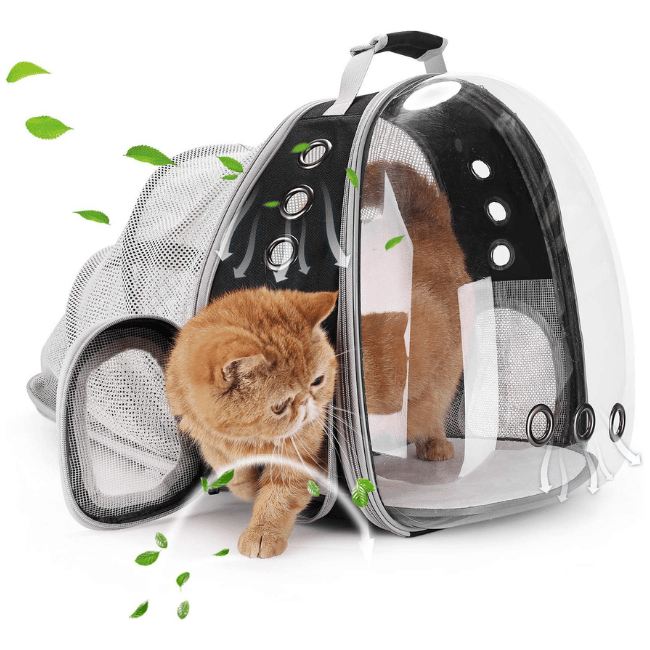
Most cat carrier backpacks fall into three styles. Each suits a different cat and travel pattern.
Bubble Window Backpacks
A clear dome lets curious cats see the world. Cats that enjoy watching birds and people often relax in these. Make sure the bubble has side vents, because a closed acrylic dome traps heat in the sun. Browse cat backpacks with ventilated domes if your cat is the curious type.
Soft Mesh Backpacks
Lightweight mesh designs breathe well and fold flat for storage. They suit short walks and warm weather. They offer less privacy, so shy cats may feel exposed.
Structured Padded Carriers
These have thick walls, firm bases, and zippered privacy flaps. They work for vet visits, commutes, and flights because they hold shape under an airline seat. A well-reviewed set of cat carrier backpacks with padded straps is a sensible starting point for most owners. Another option worth checking is this product if you want an alternative layout.
For anxious travelers, compare options in our guide to the best cat carrier for nervous cats. If you fly, read the checklist for flying with cats before you buy, since airlines set strict under-seat size limits.
How to Introduce Your Cat to a Backpack
Cats accept a new backpack faster when it feels like a safe room, not a trap. Most cats need one to two weeks of gradual training.
- Leave the open backpack on the floor for several days with a worn T-shirt inside.
- Place treats and a favorite toy inside so your cat associates the bag with rewards.
- Close the zipper for 10 to 30 seconds while your cat is inside, then reward calm behavior.
- Lift the bag briefly, then set it down and reward again.
- Carry the bag around the house for a few minutes, then increase the time.
- Take a short outdoor trip, such as to the car and back, before a real journey.
When my cat first met her backpack, she ignored it for three days and then napped inside it uninvited. Letting the cat decide the pace made all the difference. A pheromone cat calming spray on the bedding can help hesitant cats settle.
If your cat hides when the bag appears, read why cats suddenly hide to rule out stress or illness first.
Safety Tips and When a Backpack Is Not Suitable
A cat backpack is a transport tool, not a place for hours of confinement. Follow these rules to protect your cat’s health and comfort.
- Limit trips to a few hours and offer water at stops.
- Never leave a cat in a backpack in a parked car or direct sun.
- Keep the pack upright and avoid jostling movements.
- Use a snug harness inside the bag so your cat cannot slip out.
- Skip the backpack for cats with breathing problems, recent surgery, or severe motion sickness.
Ask your veterinarian before travel if your cat has a heart, respiratory, or joint condition. Routine checkups, covered in our guide to regular veterinary check-ups for cats, help you confirm your cat is fit for travel. For more on safe travel and handling, see the guidance from International Cat Care.
Frequently Asked Questions
Are cat backpacks safe for cats?
Yes, cat backpacks are safe when they have ventilation, a rigid base, locking zippers, and an internal harness tether. Limit use to short trips and never leave the bag in a hot car.
How do I know what size cat backpack to buy?
Measure your cat from nose to tail base and add 3 to 4 inches for length. Check that the manufacturer’s weight limit exceeds your cat’s weight by at least 2 to 3 pounds.
Can I take a cat backpack on an airplane?
Many airlines allow soft-sided carriers under the seat if they stay within size limits, often around 18 by 11 by 11 inches. Always confirm dimensions and fees with your airline before booking.
How long can a cat stay in a backpack?
Most cats tolerate 2 to 4 hours with breaks for water and a quiet stretch. Longer trips need planned stops and a carrier your cat has already learned to rest in.
The right cat backpack gives your cat airflow, a stable floor, and secure closures while keeping your hands free. Measure your cat first, start with a short training week, and take a short test trip before any long journey.