
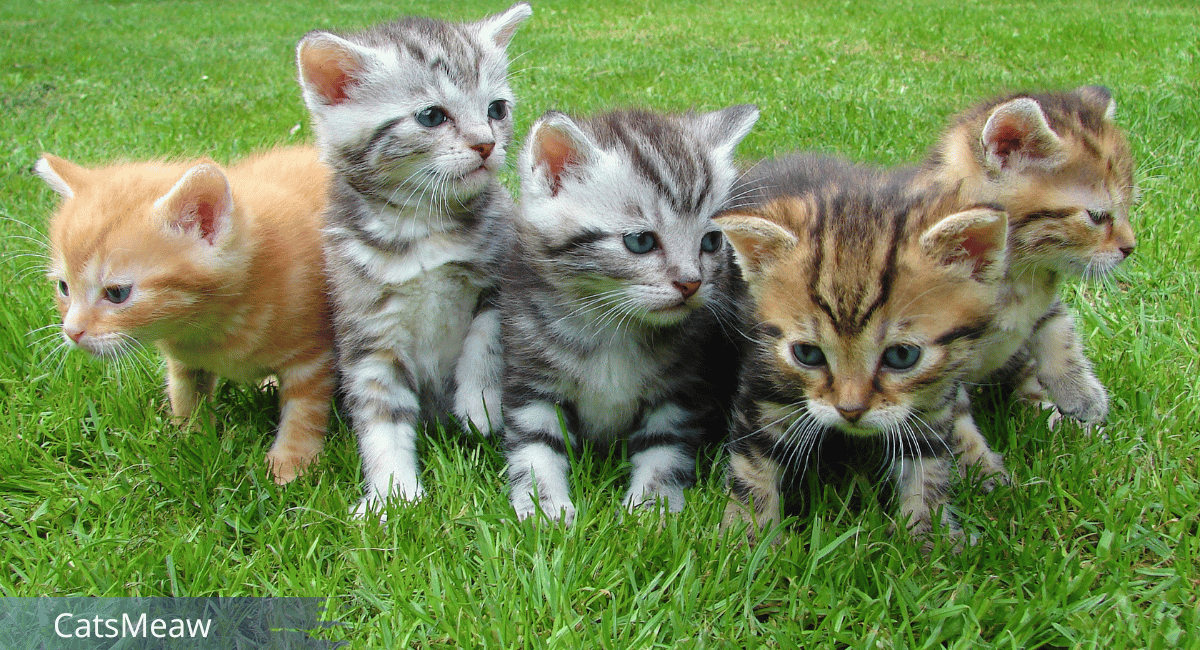
When Kittens Leave Their Mom: Ideal Age Is 12 Weeks
Kittens leave their mom safely at 12 weeks of age, though 8 weeks is the absolute minimum. Staying with the queen and littermates that long builds immunity, social skills, and confidence. This matters for breeders, shelters, and anyone adopting a kitten.
This post may contain affiliate links. As an Amazon Associate I earn from qualifying purchases.
Table of Contents
When kittens leave their mom at a glance:
- Short Answer: Ideal at 12 weeks, never before 8 weeks.
- Why Wait: The queen teaches grooming, litter use, play control, and social manners.
- Readiness Signs: Eating solid food, using the litter box, grooming, healthy weight, and playful.
- Risk of Leaving Early: Fear, aggression, litter box trouble, and weaker health.
- Exceptions: Orphaned, sick, or rejected kittens need a vet and a foster plan.
The Ideal Age When Kittens Leave Their Mom
Most feline experts recommend that kittens stay with their mother until 12 weeks old. In the wild, kittens usually remain with the queen for 12 weeks or longer.
Many shelters rehome kittens at 8 weeks to save resources and free up space for other cats. At that age most kittens have stopped nursing and eat solid food. Some are still not ready, though.
- 8 weeks: The earliest acceptable age, only for kittens that are healthy and well socialized.
- 10 weeks: A good compromise when the kitten is confident and eating well.
- 12 weeks: The best age, with 3 to 4 extra weeks of learning from mom and littermates.
Kittens that seem shy or small at 8 weeks gain a lot from those extra weeks. If you are adopting, adopting a cat or kitten takes more planning than most people expect.
What Kittens Learn From the Queen
Beyond nursing, the queen is a full-time teacher during weeks 2 to 10. Veterinary groups such as the AAHA and AAFP note that kittens learn many life skills in this window.
Skills kittens pick up from mom and littermates:
- Accepting solid food and weaning off milk
- Self-grooming and keeping their coat clean
- Using the litter box and burying waste
- Hunting and pouncing instincts
- Bite control and healthy fear responses
- Getting along with other cats and, later, people
The queen also provides warmth, because newborn kittens cannot regulate their own body temperature. Her milk delivers antibodies that protect kittens from infections during the first weeks.
Developmental Stages in Brief
- 0 to 4 weeks: Kittens depend entirely on mom for milk, warmth, and cleaning.
- 4 to 8 weeks: Weaning starts, kittens try solid food, and play with littermates begins.
- 8 to 12 weeks: Social skills, coordination, and confidence mature quickly.
For feeding details at this stage, see our guide on wet cat food for kittens and the care tips for six week old kittens.
Signs Kittens Are Ready to Leave Their Mom
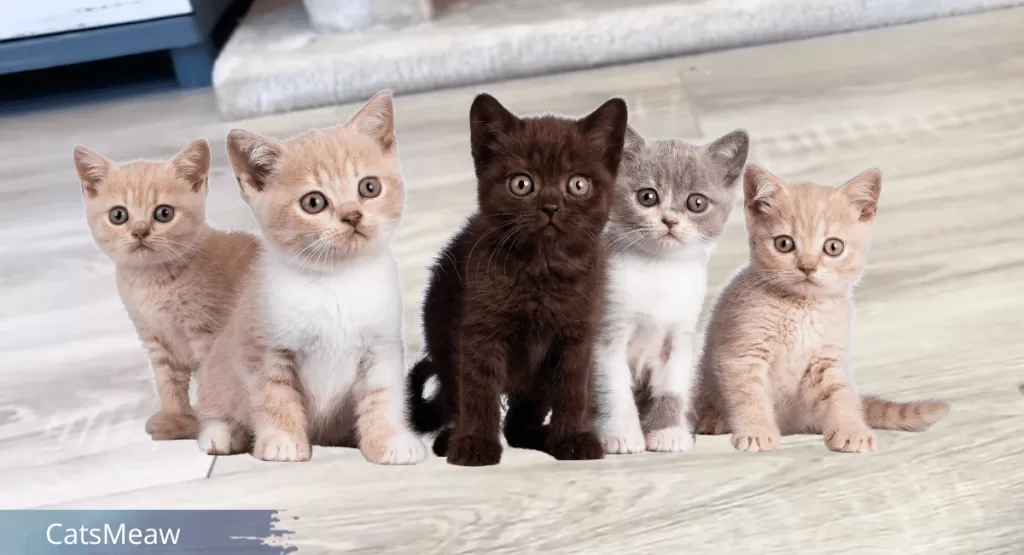
A kitten is ready when it meets every item on a simple checklist, not just when it reaches a certain age. Check these signs before any move or adoption.
- The kitten is healthy and at a weight that suits its age.
- It eats solid food, wet or dry, without needing the queen’s milk.
- It is active, playful, and curious about its surroundings.
- It uses the litter box reliably.
- It grooms itself.
If any answer is no, let the kitten stay with its mother and littermates a few more weeks. When my own foster kitten was still timid at 9 weeks, the extra time with her mom made the move to a new home far smoother.
Risks of Separating Kittens From Their Mom Too Early
Kittens separated before 8 weeks face higher health and behavior risks that can last into adulthood. The causes include owner unawareness, illness or injury, or the mother’s death.
Health and development problems:
- Weaker immunity, since queen’s milk supplies protective antibodies
- Slower growth and a higher chance of infections
Behavior problems:
- Fear and anxiety around people, animals, and new places
- Aggression, often from poor bite control learned in littermate play
- Trouble with self-grooming, litter box use, and burying waste
Early separation can also make it harder for kittens to adjust to new owners. Our guide to causes of aggression in cats explains how fear can turn into aggressive behavior.
Preparing Kittens for the Move and Special Cases
Gradual preparation makes the move to a new home easier on kittens and on the queen. Start weaning around 4 weeks and offer small amounts of wet food several times a day.
- Let kittens visit the new home early if possible, or send a blanket carrying the family scent.
- Keep the diet the same for the first week, then change slowly.
- Book a first vet visit for vaccines and a health check, and stock up on Cat Health Supplies.
Orphaned or rejected kittens: A kitten without a mother needs warmth, round-the-clock feeding, and a vet exam, as covered in bottle feeding a kitten. Fostering experienced kittens alongside others helps socialization, and how to foster kittens walks through the process.
For general medical guidance on early kitten care, the American Veterinary Medical Association offers reliable resources, and a veterinarian should guide any decision about an unusually young or sick kitten.
Frequently Asked Questions
What is the earliest age kittens can leave their mom?
Kittens should not leave their mom before 8 weeks of age. Even then, they must eat solid food, use the litter box, and be healthy.
Can kittens leave their mom at 6 weeks?
No, 6 weeks is too early because kittens are still weaning and learning social skills. Leaving at this age raises the risk of illness, fear, and litter box or aggression problems.
Is 12 weeks too long to keep kittens with their mom?
No, 12 weeks is considered the ideal age. Staying until then gives kittens 3 to 4 more weeks to build health, confidence, and manners.
How do I know if my kitten is ready to leave its mother?
A kitten is ready when it eats solid food, uses the litter box, grooms itself, plays actively, and holds a healthy weight. If any of these is missing, wait a few more weeks.
The best age for kittens to leave their mom is 12 weeks, with 8 weeks as the minimum. Use the readiness checklist rather than the calendar alone, and ask your vet before moving any kitten that seems small or shy.