
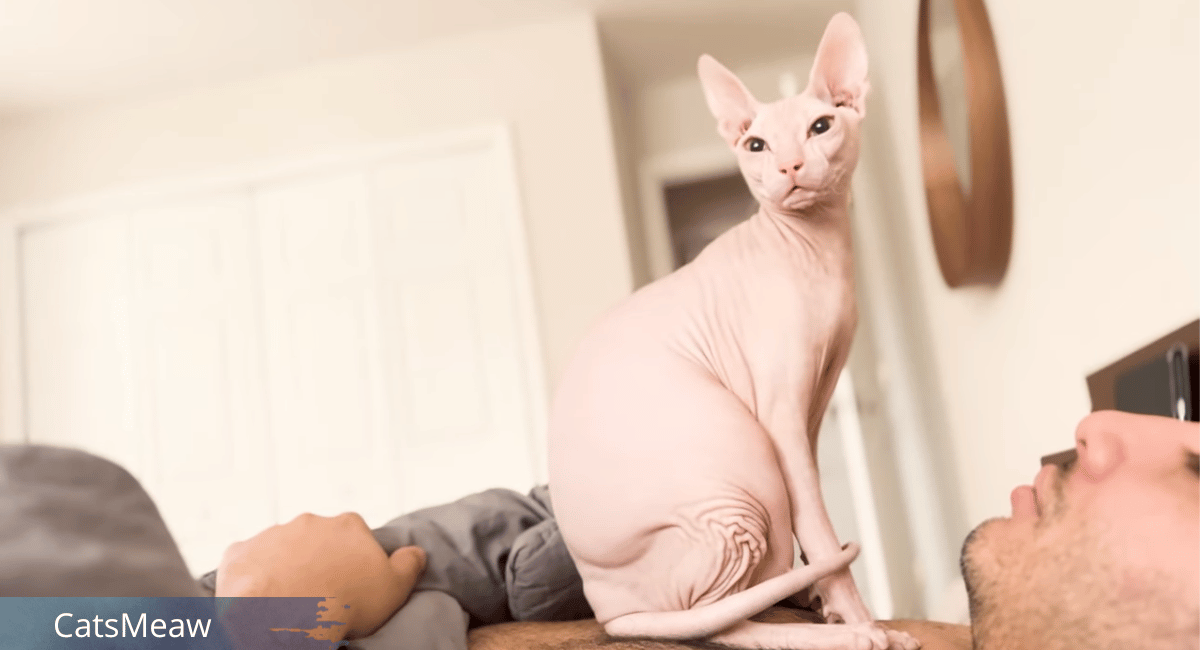
Sphynx Cat Care: 7 Essentials for a Healthy Hairless Cat
Sphynx cat care centers on weekly skin cleaning, warmth, sun protection, and a calorie-rich diet, because hairless cats cannot manage oil and body heat on their own. It matters most for new owners, since a Sphynx left unbathed or cold quickly develops greasy skin, blackheads, and stress.
This post may contain affiliate links. As an Amazon Associate I earn from qualifying purchases.
Table of Contents
Sphynx cat care at a glance:
- Short Answer: Bathe every 1 to 4 weeks, keep the home warm, and clean the ears weekly.
- Main Skin Issue: Body oil (sebum) builds up with no fur to absorb it, causing greasy skin and acne.
- Temperature: Keep indoor temperatures around 72 to 78°F (22 to 26°C), with warm bedding available.
- Diet: High-protein food in slightly larger portions, since Sphynx cats burn more energy staying warm.
- When to See a Vet: Rashes, scabs, breathing changes, or low energy need a veterinary exam.
Why Sphynx Cat Care Is Different
Sphynx cats are not truly bald, and their care differs from other breeds because the skin does all the work that fur normally does. The breed originated in Canada in the 1960s from a natural genetic mutation.
- Oil buildup: Fur normally absorbs skin oil. Without it, oil collects on the skin and leaves brown residue on furniture and bedding.
- Heat loss: Hairless skin loses warmth quickly, so Sphynx cats seek sunny spots, laps, and blankets.
- Sun sensitivity: Exposed skin can sunburn through a window, just like human skin.
- High appetite: A faster energy burn means many Sphynx cats eat more than furred cats of the same size.
When I first met a Sphynx, I was surprised by how warm and suede-like the skin felt, and how quickly it left a greasy mark on a light sofa cover.
Sphynx Cat Grooming and Bathing
Most Sphynx cats need a bath every 1 to 4 weeks, depending on how oily their skin gets. Kittens that start young usually accept the routine much more easily.
How to bathe a Sphynx cat:
- Trim the claws first so scratches do not irritate the skin.
- Fill a sink or tub with 2 to 3 inches of warm water, not hot.
- Wash with a gentle, cat-safe shampoo, working over folds around the neck, armpits, and belly.
- Rinse until no soap remains, since residue dries and itches.
- Wrap the cat in a warm towel right away and dry fully before letting them roam.
Over-bathing strips protective oils and can make skin produce even more oil. If your cat looks greasy within a few days, extend the interval slowly rather than skipping baths entirely. For a general walkthrough, see our guide on how to bathe a cat.
Weekly extras:
- Wipe the ears gently with a soft cloth or vet-approved ear cleaner, since Sphynx ears collect wax with no hair to filter it.
- Wipe away dark residue from the nail beds, where oil and dirt gather.
- Trim nails every 2 to 3 weeks, following our guide to trimming your cat’s nails.
- Brush the teeth several times a week to prevent gum disease.
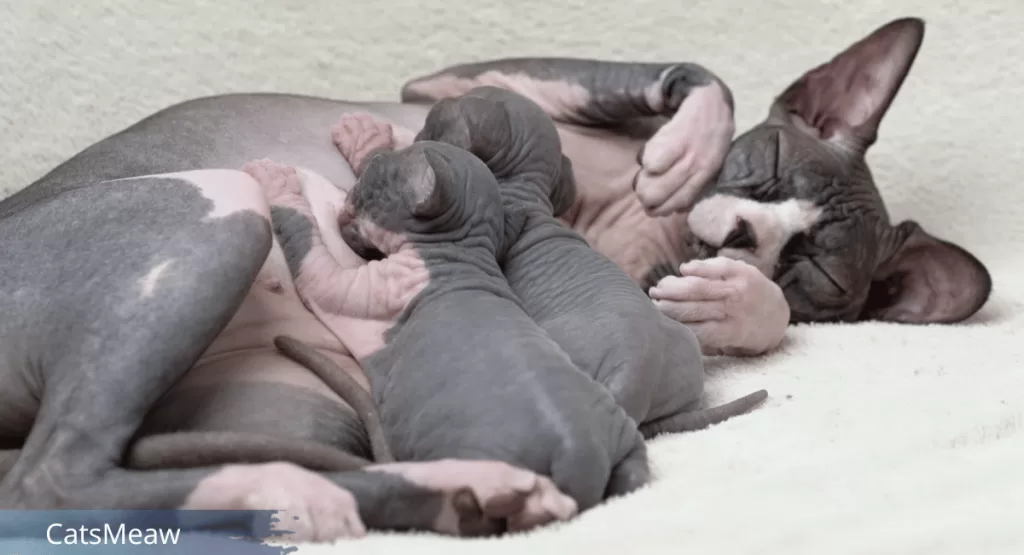
Keeping Your Sphynx Warm and Protected
A comfortable Sphynx cat stays in a home kept around 72 to 78°F (22 to 26°C) with plenty of warm places to rest. Shivering, curling tightly, or burrowing under covers are clear signs your cat is cold.
- Offer a heated cat bed with a low, pet-safe temperature setting, plus soft fleece blankets.
- Consider a lightweight cat sweater in cooler months. Our overview of cat clothing covers fit and safety.
- Block strong midday sun through windows, or let your cat sunbathe only briefly.
- Use a pet-safe sunscreen only if a vet approves it, because cats lick their skin.
Sphynx cats should live indoors. Outdoor exposure risks sunburn, cold, scratches, and injuries to thin skin. You can read more about the risks in our article on safely letting cats outside.
Feeding and Hydration
Sphynx cats do best on high-quality, protein-rich food in measured portions, because their higher metabolism burns calories fast. Adults typically need a bit more food than a furred cat of similar weight, though individual needs vary.
- Choose a complete and balanced diet with animal protein as the first ingredient.
- Split daily food into 2 to 4 meals to keep energy steady.
- Watch body condition: you should feel ribs under a thin fat layer, not see them.
- Offer fresh water at all times, and try a cat water fountain if your cat prefers running water. Our pick for the best cat water fountain for easy cleaning helps with maintenance.
Our general cat feeding guidelines explain how to adjust portions. Cornell recommends discussing diet changes with your vet, and the Cornell Feline Health Center feeding guide covers the basics of balanced cat nutrition.
Common Sphynx Health Concerns
Sphynx cats are generally healthy, but the breed has a few known concerns worth monitoring. A veterinarian should evaluate any change in skin, breathing, or energy.
- Skin problems: Acne, yeast overgrowth, and irritation from dirty bedding or harsh products.
- Heart disease: Hypertrophic cardiomyopathy appears more often in Sphynx cats, so ask your vet about heart screening.
- Dental disease: Gum inflammation develops without regular tooth care.
- Ear infections: Wax and debris build up quickly in unprotected ears.
Schedule yearly exams and keep vaccinations current, as covered in our post on regular veterinary check-ups for cats. Rapid breathing, blue-tinged gums, or sudden weakness are emergencies that need a vet immediately. The Cornell Feline Health Center offers reliable information on feline conditions.
Keeping a Sphynx Cat Happy and Social
Sphynx cats are highly social and often follow their owners from room to room, so loneliness is a bigger risk than boredom alone. They thrive with daily play, climbing options, and company.
- Rotate interactive toys to keep the mind busy and burn energy.
- Provide a tall cat tree so your cat can climb and find warm high perches.
- Schedule two play sessions of 10 to 15 minutes each day.
- Expose kittens early to visitors and new places to build confidence.
For more ideas, read how to keep an indoor cat entertained.
Frequently Asked Questions
How often should you bathe a Sphynx cat?
Most Sphynx cats need a bath every 1 to 4 weeks. Oilier cats lean toward weekly, while drier-skinned cats can stretch the interval, and a vet can help you find the right schedule.
Do Sphynx cats get cold easily?
Yes, Sphynx cats get cold easily because they have no fur insulation. Keeping the home near 72 to 78°F (22 to 26°C) and offering warm bedding prevents shivering and stress.
Are Sphynx cats hypoallergenic?
No, Sphynx cats are not truly hypoallergenic. Allergies come from a protein in saliva and skin, not fur, so people with cat allergies can still react to a Sphynx.
How much do Sphynx cats eat?
Sphynx cats often eat more than furred cats of the same weight because they burn extra calories keeping warm. Split meals into 2 to 4 portions and monitor weight to avoid both underfeeding and obesity.
Good sphynx cat care comes down to regular baths, warmth, sun protection, and a protein-rich diet. Start with a bathing routine this week, set up a warm bed, and book a vet visit to review heart and skin health.