catsmeaw logo
  • Home
  • Grooming & Health
  • Breeds
  • Behaviour & Training
  • Food & Nutrition
  • Shop
  • Home
  • Grooming & Health
  • Breeds
  • Behaviour & Training
  • Food & Nutrition
  • Shop
  • Contact Us

Category: Behaviour & Training

CatsMeaw > Blog > Behaviour & Training
Toilet Training Your Cat
  • Oscar
  • February 12, 2024October 22, 2026

Toilet Training Your Cat: A 6-Step Guide That Works

Toilet training your cat takes 4 to 8 weeks. Follow 6 gradual steps, avoid common mistakes, and know which cats should keep a litter box.

Read More
Best Tips for Safely Letting Cats Outside
  • Oscar
  • February 11, 2024October 22, 2026

Top Tips for Safely Letting Cats Outside 2024

As a cat owner, one of the biggest debates you may face is whether or not to let your feline companion roam freely outdoors. Some argue that cats are natural explorers and should be given the opportunity to experience the great outdoors. Others believe that the risks and dangers of [...]

Read More
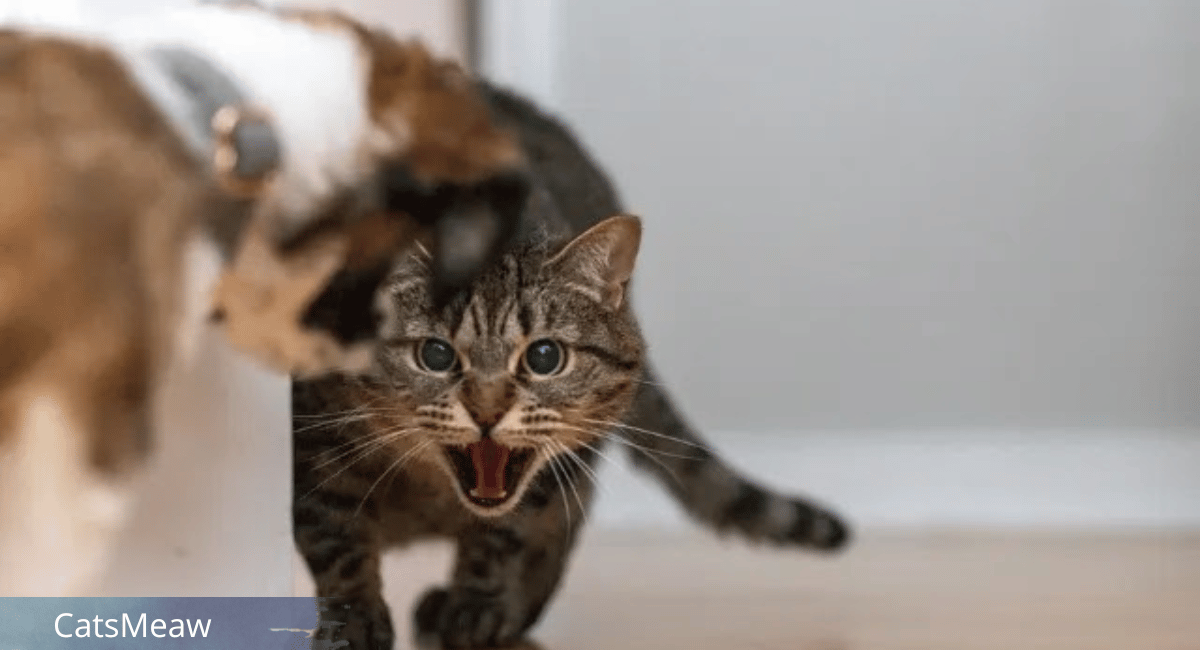
Many cat owners have experienced the unsettling sound of their beloved feline hissing. It is a natural instinct for cats to hiss as a way to communicate their discomfort or fear. When a cat hisses, it is a clear warning sign that they are feeling threatened and are ready to defend themselves if necessary. Understanding why cats hiss can help us better care for our furry friends and create a safe and nurturing environment for them. Common causes of cat hissing There are several common causes for cat hissing. One of the most prevalent reasons is fear. Cats are known for their strong sense of self-preservation, and when they feel scared or threatened, they will often resort to hissing as a way to intimidate potential threats. Another common cause of hissing is aggression. Cats can become aggressive when they feel territorial or when they are engaged in a confrontation with another animal or even a human. Fear and aggression as causes of cat hissing Fear is a powerful emotion in cats, and it can trigger their natural fight-or-flight response. When a cat is afraid, they may hiss as a warning to their perceived threat. This hissing behavior is a defense mechanism to keep potential predators at bay. Aggression, on the other hand, is often linked to dominance and territoriality. Cats are highly territorial animals, and when they feel that their territory is being invaded or challenged, they may hiss to establish dominance and protect their territory. Medical issues that can cause cat hissing While fear and aggression are common causes of cat hissing, it is important to rule out any underlying medical issues that may be contributing to this behavior. Pain or discomfort can make a cat more prone to hissing. Dental problems, urinary tract infections, or even arthritis can cause a cat to react aggressively due to the discomfort they are experiencing. If your cat's hissing behavior is out of character or persists over time, it is crucial to consult with a veterinarian to rule out any potential health issues. How to handle a hissing cat Handling a hissing cat can be challenging, but it is essential to approach the situation calmly and cautiously. The first step is to give the cat some space and time to calm down. Do not force any interactions or try to pick up the cat while it is hissing. Instead, allow the cat to retreat to a safe space where it feels secure. Avoid making sudden movements or loud noises that may further agitate the cat. Once the cat has calmed down, slowly approach it using gentle and reassuring body language. Offer treats or toys as a way to build positive associations and gradually reintroduce trust. Preventing cat hissing in multi-cat households In multi-cat households, it is not uncommon for hissing to occur as cats establish their hierarchy and define their territories. To prevent cat hissing in such environments, it is crucial to provide enough resources for each cat, including food, water, litter boxes, and resting areas. Additionally, ensure that there are plenty of vertical spaces and hiding spots for cats to feel secure and retreat to if needed. Gradual and supervised introductions between new cats and resident cats can also help minimize tension and prevent hissing. Helping a cat overcome fear and aggression If your cat is exhibiting fear or aggression that is leading to hissing, it is important to address these underlying issues. Creating a safe and enriching environment for your cat is the first step. Provide plenty of hiding spots, vertical spaces, and interactive toys to help alleviate anxiety and redirect aggression. Positive reinforcement training can also be beneficial in teaching your cat alternative behaviors and rewarding calm and non-aggressive responses. In some cases, working with a professional animal behaviorist may be necessary to help your cat overcome their fear or aggression. When to seek professional help for a hissing cat While some instances of hissing can be resolved with proper care and attention, there are situations in which professional help is necessary. If your cat's hissing is persistent, escalating in intensity, or accompanied by other concerning behaviors, it is crucial to seek the assistance of a veterinarian or a qualified animal behaviorist. These professionals can conduct a thorough assessment to determine the underlying causes of the hissing and develop a tailored plan to address the issue effectively. Remember, your cat's well-being and emotional health should always be a top priority. Conclusion Understanding the causes of cat hissing is crucial for cat owners to create a harmonious and stress-free environment for their feline companions. Fear and aggression are common triggers for hissing, but it is important to rule out any potential medical issues that may be contributing to this behavior. Handling a hissing cat requires patience, gentleness, and respect for their personal boundaries. Preventing hissing in multi-cat households involves providing enough resources and creating a space that supports each cat's individual needs. With the right approach and, if needed, professional guidance, cats can overcome their fear and aggression, leading to a happier and healthier life for both the cat and their human companions.
  • Oscar
  • February 9, 2024October 22, 2026

Cat Hissing: Everything You Need to Know

Many cat owners have experienced the unsettling sound of their beloved feline hissing. It is a natural instinct for cats to hiss as a way to communicate their discomfort or fear. When a cat hisses, it is a clear warning sign that they are feeling threatened and are ready to [...]

Read More
Best Guide for Choosing the Perfect Cat Backpack
  • Oscar
  • January 30, 2024October 22, 2026

Cat Backpack Guide: 5 Features That Matter Most

Choosing a cat backpack? Learn the 5 features that matter, how to size it, and how to train your cat to ride safely and calmly.

Read More
Best Interactive Toys for Indoor Cats - 2024
  • Oscar
  • January 29, 2024October 22, 2026

Interactive Toys for Indoor Cats: 5 Types That Work

Interactive toys for indoor cats burn energy and prevent boredom. Compare 5 toy types, safety rules, and how to pick the right one for your cat.

Read More
Cat-Friendly Apartments
  • Oscar
  • January 28, 2024October 22, 2026

Cat-Friendly Apartments: Find Your Feline-Friendly Home

In the ever-evolving landscape of urban living, the concept of pet-friendly apartments has gained significant traction. As more people embrace the joys of feline companionship, the demand for cat-friendly apartments has surged. This post may contain affiliate links. As an Amazon Associate I earn from qualifying purchases. These dwellings go [...]
Read More
How to Prevent Your Cat's Attack
  • Oscar
  • January 24, 2024October 22, 2026

Best Tips to Prevent Your Cat’s Attack – 2024

 Cats are independent creatures with their own personalities and behaviors, and sometimes they can become aggressive and attack their owners. If your cat is attacking you, it’s important to take steps to prevent future cat’s attack and protect both yourself and your feline friend.  This post may contain affiliate links. [...]

Read More
6 Raisons Why Your Cat Attacks Your Feet
  • Oscar
  • January 19, 2024October 22, 2026

Your Cat Attacks Your Feet: 6 Causes and Fixes

If your cat attacks your feet, it is usually hunting instinct, boredom, or play aggression. Learn the 6 causes and how to redirect the behavior.

Read More
What to Know About Depression in Cats?
  • Oscar
  • December 29, 2023October 22, 2026

Depression in Cats: 8 Signs, Causes and How to Help

Depression in cats shows as hiding, low appetite and lost interest in play. Learn the 8 signs, common causes and when to call your vet.

Read More

  • 1
  • …
  • 6
  • 7

Recent Posts

  • Can Cats Eat Chicken? 6 Safe Ways to Serve This Healthy Treat
    Can Cats Eat Chicken? 6 Safe Ways to Serve This ...
    November 13, 2026November 13, 2026
  • Worms in Cats: 7 Clear Signs and Proven Treatments That Work
    Worms in Cats: 7 Clear Signs and Proven Treatments That ...
    November 13, 2026November 13, 2026
  • 10 Best Hypoallergenic Cat Breeds for Happy Allergy Sufferers
    10 Best Hypoallergenic Cat Breeds for Happy Allergy Sufferers
    November 13, 2026November 13, 2026
  • Why Do Cats Like Boxes? 6 Fascinating Reasons Cats Love Them
    Why Do Cats Like Boxes? 6 Fascinating Reasons Cats Love ...
    November 12, 2026November 12, 2026
  • Can Cats Eat Tuna? 7 Important Facts Every Smart Owner Should Know
    Can Cats Eat Tuna? 7 Important Facts Every Smart Owner ...
    November 12, 2026November 12, 2026
catsmeaw logo
Our Mission is to help you give your cat a longer, happier, and healthier life with reliable, easy-to-follow information.

Opening Hours

We reply to messages during the hours below, usually within one business day.

  • Mon – Fri: 8:00 am – 8:00 pm
  • Saturday: 9:00 am – 8:00 pm
  • Sunday: Closed

Contact Info

  • 2263 Talkeetna Spur Rd,
    Talkeetna, Alaska

  • +1 (907) 733-2223
  • [email protected]

Privacy Policy  |  Shipping Policy |  Terms and Conditions  |  Shop |

© 2026 CatsMeaw | All Rights Reserved