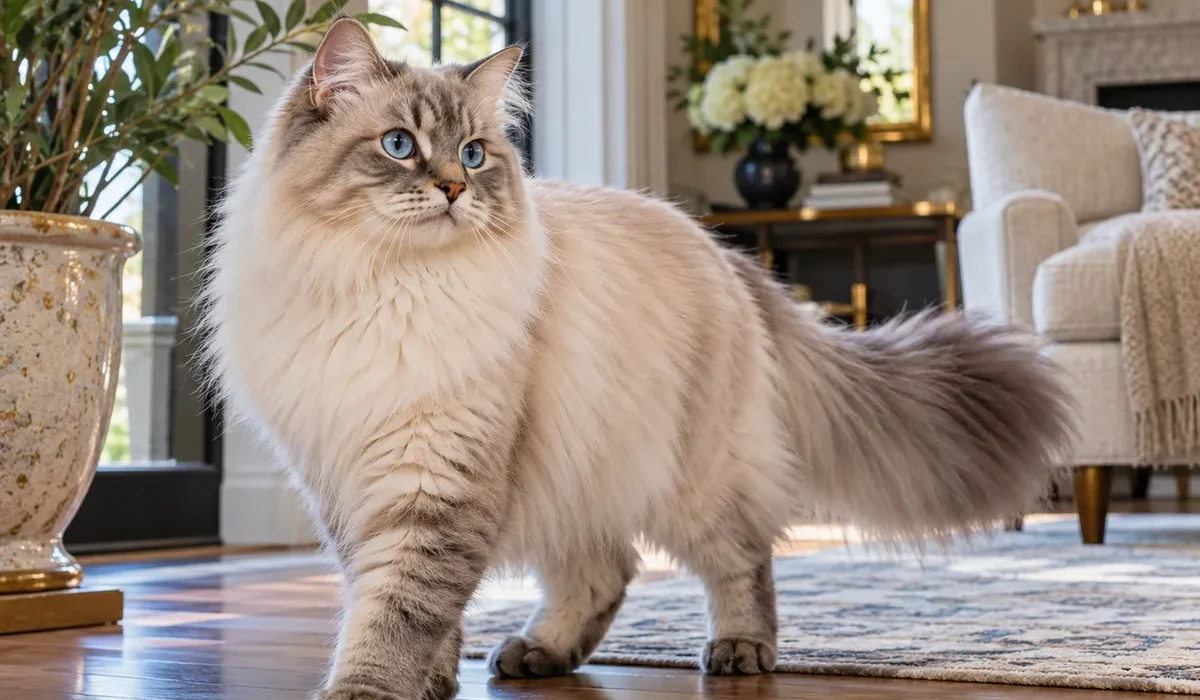
Rare Cat Breeds: 12 Unique Cats Most People Have Never Seen
Rare cat breeds are breeds with very small populations, often only a few hundred to a few thousand cats worldwide, which makes kittens expensive and hard to find. They matter for anyone who wants an unusual look or temperament, because rarity often brings long waiting lists, health screening needs, and a strong commitment from the owner.
This post may contain affiliate links. As an Amazon Associate I earn from qualifying purchases.
Table of Contents
Rare cat breeds at a glance:
- Short Answer: A rare cat breed is a recognized breed with very few registered cats, usually bred by a small number of dedicated breeders.
- Why They Are Rare: Small founding populations, strict breeding standards, and slow, careful breeding programs keep numbers low.
- Typical Cost: Kittens from rare breeds often cost several times more than common breeds, and waiting lists of six months to two years are normal.
- Main Risk: A limited gene pool can raise the chance of inherited conditions, so health testing of the parents is essential.
- Best Alternative: Shelters regularly have cats with rare-looking coats and colors, and adoption costs far less.
What Makes Rare Cat Breeds So Uncommon?
A breed is considered rare when only a small number of cats are registered each year and few breeders produce them. Registries such as the Cat Fanciers’ Association and The International Cat Association (TICA) track registration numbers, and the least common breeds sit at the bottom of those lists.
Several factors keep a breed uncommon:
- Small founding population: Some breeds began from just a handful of cats, so breeders must work carefully to avoid inbreeding.
- Natural origin in isolated places: Island and village cats developed unique traits, but few of them left their home region.
- Difficult breeding: Certain traits, like curled ears or hairlessness, require careful pairing to avoid health problems.
- Low demand outside enthusiast circles: Unusual looks appeal to a niche audience rather than the general pet market.
Rarity does not make a breed better or worse than a common one. It simply means fewer cats exist, and finding a healthy kitten takes more research. If you are still choosing a direction, our guide to cat breeds and how to find the best one to adopt covers the basics.
12 Rare Cat Breeds You Rarely See
The list below covers 12 uncommon breeds recognized by at least one major registry. Each entry gives the key facts a buyer or admirer wants first.
1. Peterbald
The Peterbald is a slim, elegant cat from Russia, first bred in 1994 by crossing a Donskoy with an Oriental Shorthair. Coats range from completely hairless to a soft brushy fuzz. These cats are very social, vocal, and attached to their people.
2. Lykoi
The Lykoi is nicknamed the werewolf cat because of its patchy, roan-colored coat and sparse hair around the eyes and muzzle. The look comes from a natural genetic mutation first documented in 2010. Lykoi cats are playful and often hunt toys with real intensity.
3. Selkirk Rex
The Selkirk Rex has dense, curly fur and curled whiskers, a trait traced back to a single shelter kitten found in Montana in 1987. The breed comes in both short and long coat varieties. Selkirks are patient, calm, and known for tolerating handling well.
4. Sokoke
The Sokoke is a lean cat from the Arabuko-Sokoke forest region of Kenya, with a distinctive tortoiseshell-like tabby pattern. It is one of the least common breeds outside Africa, with very few breeders worldwide. Sokokes are active, athletic, and bond closely with their families.
5. Khao Manee
The Khao Manee is a white Thai cat often called the diamond eye, because many have one blue and one gold eye or two matching jewel-toned eyes. The breed has been documented in Thailand for centuries. These cats are intelligent, social, and curious.
6. Turkish Van
The Turkish Van is a large, semi-longhaired cat from eastern Turkey, famous for its white body and colored markings on the head and tail. Many Vans love water, which is unusual for cats. They are strong, energetic, and need plenty of vertical space to climb.
7. American Curl
The American Curl has ears that curve backward, caused by a natural dominant gene first seen in a stray kitten in California in 1981. Kittens are born with straight ears, and the curl develops within the first week. They are gentle, people-oriented cats that stay playful into old age.
8. Ojos Azules
The Ojos Azules, Spanish for blue eyes, is a very scarce breed with deep blue eyes regardless of coat color. The breed originated in New Mexico in the 1980s. Responsible breeding is critical because the gene is linked to possible health concerns, and the breed is not recognized by every registry.
9. Korat
The Korat is a silver-blue cat with heart-shaped features and luminous green eyes, considered a good luck symbol in Thailand. It has existed for hundreds of years but remains uncommon in the West. Korats are quiet, sensitive, and prefer calm homes.
10. Havana Brown
The Havana Brown has a rich chestnut-brown coat, green eyes, and a distinctive muzzle shape. Total registrations are very low, and the breed is rarely seen outside specialist shows. These cats are affectionate and often use their paws to touch and explore objects.
11. Norwegian Forest Cat (scarce outside Europe)
This large, double-coated cat from Scandinavia is better known in Europe but still hard to find elsewhere. Adult males commonly weigh 12 to 16 pounds, and the thick coat sheds seasonally. The breed is sturdy, climbs well, and stays friendly with children.
12. Chantilly-Tiffany
The Chantilly-Tiffany is a semi-longhaired cat with a silky chocolate or sable coat and amber eyes. It remains one of the least common breeds in North America. These cats are quiet, loyal, and often follow their owners from room to room.
| Breed | Origin | Standout Trait |
|---|---|---|
| Peterbald | Russia | Hairless to brushy coat |
| Lykoi | United States | Werewolf-like roan coat |
| Selkirk Rex | United States | Curly fur and whiskers |
| Sokoke | Kenya | Wild-looking tabby pattern |
| Khao Manee | Thailand | Pure white with jewel eyes |
| Turkish Van | Turkey | Loves water |
| American Curl | United States | Backward-curled ears |
| Ojos Azules | United States | Deep blue eyes in any coat |
| Korat | Thailand | Silver-blue coat, green eyes |
| Havana Brown | England and United States | Chestnut brown coat |
| Norwegian Forest Cat | Norway | Heavy double coat |
| Chantilly-Tiffany | United States | Silky chocolate semi-long coat |
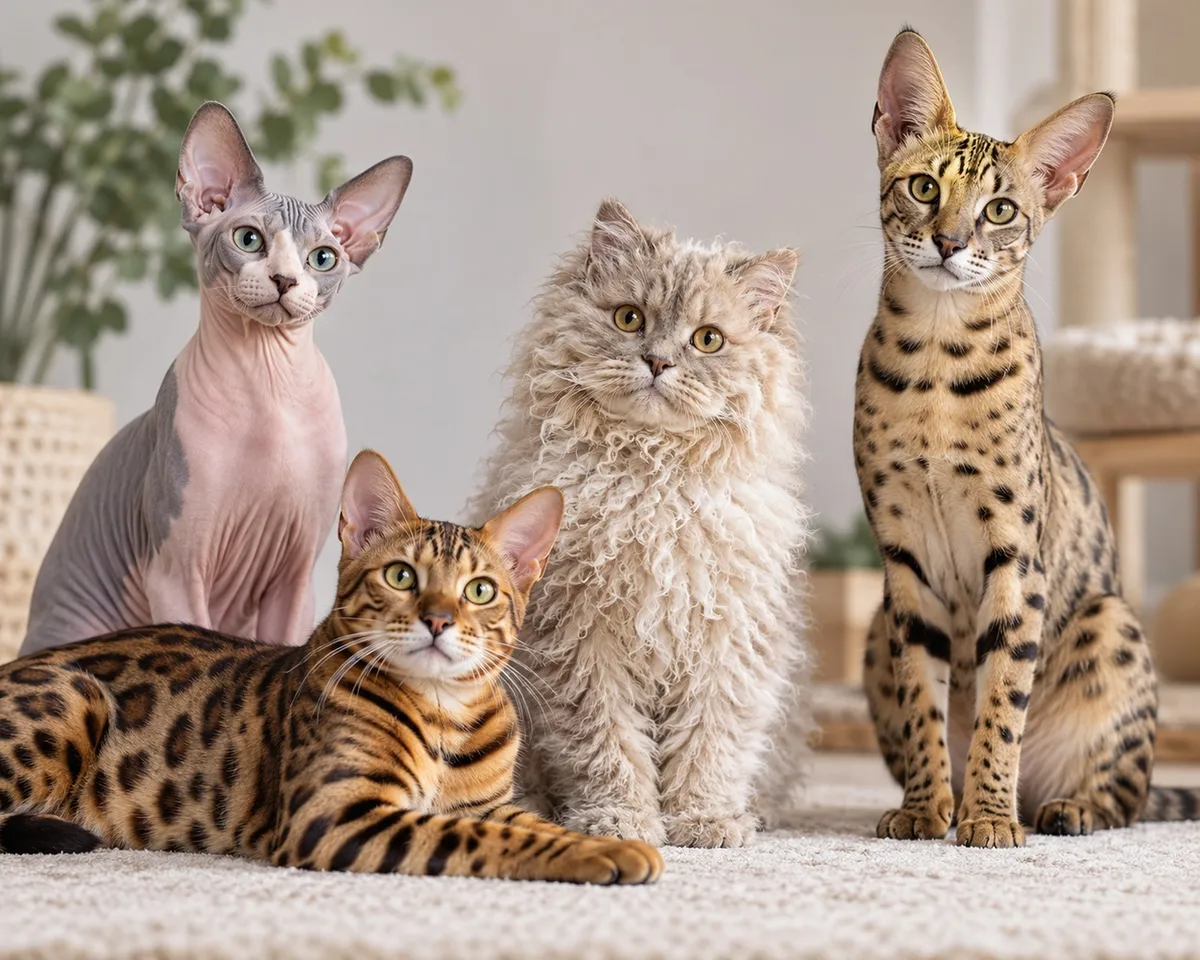
Which of the Rare Cat Breeds Is Rarest of All?
The rarest breeds are those with the fewest breeders and registered litters per year, such as the Sokoke, Ojos Azules, Khao Manee outside Thailand, and the Chantilly-Tiffany. Exact numbers change yearly, but all four are far less common than breeds like the Maine Coon or Ragdoll.
When you search for the rarest cat breeds, expect these realities:
- Few breeders: Some breeds have only a handful of active breeders on each continent.
- Long waits: Reservations often open before a litter is even born.
- Shipping or travel: You may need to fly or drive long distances to meet kittens and parents.
- Registry differences: A breed may be recognized by TICA but not by other organizations.
For comparison, the most common pedigree cats are much easier to find, and you can read about the 5 most popular cat breeds to see the other end of the spectrum.
Health Considerations for Rare Cat Breeds
Health risks in rare cat breeds depend mostly on how small the gene pool is and which physical trait defines the breed. Hairless and curly-coated cats, for example, need different care from a standard shorthair.
Common concerns to ask a breeder about:
- Heart disease: Hypertrophic cardiomyopathy appears in many breeds, so ask for parent heart screening results.
- Skin and coat care: Hairless cats like the Peterbald need regular skin care and protection from sun and cold. Our guide to Sphynx cat care covers the same needs for hairless coats.
- Genetic testing: Reputable breeders test for known inherited conditions and share written results.
- Ear health: Cats with unusual ears, such as the American Curl, need gentle, regular ear checks.
Every new cat should see a veterinarian within the first week for a baseline exam. Routine visits matter even more for rare cat breeds, which is why regular veterinary check-ups for cats deserve a fixed place in your yearly budget. A veterinarian can advise on breed-specific screening, vaccination schedules, and any concerning symptoms.
How to Choose a Breeder for Rare Cat Breeds
A responsible breeder welcomes questions, shows you the parents, provides health records, and never pressures you to decide quickly. Buying from the wrong source is the biggest risk when a breed is scarce and prices are high.
Checklist before you pay a deposit:
- Confirm the breeder is registered with a recognized organization such as TICA or CFA.
- Ask to see the kitten’s mother and, when possible, the father or recent photos and video.
- Request written health testing results for both parents.
- Check that kittens stay with their mother until at least 12 weeks, the age recommended in our guide on when kittens leave their mom.
- Read the contract carefully, including the health guarantee and spay or neuter terms.
- Be cautious of any seller offering a scarce kitten at a bargain price or shipping it without an in-person meeting.
Before the kitten arrives, prepare your home with a sturdy cat tree for climbing and a soft grooming brush suited to the breed’s coat. Having the basics ready makes the first weeks calmer for you and the kitten.
Are Rare Cat Breeds Right for You?
Rare cat breeds suit owners who have time, budget, and patience for research and for breed-specific care. They are not ideal for anyone who wants a quick, low-cost pet.
A rare breed may suit you if:
- You can afford a higher purchase price plus potential specialist vet costs.
- You are willing to wait months for the right kitten.
- You enjoy learning about one breed in depth and joining owner communities.
- You can provide daily interaction, since many of these cats are highly social.
If budget or timing is a concern, consider adopting. Shelters often hold cats with unusual coats, such as a tortoiseshell cat or a striking orange tabby cat, and they need homes now. Whichever cat you choose, a well-planned new kitten checklist helps you prepare for the first week.
Responsible organizations such as International Cat Care publish guidance on cat welfare and breed health that is worth reading before you commit to any pedigree cat.
Frequently Asked Questions
What is the rarest cat breed in the world?
The Sokoke and the Ojos Azules are often named among the rarest cat breeds, since only a small number of breeders and registered cats exist worldwide. Exact rankings vary by registry and year, but both are far less common than mainstream pedigrees.
How much do rare cat breeds cost?
Kittens from rare cat breeds commonly cost between about 1,000 and several thousand dollars, depending on the breed, bloodline, and breeder. Very scarce breeds can cost more, and you should also budget for travel, vaccinations, and early vet care.
Are rare cat breeds healthier than common breeds?
Rare cat breeds are not automatically healthier, because small gene pools can increase the risk of inherited conditions. Choose a breeder who performs genetic and heart screening and shares written results for both parents.
Which rare cat breeds are good for families with kids?
The Selkirk Rex, American Curl, and Norwegian Forest Cat are known for patient, friendly temperaments that suit families. Always supervise young children and teach them to handle the cat gently, regardless of breed.
Can I find rare cat breeds in shelters?
Purebred rare cat breeds appear in shelters only occasionally, but breed rescues and mixed-breed cats with unusual traits are common. Contact breed-specific rescue groups for the best chance of adopting a purebred cat.
Rare cat breeds offer unforgettable looks and personalities, but they require careful research, a reputable breeder, and a realistic budget. Start by narrowing your list to two or three breeds, read the health testing requirements for each, and talk to a veterinarian before you reserve a kitten.