
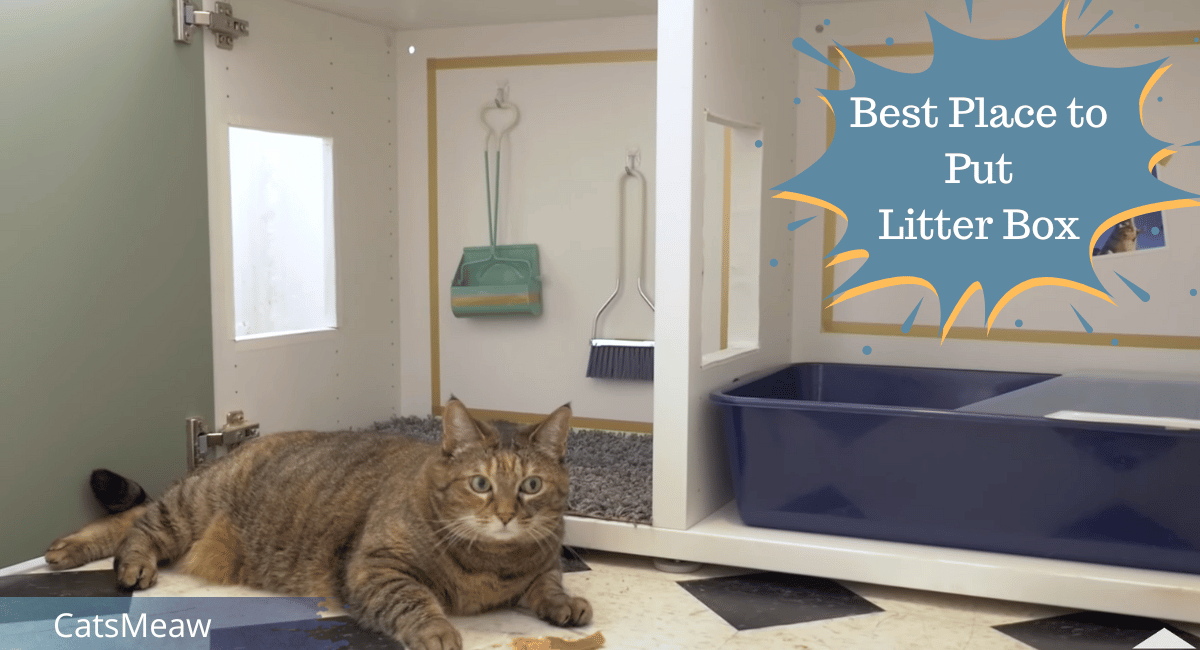
Best Place to Put a Litter Box: 6 Spots Cats Prefer
The best place to put a litter box is a quiet, private, well-ventilated spot away from food, water, and noisy appliances. Location matters most for new cat owners and for cats that suddenly start urinating outside the box.
This post may contain affiliate links. As an Amazon Associate I earn from qualifying purchases.
Table of Contents
Best place to put a litter box at a glance:
- Short Answer: A calm room with two exits, good airflow, and no loud machines nearby.
- Best Spots: Guest bedroom, quiet bathroom, living room alcove, or spare room corner.
- Worst Spots: Laundry rooms, hallways, next to food bowls, and tight closets.
- How Many: One box per cat plus one extra, spread across different rooms.
- If Your Cat Avoids It: Rule out a medical cause and move the box before changing anything else.
What Makes the Best Place to Put a Litter Box
Cats choose a toilet spot using instinct, so the best location follows five simple rules. Each rule below reflects how cats feel safe while they are vulnerable.
- Quiet: Cats need privacy to relax. A hallway or busy living room keeps them tense and can make them hold urine.
- Ventilated: Ammonia builds up fast in closed spaces. Choose a room with airflow but no direct drafts on the cat.
- Open view: In the wild, a cat doing its business can become prey. A spot with a clear view of the room, or two escape routes, feels safer than a dead-end corner.
- Accessible: Kittens, seniors, and cats with arthritis should not need stairs or high ledges. Keep the path clear at all hours.
- Clean: Cats are fussy about hygiene. A spot you can reach easily is a spot you will scoop daily.
Best Places in the House and Places to Avoid
The right room depends on your layout, but a few locations work in almost every home. Here is how common spots compare.
Good Choices
- Guest bedroom or spare room: Low traffic, easy to ventilate, and the door can stay slightly open for access.
- Bathroom: Works well if the bathroom is rarely used and has a window or fan. Keep the door propped open so your cat never gets locked out.
- Living room alcove or corner: Good in small homes when a plant stand or screen adds a little privacy without blocking the view.
- Quiet corner of a basement: Fine if it is warm, lit, and easy to reach. Avoid damp or cold basements.
Spots to Avoid
- Laundry room: A washer or dryer starting mid-visit can scare a cat away from the box for weeks.
- Next to food and water: Cats instinctively keep eating and elimination areas apart. A box beside the bowls often leads to accidents.
- Hallways and doorways: Constant foot traffic prevents a cat from feeling safe.
- Tight closets or under stairs: Enclosed spaces trap odor and make a cat feel cornered.
Placement Tips for Apartments and Multi-Cat Homes
Space and cat count change the best litter box placement more than anything else. Plan for these situations before problems start.
Small apartments:
- Use a bathroom corner or a quiet nook in the bedroom, and keep it at least a few feet from the bowls.
- A foldable screen gives privacy without blocking the cat’s view.
- Pair the setup with odor-control cat litter and read our guide to cat litter for odor control in small apartments.
Homes with several cats:
- Follow the one box per cat plus one extra rule, and spread boxes across different rooms rather than lining them up.
- Put boxes on every floor so a cat never has to climb stairs in a hurry.
- Avoid placing boxes where one cat can block the exit for another. Our post on cat litter for multiple cats covers the supplies side.
Kittens and senior cats:
- Place a box on the same floor where they spend most of the day.
- Choose a low-sided litter box so joints do not have to work to climb in.
Open or Covered: Which Box Goes Where
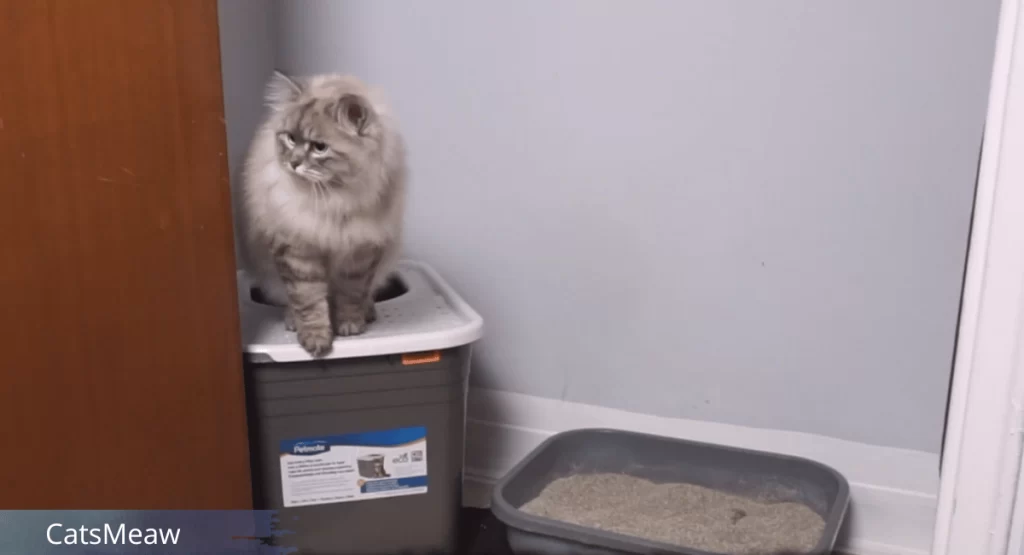
Most cats prefer an open box because they can see approaching threats and avoid trapped odors. A covered box can work if your cat is calm about it, but it needs more frequent cleaning.
- Open boxes: Better airflow, easier to scoop, and more natural for most cats. A wide litter box with a gently sloped entry suits most homes.
- Covered boxes: Reduce litter scatter and hide the mess from guests. Some cats find them claustrophobic, so test with one box first.
- Size: The box should be about 1.5 times your cat’s body length. If you are unsure, our guide on choosing the best litter box for your cat explains sizes and styles.
Whichever you choose, a good cat’s litter box should be easy to reach, easy to scoop, and never wedged into a tight spot.
When the Cat Still Avoids the Box
If your cat stops using a well-placed box, a medical issue is possible before it is a behavior issue. Frequent trips, straining, or blood in urine need a veterinarian visit, and they can be an emergency in male cats.
- Book a vet check if the change is sudden, especially with straining, crying, or urinating small amounts.
- Move the box slowly, a few inches a day, so your cat can follow.
- Scoop daily and wash the box weekly with mild, unscented soap. Our guide explains how often to clean a cat litter box.
- Clean accidents with an enzyme cleaner so lingering odor does not invite repeat marking.
- Reduce stress from new pets, loud noise, or changes at home. The ASPCA outlines common causes in its guide to cat behavior issues.
Frequently Asked Questions
Can I put a litter box in the bathroom?
Yes, a bathroom works well if it is quiet, ventilated, and always accessible. Never close the door fully, because a cat that cannot reach the box may eliminate elsewhere.
How far should a litter box be from food and water?
Keep the box in a different room from the food and water bowls whenever possible. If space is tight, place them on opposite sides of the room, several feet apart.
How many litter boxes should I have per cat?
Most vets recommend one box per cat plus one extra. A two-cat home should have three boxes spread across different areas.
Should I move a litter box if my cat stops using it?
Move it only after ruling out a health problem with your vet. Shift the box a few inches a day toward a quieter spot instead of relocating it all at once.
The best place to put a litter box is quiet, ventilated, accessible, and away from food and noisy appliances. Start by checking where your cat’s box sits today, then move it one small step at a time if it fails any rule.