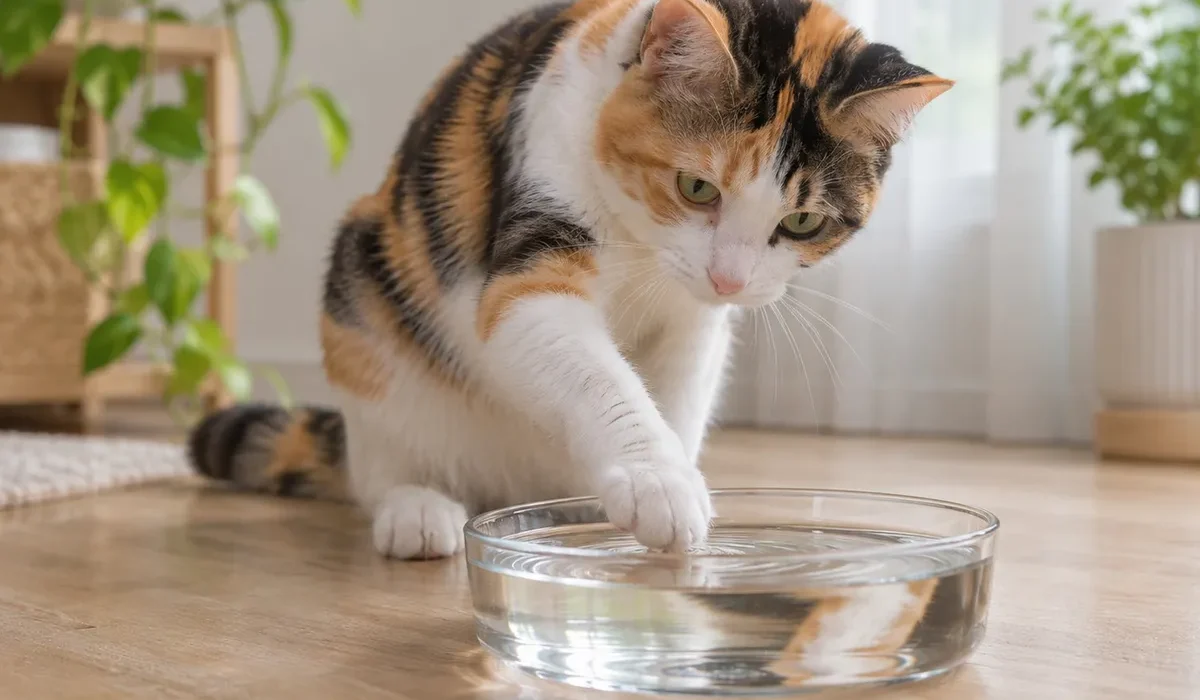
Why Do Cats Hate Water? 5 Surprising Reasons Explained Simply
The answer to why do cats hate water is simple: soaked fur turns heavy, dries slowly, chills the body, and erases the scent cats groom into their coats. These reasons matter most during bath time, after a muddy accident, or when a vet prescribes a medicated wash.
This post may contain affiliate links. As an Amazon Associate I earn from qualifying purchases.
Table of Contents
Why do cats hate water at a glance:
- Short Answer: Wet fur loses insulation and weighs cats down, so most cats treat soaking as a threat.
- Why Cats Do It: Desert ancestors, sensitive senses, and strong grooming instincts shape the aversion.
- Is It Normal: Water aversion is normal, though breeds like the Turkish Van enjoy water.
- How to Respond: Bathe only when necessary, in shallow lukewarm water, for under 10 minutes.
Why Do Cats Hate Water? 5 Surprising Reasons
The real answer to why do cats hate water is cost: soaking takes their warmth, mobility, scent, and control at once. Experts at International Cat Care stress that cats feel safest when they control their environment.
1. Wet Fur Becomes Heavy and Cold
A dense coat soaks up water like a sponge, adding weight that slows running and jumping. Soaked fur loses its insulating air layer, while cats maintain a body temperature of 100.5 to 102.5°F. A long-haired cat can take hours to dry fully.
2. Desert Ancestors Rarely Met Water
Domestic cats descend from the African wildcat, a species adapted to dry regions with few rivers or lakes. Those ancestors got most of their moisture from prey, so swimming never became a strong instinct.
3. Water Smells and Feels Wrong
A cat’s sense of smell is many times stronger than ours, so chlorinated tap water and scented soap feel overwhelming. Slippery tubs and loud faucets add a frightening loss of footing.
4. Grooming Is Already Built In
Cats spend roughly 30 to 50 percent of their waking hours grooming. Shampoo strips natural oils and scent markers, forcing long re-grooming sessions afterward.
5. Few Kittens Get Early Exposure
Kittens learn what is safe during their socialization window, roughly 2 to 7 weeks of age. Without gentle water exposure then, adult cats treat water as dangerous, and one scary bath can create lasting fear.
Why Do Cats Hate Water but Play With Faucets?
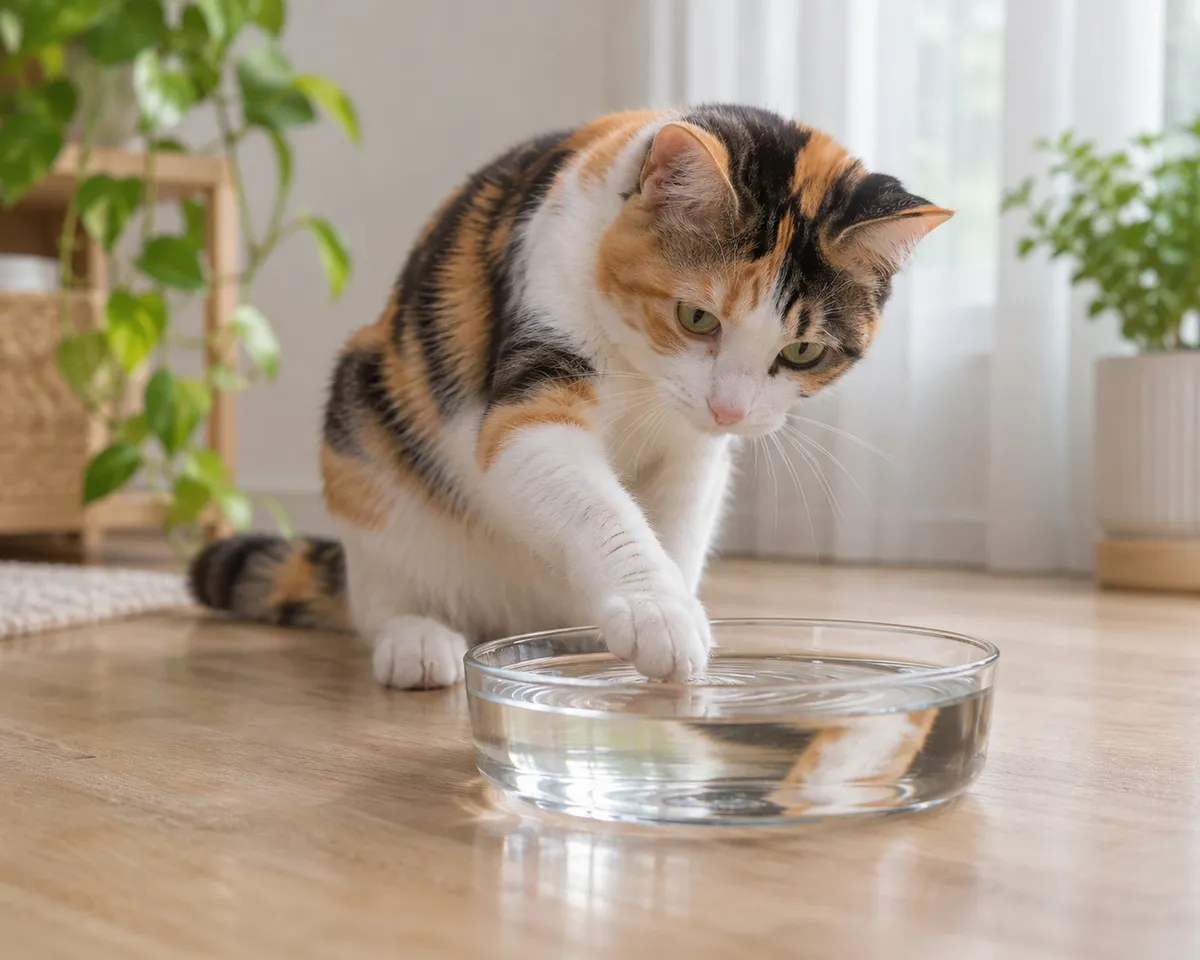
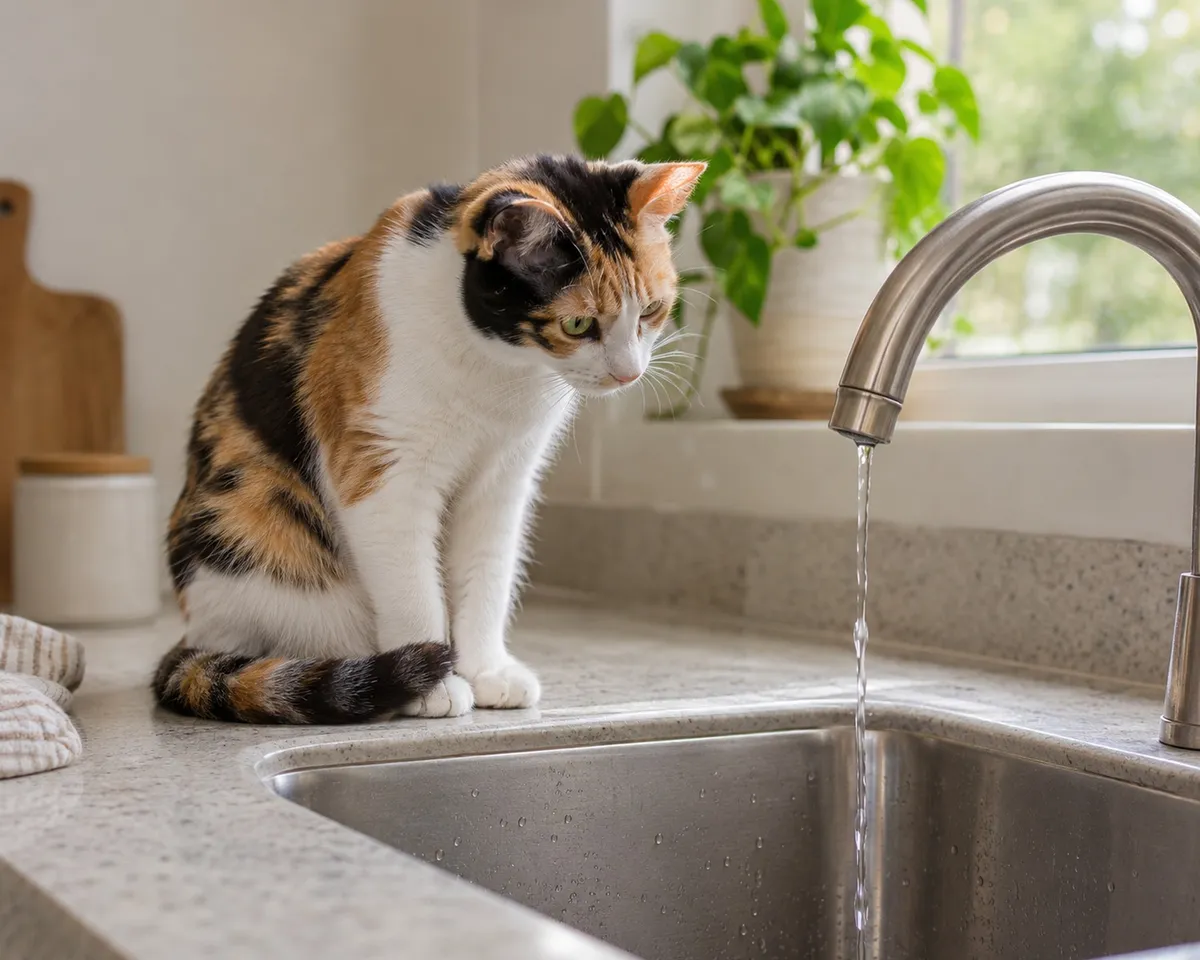
Many cats that hate baths paw at dripping taps because they choose the contact and can leave anytime.
- Control: Dipping a paw is voluntary, while a bath means restraint and full immersion.
- Freshness: Cats often prefer running water, which helps prevent dehydration in cats.
- Play: Flowing water moves unpredictably, triggering the same hunting curiosity as small prey.
Cat Breeds That Love Water
Not every cat fits the why do cats hate water rule, because some coats repel moisture and some breeds developed in wet climates.
| Breed | Water Behavior | Coat Advantage |
|---|---|---|
| Turkish Van | Often swims willingly | Water-resistant, cashmere-like coat |
| Bengal | Splashes bowls, paws taps | Short pelt that dries quickly |
| Maine Coon | Dabbles paws in water | Shaggy, water-resistant outer coat |
| Norwegian Forest Cat | Tolerates rain | Water-repellent double coat |
| Abyssinian | Curious about running water | Fine coat that dries fast |
Our Bengal cat facts guide covers this breed’s playful splashing. The Maine Coon personality guide explains why these gentle giants dabble at their bowls.
When Cats That Hate Water Actually Need a Bath
Most healthy cats never need a full bath because their rough tongues remove dirt and loose hair daily. The ASPCA notes that baths are only occasionally needed for sticky or smelly messes.
- Sticky or toxic spills: Oil, paint, or chemicals must be washed off before cats lick them.
- Grooming limits: Overweight, arthritic, or senior cats often cannot reach their back.
- Medical reasons: Vets may prescribe medicated shampoos for skin infections, ringworm, or severe fleas.
How to Bathe a Cat That Hates Water Calmly
A calm bath depends on preparation, shallow water, and speed. When my cat rolled in spilled cooking oil, these steps kept the bath under eight minutes.
- Trim your cat’s nails a day before to reduce scratches.
- Brush out mats first, because water tightens tangles.
- Place a non-slip bath mat in a sink with 2 to 4 inches of lukewarm water.
- Wet the body from the neck down with a cup, avoiding the eyes and ears.
- Use cat-specific shampoo, rinse thoroughly, and towel dry in a warm room.
The bath mat gives secure footing, which reduces panic and clawing. Our guide to bathe a cat safely covers drying and handling.
For light dirt, a waterless cat shampoo cleans fur without soaking. Massage the waterless shampoo in, then towel it off for a low-stress refresh.
Frequently Asked Questions
Why do cats hate water so much?
Cats hate water because wet fur turns heavy, loses insulation, and takes hours to dry. Desert ancestry and constant self-grooming make soaking feel unnecessary and threatening.
Can cats swim?
Yes, nearly all cats can swim instinctively if they fall into water. Most swim only to escape, while Turkish Vans may swim willingly.
Is it cruel to spray a cat with water?
Spraying a cat with water is not recommended because it causes fear and damages trust. Rewarding good behavior with treats or play works far more reliably.
How often should you bathe an indoor cat?
Most healthy indoor cats rarely or never need a bath because they groom daily. Bathe only for sticky messes, mobility problems, or vet-prescribed treatment.
What cat breed likes water the most?
The Turkish Van is known as the “swimming cat” because it plays in water willingly. Its water-resistant coat dries faster than most breeds’ fur.
Understanding why do cats hate water helps you respect your cat’s instincts instead of fighting them. Wet fur, desert ancestry, and keen senses all explain the aversion. Your next step is simple: skip routine baths, spot clean when possible, and save full baths for real messes or vet advice.