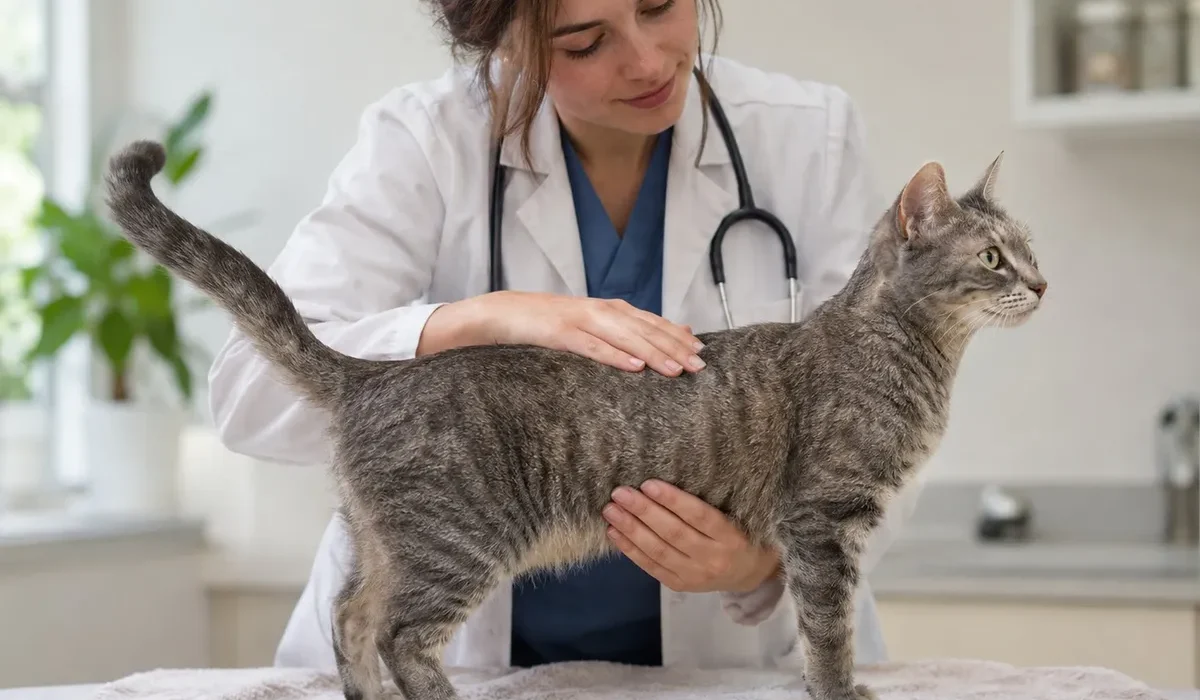
Why Is My Cat Losing Weight? 8 Serious Causes Owners Must Know
If you are asking why is my cat losing weight, the usual answers are hyperthyroidism, diabetes, kidney disease, dental pain, parasites, or too few calories. Weight loss matters most in cats over 10 years old and any cat losing over 10 percent of body weight without a diet change.
This post may contain affiliate links. As an Amazon Associate I earn from qualifying purchases.
Table of Contents
Why is my cat losing weight at a glance:
- Short Answer: Unexplained weight loss in cats usually signals a medical problem, not normal aging.
- Most Common Causes: Hyperthyroidism, diabetes, kidney disease, dental pain, and parasites.
- Urgency: A 10 percent loss needs a vet visit within one to two weeks.
- What to Do at Home: Weigh your cat weekly and log appetite, thirst, and litter box output.
- When to See a Vet: Go the same day if your cat refuses food for 24 hours.
Why Is My Cat Losing Weight? 8 Common Causes
Cats lose weight when they burn more calories than they absorb, either by eating less or because disease raises energy needs.
- Hyperthyroidism: An overactive thyroid speeds metabolism in cats over 10, causing weight loss despite a huge appetite.
- Diabetes: Diabetes in cats blocks normal glucose use, causing heavy thirst and muscle loss.
- Chronic kidney disease: Failing kidneys cause nausea, poor appetite, and extra thirst in senior cats.
- Dental disease: Painful teeth make cats drop food, chew on one side, or skip kibble.
- Intestinal parasites: Worms steal nutrients, so watch for signs of worms in cats, especially kittens.
- Inflammatory bowel disease: Gut inflammation blocks absorption and often causes vomiting or diarrhea lasting over 3 weeks.
- Cancer: Intestinal lymphoma commonly causes weight loss in middle-aged and senior cats.
- Stress or food competition: A move or a bullying housemate can stop a cat from eating enough.
When my 13-year-old tabby dropped from 11 to 9.5 pounds while eating more than ever, bloodwork confirmed hyperthyroidism.
Cat Weight Loss Causes Compared
Each cause of cat weight loss leaves different clues, and appetite is the first one to check.
| Cause | Key Signs | Urgency |
|---|---|---|
| Hyperthyroidism | Big appetite, restlessness, vomiting | Vet within 1 week |
| Diabetes | Heavy thirst, large urine clumps | Vet within days |
| Kidney disease | Thirst, poor appetite, bad breath | Vet within 1 week |
| Dental disease | Drooling, dropping food | Vet within 2 weeks |
| Parasites | Pot belly, worms in stool | Vet within 1 week |
| Bowel disease | Chronic vomiting or diarrhea | Vet within 1 week |
| Cancer | Lethargy, lumps, appetite loss | Vet within days |
| Stress | Hiding, skipped meals | Vet if over 2 weeks |
When Cat Weight Loss Becomes an Emergency
Weight loss turns urgent when it comes with appetite loss, breathing trouble, or jaundice. Cats that stop eating for 2 to 3 days risk hepatic lipidosis, a life-threatening fatty liver disease.
Emergency signs:
- No food for 24 hours or longer
- Repeated vomiting or bloody diarrhea
- Yellow gums, skin, or eye whites
- Labored or open-mouth breathing
- Weakness or collapse
Owners asking why is my cat losing weight should book a veterinarian, because early bloodwork catches treatable diseases sooner. Never give human medicine to a thin cat, and read about cat not eating causes if appetite drops too.
How to Track Your Cat’s Weight at Home
Weekly weigh-ins reveal weight loss months before ribs and spine become visible.
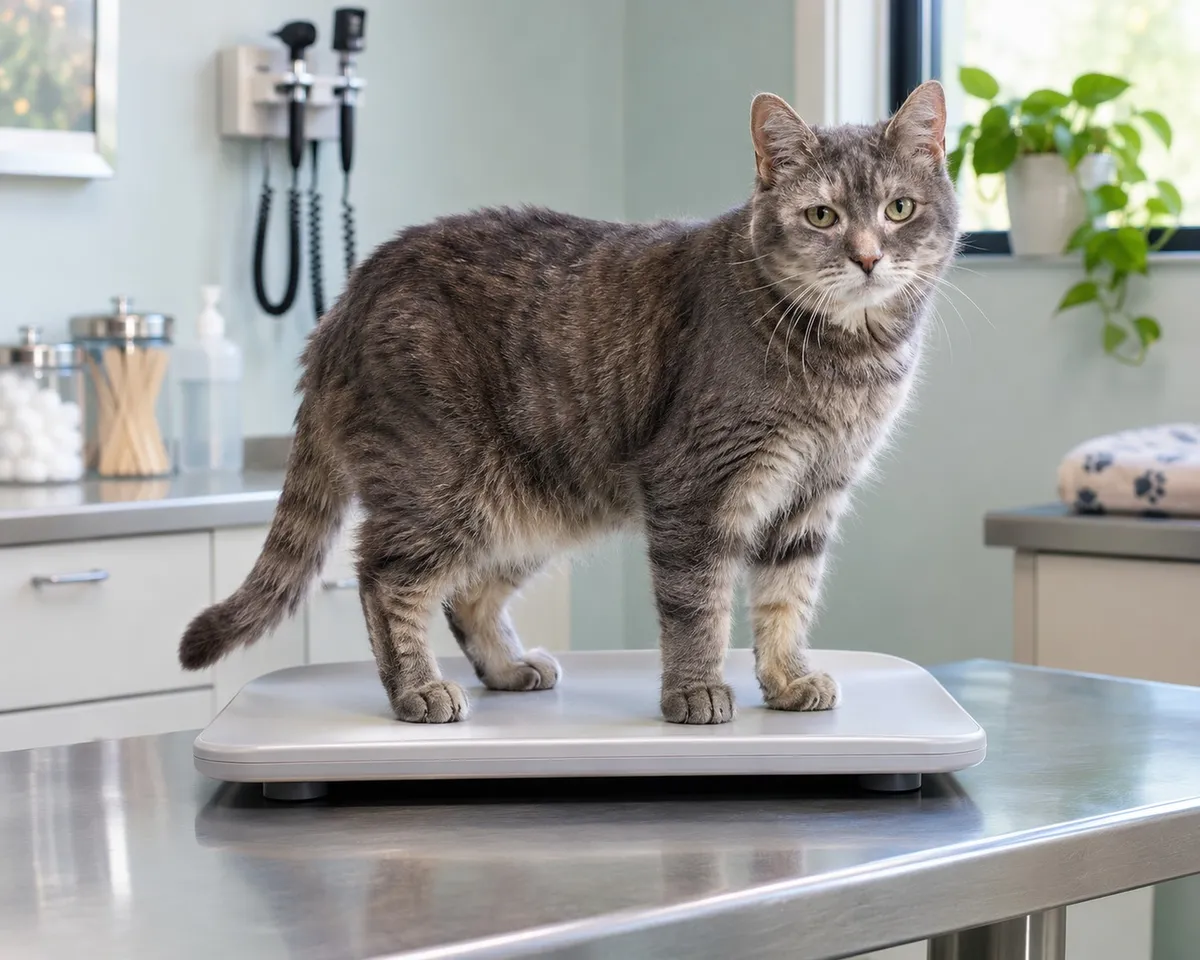
- Weigh your cat on a digital pet scale each week, before breakfast.
- Record the number in grams or ounces, since small changes matter.
- Feel the ribs and spine, which feel sharp in underweight cats.
- Note appetite, water intake, and litter clumps beside each weight.
A 1-pound loss in a 10-pound cat equals 10 percent of body weight. Vets use a 9-point body condition score, where 5 is ideal and 1 to 3 is underweight.
Why Is My Cat Losing Weight So Fast? What Your Vet Will Check
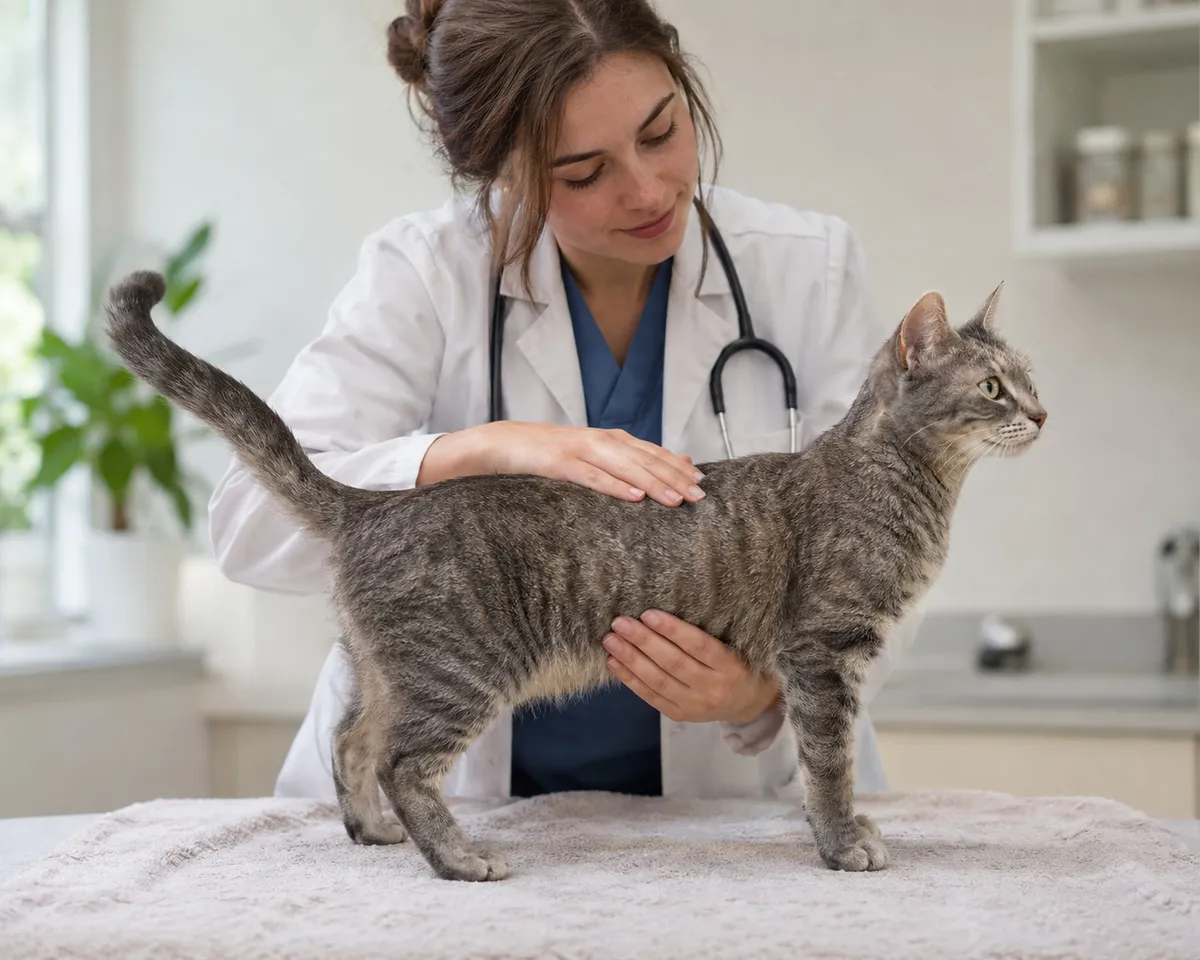
A vet diagnoses rapid weight loss with a physical exam and a few standard tests.
- Physical and dental exam
- Blood chemistry and complete blood count
- T4 thyroid test
- Urinalysis for kidney disease and diabetes
- Fecal test for parasites
- X-rays or ultrasound for tumors
The Cornell Feline Health Center describes hyperthyroidism as the most common hormonal disorder in older cats. Cats over 10 benefit from twice-yearly exams as part of senior cat care.
Helping a Thin Cat Regain Weight Safely
Weight regain starts with treating the cause, then adding appealing, easy calories.
- Offer 4 to 6 small meals daily instead of 2 large ones.
- Warm wet food to body temperature to boost aroma.
- Switch foods gradually over 7 to 10 days.
- Use an automatic microchip feeder so a pushy housemate cannot steal food.
- Ask your vet for a calorie target based on how much to feed a cat.
Frequently Asked Questions
Why is my cat losing weight but still eating?
Hyperthyroidism, diabetes, and intestinal parasites are the top reasons a cat eats normally yet loses weight. A blood test and fecal exam usually find the cause.
How much weight loss is concerning in a cat?
A 10 percent loss, such as 1 pound in a 10-pound cat, needs a vet visit. Senior cats deserve attention even at 5 percent.
Is it normal for older cats to lose weight?
Noticeable weight loss is not a normal part of aging in cats. Most senior cats losing weight have a treatable condition like kidney disease.
How long can a cat go without eating?
A cat should not go more than 24 to 48 hours without food. After 2 to 3 days, cats risk hepatic lipidosis.
Can stress make a cat lose weight?
Yes, a move or new pet can cause weight loss within weeks. Loss lasting over 2 weeks still needs a vet check.
If you keep wondering why is my cat losing weight, treat the change as a health signal, not a phase. Hyperthyroidism, diabetes, kidney disease, and dental pain cause most cases. Weigh your cat this week and book a vet exam if the loss reaches 10 percent.