


Tuxedo Cat: 7 Essential Facts About This Classic Black-and-White Cat
This post may contain affiliate links. As an Amazon Associate I earn from qualifying purchases.
A tuxedo cat is any cat with a black and white coat in a formal pattern: a mostly black body with a white chest, belly, and paws. Tuxedo describes a coat pattern, not a breed, so it matters for owners who want to know what these cats are really like and how to care for them.
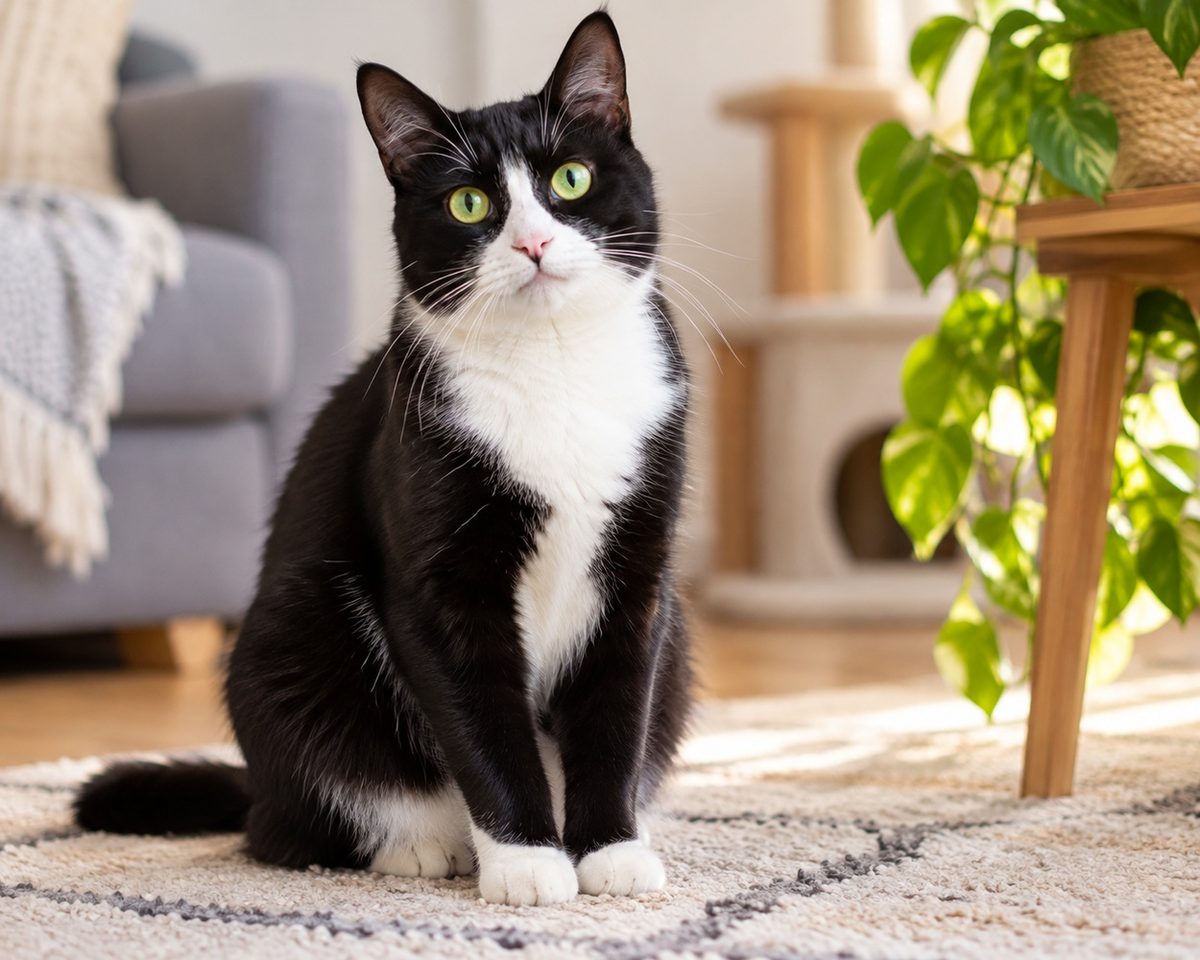
Table of Contents
Tuxedo cat at a glance:
- Short Answer: A tuxedo cat is a bicolor cat with black fur and white markings, found in many breeds and in mixed-breed cats.
- Genetic Cause: The white spotting gene covers parts of a black coat with white fur.
- Temperament: Personality depends on the individual cat, not on the coat pattern.
- Grooming Needs: Most tuxedo cats have short hair and need weekly brushing, while longhaired ones need brushing every 1 to 2 days.
- Common Myth: No scientific study proves that tuxedo cats are smarter or friendlier than other cats.
What Is a Tuxedo Cat?
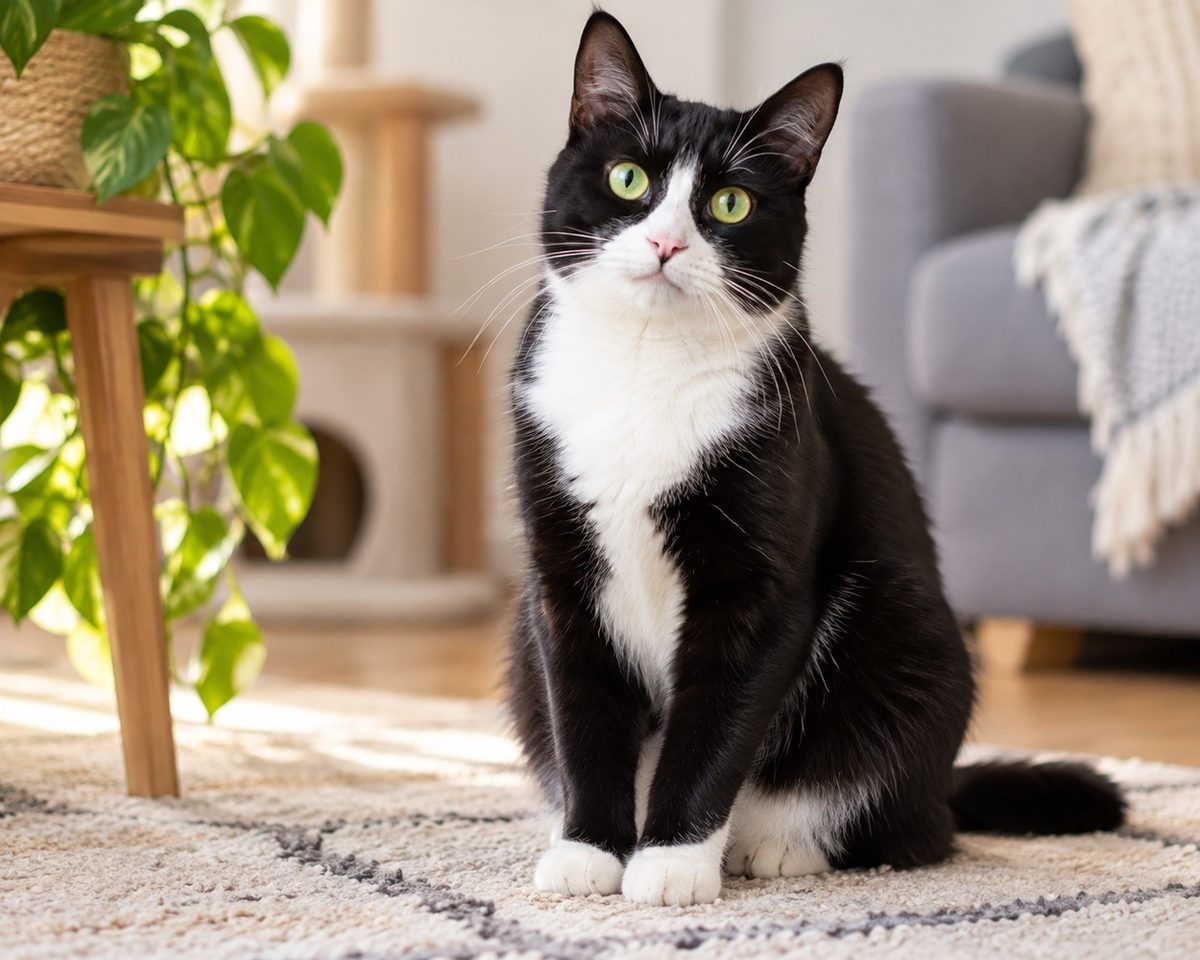
A tuxedo cat is a bicolor cat whose black coat is broken up by white patches on the chest, belly, paws, and often the chin. The pattern looks like a formal suit, which is where the name comes from.
Tuxedo cats are not a breed. The pattern shows up in domestic shorthairs, domestic longhairs, Maine Coons, Turkish Angoras, Persians, and many other cats. Most tuxedo cats are mixed-breed cats found in shelters.
The classic look includes several features:
- A solid black back, head, and tail
- A white bib or chest patch
- White front and back paws, often called mittens or socks
- A white muzzle or chin, sometimes with a white blaze up the nose
- Green, yellow, or gold eyes in most cats
Some tuxedo cats have extra white, such as a white belly stripe or a white tail tip. Others have only a tiny white spot on the chest. All of these still count as the tuxedo pattern, as long as the cat is mostly black with white accents.
How Tuxedo Cat Coats Get Their Pattern
The tuxedo cat pattern comes from the white spotting gene, which blocks pigment cells from reaching certain parts of the body as the kitten develops in the womb. Where pigment cells never arrive, the fur grows white.
The base color is black, so the cat carries genes for black fur plus the white spotting gene. The amount of white varies widely from cat to cat. This is why one tuxedo cat has a tiny white locket while another has white from nose to belly.
Several points about this genetics explain what owners see:
- The white spotting gene is dominant, so one copy is enough to create white patches.
- The cat does not choose where white appears, because the pattern is set before birth.
- Two tuxedo parents can have kittens that are fully black, fully white, or tuxedo.
- Kittens may be born with pink paw pads where fur is white and dark pads where fur is black.
Eye color is controlled by separate genes. White spotting can sometimes affect the eyes when white covers the head, but most tuxedo cats have normal green or yellow eyes.
Are Tuxedo Cats a Breed? Breed vs. Coat Pattern
No, a tuxedo cat is not a breed, because breed is defined by body type, bone structure, and temperament, while tuxedo describes only color. Any bicolor black and white cat qualifies.
This explains why tuxedo cats vary so much in size and looks. A tuxedo Maine Coon can weigh 12 to 18 pounds with long fur. A tuxedo domestic shorthair usually weighs 8 to 12 pounds with a sleek coat.
When adopting, you will usually see these cats listed as “domestic shorthair, black and white.” Shelters often use that wording rather than “tuxedo.” If you want a tuxedo cat, ask staff to show you their black and white bicolor cats.
Related coat patterns can confuse people, so here is a quick guide to how they compare:
| Pattern | Main Colors | Key Difference |
|---|---|---|
| Tuxedo | Black and white | Mostly black with white chest, paws, and chin |
| Cow cat | Black and white | Large irregular patches of black and white |
| Van pattern | Black and white | Mostly white with color only on head and tail |
| Harlequin | Black and white | Mostly white with several large black patches |
| Solid black | Black only | No white fur at all |
Tuxedo Cat Personality: Myth vs. Reality
Tuxedo cats do not share a single personality, because coat color does not set temperament in cats. Behavior is shaped by genetics from the parents, early socialization, and the home environment.
Many owners describe their tuxedo cats as talkative, social, and playful. That reputation is based on stories, not research. When my own tuxedo cat greeted me at the door every evening, I assumed it was the coat, but a friend’s tuxedo cat was shy and slow to warm up.
What does shape a cat’s personality includes:
- Genetics: A friendly father often passes on a friendly temperament.
- Early handling: Kittens handled gently between 2 and 7 weeks tend to grow into more confident adults.
- Breed background: A tuxedo Maine Coon often acts differently from a tuxedo Siamese mix.
- Environment: Cats in calm homes with play and routine tend to show fewer stress behaviors.
If you want an outgoing cat, spend time with the individual cat before adopting. Watch how a tuxedo cat reacts to touch, noise, and play. If you are still choosing, our guide to cat breeds and how to pick the best one to adopt can help you match temperament to your household.
Tuxedo Cat Grooming and Coat Care
Most tuxedo cats need only light grooming, because the majority have short, dense coats. A weekly brushing removes loose hair and keeps the black fur shiny.
Longhaired tuxedo cats, such as those with Maine Coon or Persian ancestry, need brushing every 1 to 2 days to prevent mats. A slicker brush works well for longer fur, and our review of the best cat brush for short hair shedding covers options for shorter coats.
Black fur shows some things more clearly than other coat colors:
- Dander and dust: White flakes stand out against black fur and may signal dry skin or poor grooming.
- Sun fading: A black coat can turn rusty brown after hours of sunbathing, which is harmless.
- Stains on white patches: White chin and chest fur can show food stains or tear marks.
- Shedding: Black hairs show clearly on light furniture, so regular brushing helps.
Wipe food residue from white chin fur with a damp cloth after meals. Frequent chin staining or black specks on the chin can point to feline acne, which is worth a vet visit. For a full routine, see our cat grooming guide with best tips and advice.
Common Health Concerns in Tuxedo Cats
Tuxedo cats are generally healthy, and their coat pattern does not cause specific diseases. Their health risks depend on breed background, age, diet, and lifestyle, just like any other cat.
Here are the areas where owners of black and white cats should stay alert:
- Skin exposure: White ears and noses can sunburn, so cats who sunbathe at windows deserve a shaded spot.
- Dental disease: Most adult cats develop some dental disease by age 3, so tooth care matters for every coat color.
- Weight gain: Indoor cats of any color gain weight easily, so measure portions carefully.
- Urinary problems: Cats that strain or pass blood in urine need prompt vet care.
Cats with large amounts of white on the head may have a higher chance of deafness, but this mostly applies to cats with blue eyes and fully white heads. A typical tuxedo with a black head and green or yellow eyes is not at higher risk.
If your cat shows changes in eating, litter box habits, or energy, call a veterinarian. The Cornell Feline Health Center offers reliable information on common feline conditions. Schedule routine check-ups once a year, as covered in our guide on regular veterinary check-ups for cats.
Feeding and Daily Care for a Tuxedo Cat
A tuxedo cat needs the same nutrition as any other cat: a high-protein, meat-based diet with measured portions. Adult cats of about 10 pounds typically need around 200 to 250 calories a day, though activity level changes this.
Good daily habits keep a tuxedo cat healthy for a long time:
- Feed measured meals twice a day or use a timed feeder rather than leaving food out all day.
- Offer fresh water daily, and consider a cat water fountain to encourage drinking.
- Scoop the litter box once or twice a day and keep it in a quiet place.
- Play for 10 to 15 minutes twice a day with a feather wand toy.
- Provide a tall cat tree so your cat can climb and watch the room.
For portion help, read our guide on how much to feed a cat. If your tuxedo cat gets bored indoors, our tips on keeping an indoor cat entertained offer practical play ideas.
Tuxedo kittens need more food and more meals. Kittens under 6 months eat three to four small meals a day. Our kitten care essentials guide covers feeding, vaccines, and setup for new owners.
Famous Tuxedo Cats and Cultural Meaning
Tuxedo cats appear often in books, cartoons, and film, which has helped make them popular. Sylvester from Looney Tunes and Felix the Cat are classic tuxedo characters. The pattern is simple, recognizable, and easy to draw.
Black and white cats have also long been called lucky in some cultures. Many people enjoy the formal look and the nicknames that come with it, such as “Mr. Fancy” or “Oreo.” If you are searching for a name, our list of black cat names with 150 ideas includes plenty that suit a tuxedo cat.
Tuxedo cats are also common in shelters. Because the pattern appears in so many mixed-breed litters, black and white cats are easy to find and often ready for adoption. Consider adopting an adult tuxedo, since adults have established personalities and are often overlooked.
Frequently Asked Questions
Are tuxedo cats rare?
No, tuxedo cats are common, and they make up a large share of domestic cats and shelter cats. The white spotting gene is widespread, so black and white bicolor kittens appear in many litters.
Are tuxedo cats male or female?
Tuxedo cats can be either sex, because the black and white pattern is not tied to the X chromosome. This differs from tortoiseshell and calico cats, which are almost always female.
How long do tuxedo cats live?
Tuxedo cats typically live 12 to 18 years, the same as other domestic cats. Indoor cats with good nutrition, dental care, and yearly vet visits often reach the upper end of that range.
Do tuxedo cats shed a lot?
Tuxedo cats shed at a moderate level, with more hair loss in spring and fall. Black fur shows clearly on furniture, but brushing once or twice a week keeps loose hair under control.
Is a tuxedo cat a good pet for families?
A tuxedo cat can be a great family pet, but the fit depends on the individual cat’s temperament. Meet the cat first, check how it handles children and noise, and choose based on personality instead of coat.
A tuxedo cat is a coat pattern that gives cats a formal black and white look, and each cat’s care and personality depend on the individual. Brush regularly, feed measured portions, and book a yearly vet check. If you are ready to adopt, visit a local shelter and meet a few black and white cats in person.

