Cat UTI Symptoms: 7 Warning Signs and When to Act
Cat UTI symptoms include frequent litter box trips, straining, tiny urine clumps, bloody urine, and peeing outside the box. These signs matter most for male cats, whose narrow urethra can block within hours, and for cats over 10 with diabetes or kidney disease.
This post may contain affiliate links. As an Amazon Associate I earn from qualifying purchases.
Table of Contents
Cat UTI symptoms at a glance:
- Short Answer: Frequent, painful, small urinations, often with blood or accidents outside the box.
- Most Common Causes: Idiopathic cystitis, bladder stones, and bacterial infection in older cats.
- Urgency: See a vet within 24 hours, or an emergency vet now if the cat strains without producing urine.
- What to Do at Home: Count litter box visits, offer wet food, and keep water fresh.
- When to See a Vet: Any urinary change lasting over a day, or any male cat straining in the box.
The 7 Most Common Cat UTI Symptoms
Cat UTI symptoms show up as changes in how often, how much, and where a cat urinates. Most cats show two or more signs at once.
- Frequent litter box trips: Several visits an hour with very little urine.
- Straining: Long squatting that owners often mistake for constipation.
- Small urine clumps: Coin-sized clumps instead of the usual palm-sized ball.
- Bloody urine: Pink, red, or brown urine, explained in our guide to blood in cat urine.
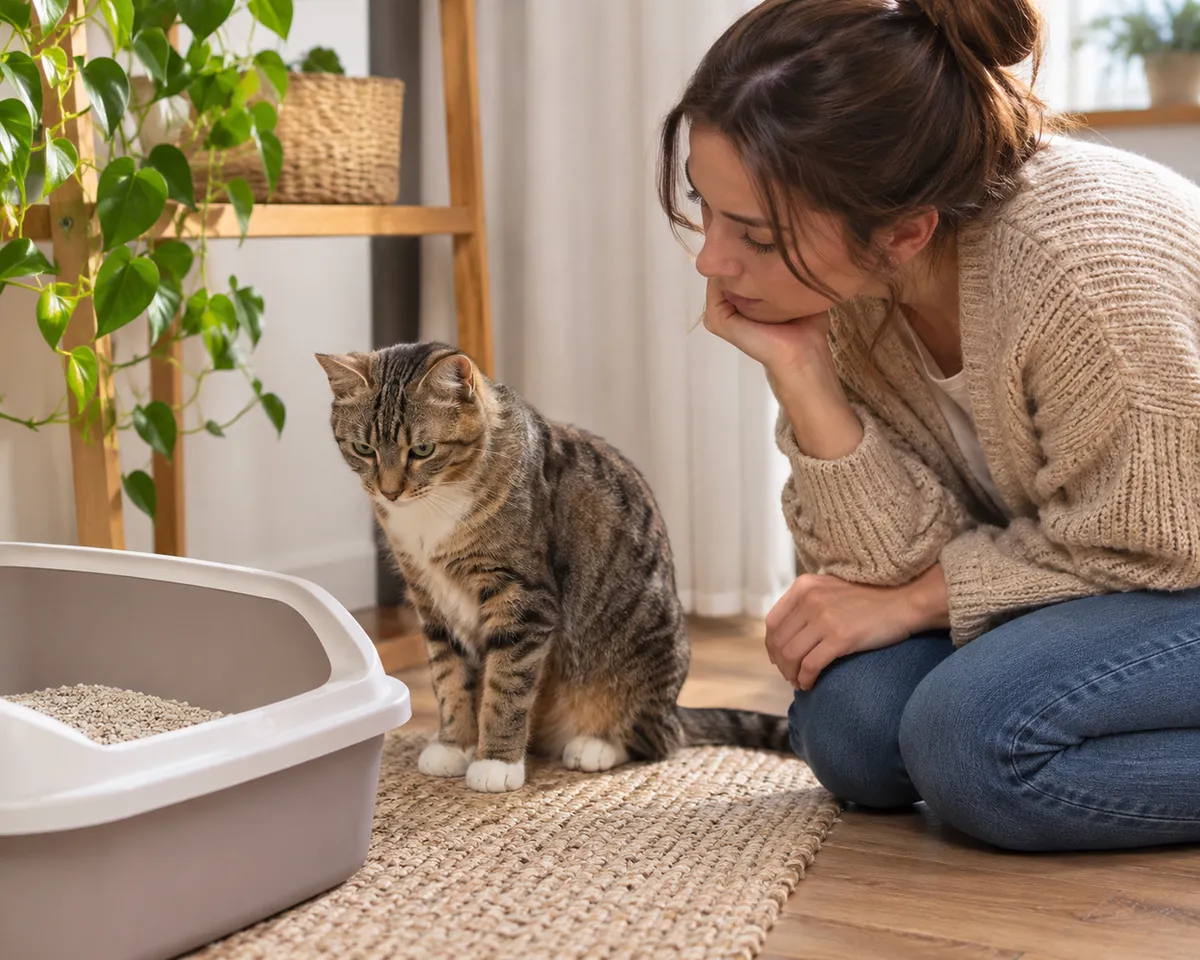
- Peeing outside the box: Painful cats choose cool surfaces like sinks, tubs, and tile floors.
- Crying while urinating: Vocalizing in the litter box signals burning pain.
- Excessive genital licking: Constant licking is a cat’s attempt to soothe urinary irritation.
When my cat first showed cat UTI symptoms, I blamed fussiness for his box visits every few minutes. A urine test showed crystals and inflammation, and he recovered within a week of treatment.
Cat UTI Symptoms vs Urinary Blockage: When to Act
A urinary blockage is a life-threatening emergency, while a simple UTI is urgent but rarely fatal. A fully blocked cat can die within 24 to 72 hours from kidney failure and high potassium levels.
| Sign | Likely Meaning | Urgency |
|---|---|---|
| Frequent small pees, urine still flowing | UTI or cystitis | Vet within 24 hours |
| Blood in urine, cat still eating | UTI, stones, or cystitis | Vet within 24 hours |
| Accidents outside the box only | Early UTI or stress | Vet within 1-2 days |
| Straining with no urine produced | Urethral blockage | Emergency vet now |
| Vomiting or lethargy with straining | Advanced blockage | Emergency vet now |
Never give a cat human pain relievers or leftover antibiotics, because acetaminophen and ibuprofen are toxic to cats. Hunching and hiding are other signs your cat is in pain.
What Causes Cat UTI Symptoms
True bacterial UTIs are uncommon in young cats and more frequent in cats over 10 years old. The Cornell Feline Health Center groups these conditions under feline lower urinary tract disease.
- Bladder inflammation: Feline idiopathic cystitis, inflammation without infection, is the top cause in cats under 10.
- Stones and crystals: Struvite and calcium oxalate bladder stones in cats irritate the bladder and can block the urethra.
- Bacterial infection: Diabetes, kidney disease, and hyperthyroidism dilute urine and weaken defenses against bacteria.
- Low water intake: Dry food diets produce concentrated urine that favors crystals.
- Stress: Moves, new pets, and litter changes trigger cystitis flare-ups.
How Vets Diagnose and Treat a Cat UTI
A vet confirms what drives cat UTI symptoms with a urinalysis and, ideally, a urine culture. Culture results identify the exact bacteria within 2 to 3 days.
- Imaging: X-rays or ultrasound check for stones and bladder thickening.
- Bloodwork: Blood tests screen older cats for kidney disease and diabetes.
- Treatment: Vets prescribe antibiotics for confirmed infections, plus cat-safe pain relief and diet changes.
Most treated cats feel better within 2 to 3 days, but owners must finish the full prescribed course. VCA Animal Hospitals explains that blocked cats need a urinary catheter and hospital care.
Home Care and Prevention Tips
Home care eases cat UTI symptoms only alongside veterinary treatment, and the same habits prevent repeat episodes.
- Boost hydration: Wet food holds about 75% moisture versus roughly 10% in kibble. A cat water fountain encourages extra drinking; read more about dehydration in cats.
- Keep boxes clean: Scoop at least daily and provide one box per cat plus one.
- Monitor urine: A health-monitoring cat litter changes color with abnormal pH or blood.
- Reduce stress: Offer hiding spots, steady routines, and two 10-minute play sessions daily.
- Recheck urine: Ask your vet about a follow-up urine test 1 to 2 weeks after treatment.
Frequently Asked Questions
How long do cat UTI symptoms last with treatment?
Most cats improve within 48 to 72 hours of starting vet-prescribed antibiotics. Signs lasting beyond 3 days need a recheck for stones or resistant bacteria.
Can a cat UTI go away on its own?
Bacterial infections rarely clear without antibiotics, although idiopathic cystitis episodes often settle within 5 to 7 days. A vet exam is still needed to rule out a blockage.
Are male cats more likely to get urinary problems?
Male cats face a much higher risk of urethral blockage because their urethra is longer and narrower. Female and senior cats develop bacterial infections more often.
How do I know if my cat’s UTI is an emergency?
A cat that strains and produces little or no urine needs emergency care immediately. Vomiting, lethargy, or a painful belly alongside straining also signal a blockage.
Can dry food cause urinary problems in cats?
Dry food does not cause infection, but its 10% moisture leads to concentrated urine. Concentrated urine raises the risk of crystals, stones, and cystitis.
Cat UTI symptoms such as straining, frequent small pees, and bloody urine deserve a vet visit within 24 hours. A male cat straining without producing urine is an emergency that cannot wait. Start today by counting your cat’s litter box visits and adding more wet food to support healthy hydration.