

Chicken Allergy in Cats: 7 Signs and Best Diet Swaps
Chicken allergy in cats is an immune reaction to chicken protein that causes year-round itching, scabs, ear problems or digestive upset, and it improves only when all chicken leaves the diet. It matters most for cats whose itching ignores the seasons or whose stool stays soft despite good flea control.
This post may contain affiliate links. As an Amazon Associate I earn from qualifying purchases.
Table of Contents
Chicken allergy in cats at a glance:
- Short Answer: Cats react to chicken proteins, usually after eating chicken for months or years.
- Most Common Signs: Itchy head and neck, scabs, overgrooming, ear infections, vomiting and diarrhea.
- Urgency: Rarely an emergency, but facial swelling or breathing trouble needs a vet immediately.
- What to Do at Home: Stop chicken treats and keep a daily symptom diary.
- When to See a Vet: Book a visit if itching or loose stool lasts over 2 weeks.
What Is Chicken Allergy in Cats?
Chicken allergy in cats happens when the immune system mistakes chicken protein for a threat and inflames the skin or gut. The Cornell Feline Health Center lists chicken, beef, fish and dairy among the proteins most often linked to feline food allergies.
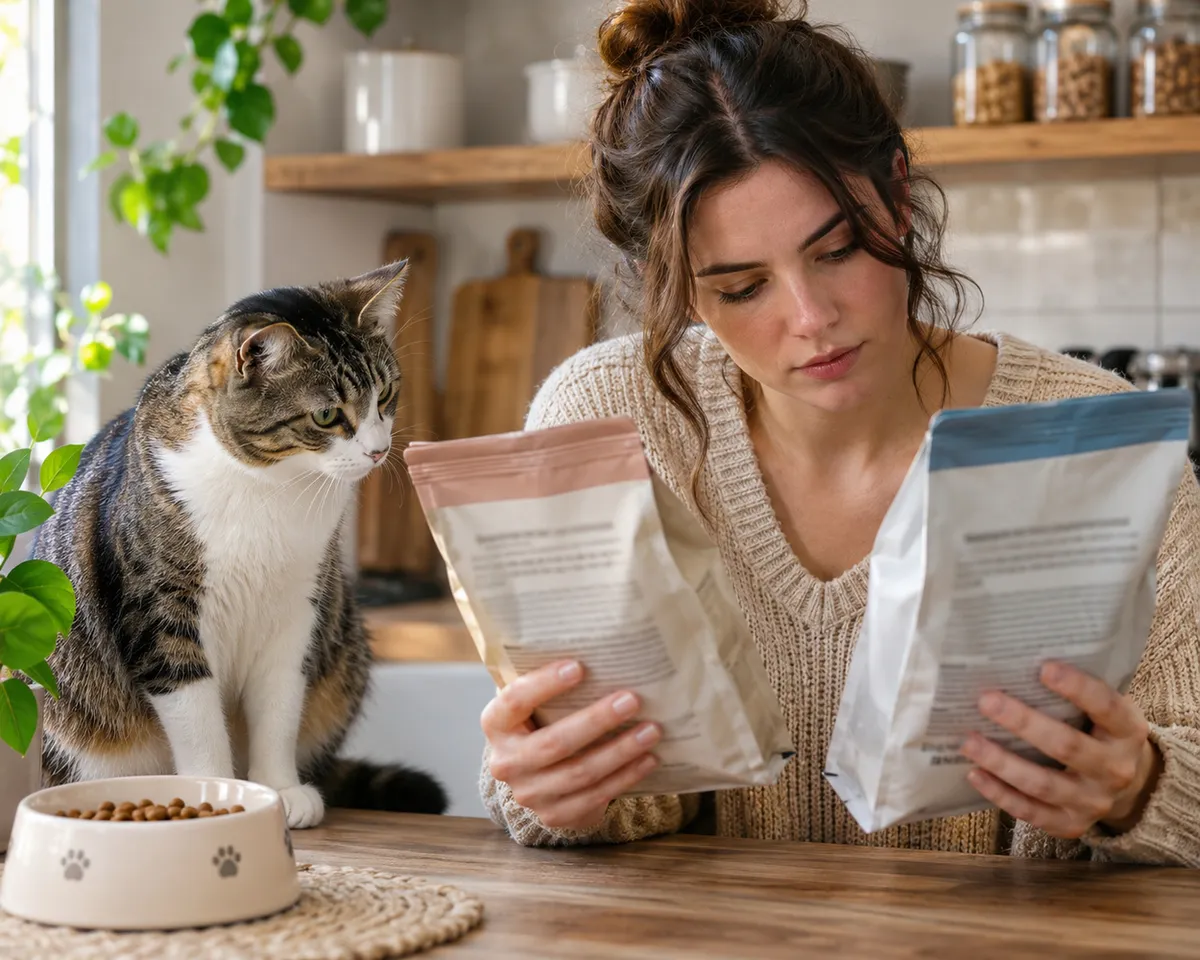
Cats usually develop a food allergy after eating the same protein for a long time. When my cat started scratching her neck raw at age six, I blamed fleas first, but her chicken kibble was the trigger.
Our overview of allergies in cats helps you rule out fleas and pollen as other causes of itching.
7 Signs of Chicken Allergy in Cats
The clearest clue of chicken allergy in cats is itching that continues all year, because food allergies do not follow pollen seasons.
- Itchy head and neck: Cats scratch hardest around the ears, chin and neck.
- Crusty scabs: Tiny bumps called miliary dermatitis cover the neck and back.
- Overgrooming: Cats lick bald patches on the belly, thighs or legs.
- Recurring ear infections: Red, waxy ears return soon after treatment ends.
- Frequent vomiting: Some allergic cats vomit several times per week.
- Soft stool: Stools stay loose and may come more often than usual.
- Broken skin: Scratch wounds can develop secondary bacterial infections.
Constant ear scratching has other causes too, covered in our guide to cat itchy ears.
How Vets Diagnose Chicken Allergy in Cats
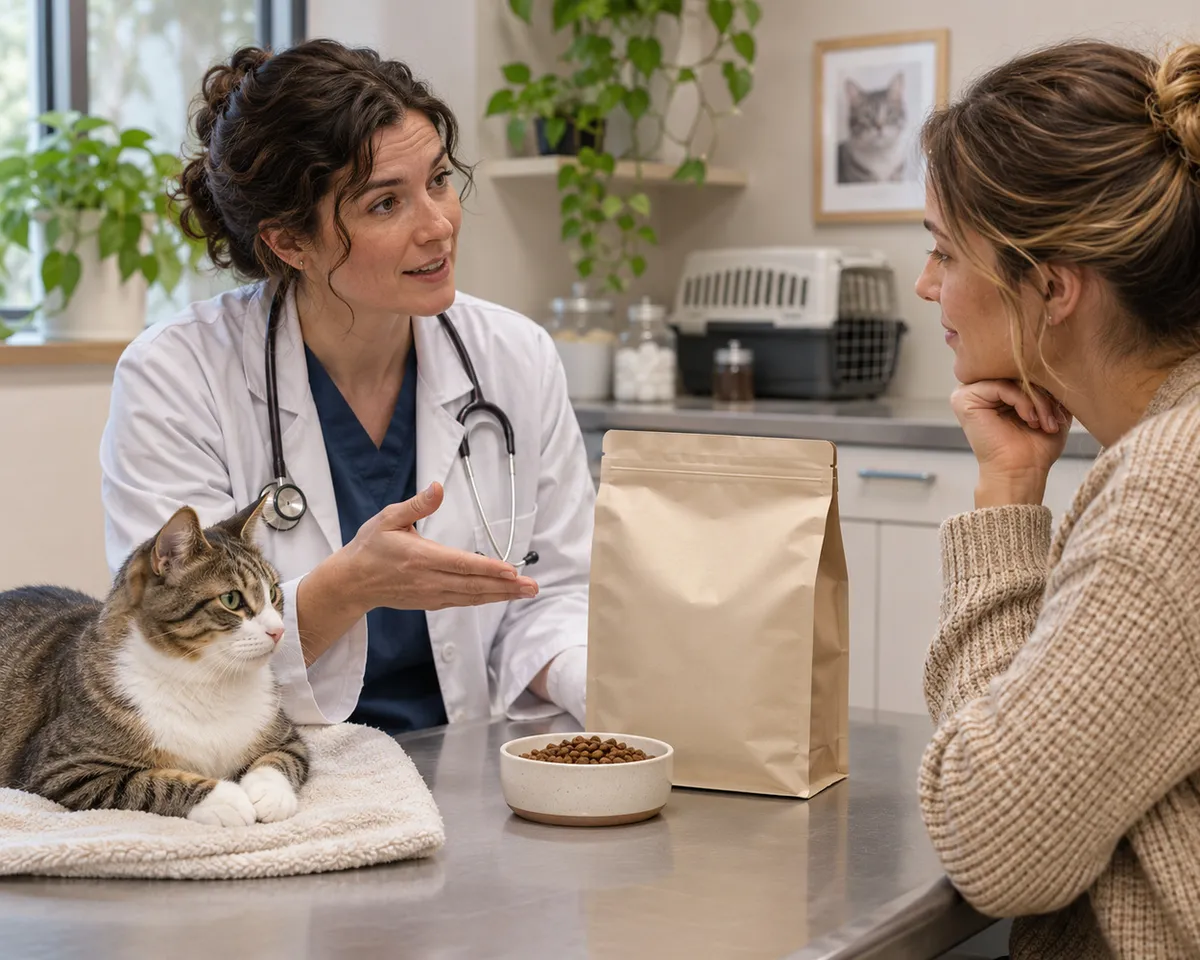
An elimination diet trial lasting 8 to 12 weeks is the only reliable way to diagnose a food allergy in cats. Blood and skin tests give unreliable results for food allergies, according to VCA Animal Hospitals.
- Your vet rules out fleas, mites and skin infections first.
- Your cat eats only a chicken-free diet for 8 to 12 weeks.
- You record itching, vomiting and stool quality every week.
- If signs improve, your vet reintroduces chicken as a food challenge.
- Signs returning within about 2 weeks confirm the allergy.
Best Diet Swaps for a Cat Allergic to Chicken
The best diet swaps use a hydrolyzed protein or a novel protein your cat has never eaten. A hydrolyzed protein cat food breaks protein into pieces too small for the immune system to recognize, making it the first choice for diet trials.
A limited ingredient novel protein cat food uses one unfamiliar protein, such as rabbit or venison, with very few other ingredients.
| Protein Option | Risk for Chicken-Allergic Cats | Notes |
|---|---|---|
| Hydrolyzed protein | Very low | Vet-prescribed, ideal for trials |
| Rabbit | Low | Common novel protein |
| Venison | Low | Rare in standard cat food |
| Duck | Moderate | Poultry proteins can cross-react |
| Turkey | Moderate to high | Closely related to chicken |
| Beef or fish | Moderate | Common allergens themselves |
Compare more formulas in our guide to cat food for cats with allergies.
Hidden Chicken Sources and Home Care
Hidden chicken is the most common reason a diet trial fails, because chicken appears in foods not labeled chicken flavor.
Check these items:
- Fish or beef canned foods listing chicken broth or poultry meal.
- Treats, dental chews and pill pockets.
- Flavored medications and chewable supplements.
- Another pet’s food, so feed cats in separate rooms.
Ask your vet before adding probiotics for cats during a trial, since many contain poultry flavoring. Switch foods gradually over 7 to 10 days unless your vet advises otherwise.
When to See a Vet for Chicken Allergy in Cats
Always work with a veterinarian before starting a diet trial, because itching and diarrhea share causes with parasites, infections and bowel disease.
Go to a vet immediately if your cat shows:
- Swelling of the face, lips or eyelids.
- Difficulty breathing or open-mouth breathing.
- Repeated vomiting or bloody diarrhea.
- Refusal to eat for more than 24 hours.
Never give your cat human antihistamines or steroids, because human products can harm cats. Your vet can prescribe safe relief, explained in our guide to allergy meds for cats.
Frequently Asked Questions
Is chicken allergy in cats common?
Yes, chicken is one of the most frequent food allergens in cats, alongside beef, fish and dairy.
Can a cat suddenly become allergic to chicken?
Yes, cats can develop a chicken allergy at any age, often after eating chicken for years without problems.
How long does it take for chicken allergy symptoms to go away?
Digestive signs often settle within 2 weeks of a strict chicken-free diet, while skin signs can take 8 weeks or longer.
Is chicken fat safe for cats allergic to chicken?
Many allergic cats tolerate pure chicken fat because allergies target protein, but vets usually remove it during the 8 to 12 week trial.
Is turkey safe for cats allergic to chicken?
Turkey is risky because poultry proteins are closely related, so many vets avoid turkey and duck during the first trial.
Chicken allergy in cats causes year-round itching, scabs, ear problems and digestive upset, and the proven fix is removing every source of chicken. A vet-guided elimination diet of 8 to 12 weeks confirms the trigger and the right protein swap. Start today by writing down your cat’s signs and checking every treat label for chicken.