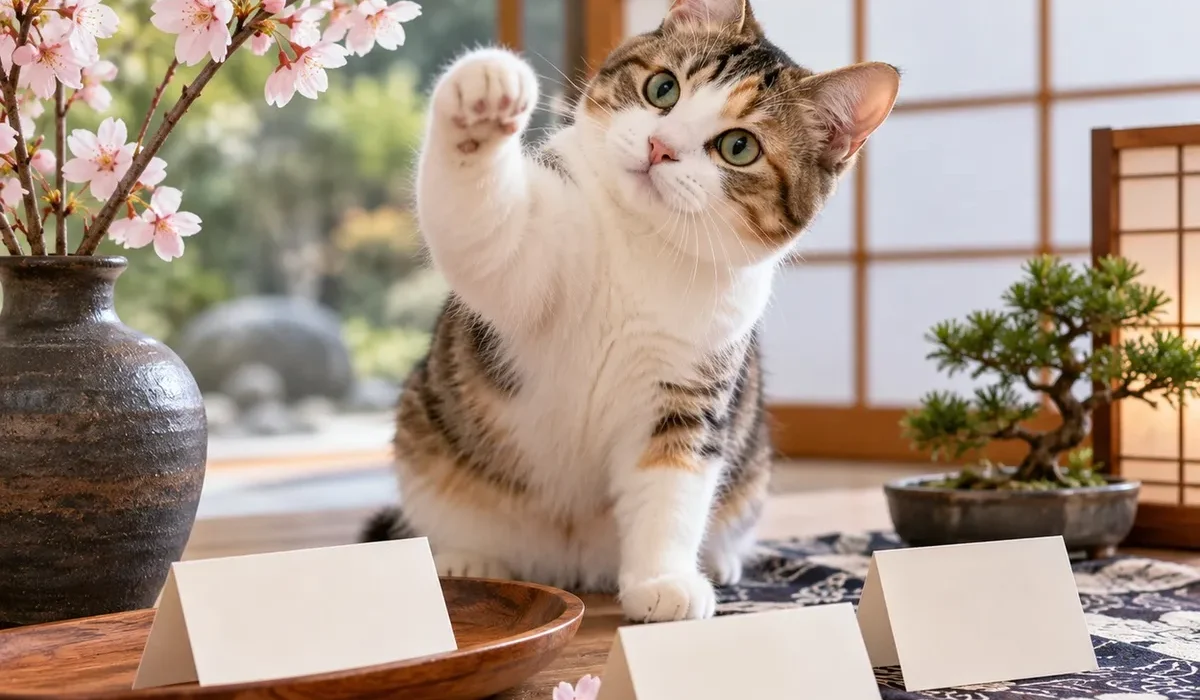
Japanese Cat Names: 150 Cute Ideas With Their Meanings
Japanese cat names are short, melodic words drawn from nature, food, color, and folklore that suit a cat’s personality beautifully. They matter most for owners who want a meaningful name with a clear, easy sound that a cat can learn quickly.
This post may contain affiliate links. As an Amazon Associate I earn from qualifying purchases.
Table of Contents
Japanese cat names at a glance:
- Short Answer: Pick a one- to three-syllable Japanese word, such as Mochi, Sakura, or Kuro, that fits your cat’s looks or personality.
- Best Sound: Names ending in a vowel (-a, -i, -o) are easy for cats to hear and respond to.
- Main Categories: Food, nature, color, mythology, and traditional names for boys and girls.
- Common Mistake: Choosing a long name or one that sounds like a command word, like “Kai” versus “No”.
- Quick Tip: Check the meaning and pronunciation before you commit, since some words have multiple meanings.
Why Japanese Cat Names Work So Well
Japanese words are built from simple syllables that each end in a clear vowel, which makes them naturally easy to say and hear. Cats respond best to names of one to three syllables with a bright, high-pitched sound, and most Japanese names fit that pattern perfectly.
Cats also hear higher frequencies far better than humans do. Names such as Kiki, Mimi, and Momo carry repeated sounds that stand out clearly when you call your cat from another room.
Japanese culture also has a long, warm relationship with cats. The maneki-neko, or “beckoning cat,” is a famous symbol of good luck, so a Japanese name feels like a natural fit for a well-loved pet. If you are still weighing styles, our list of unique cat names shows how other themes compare.
How to Choose the Right Japanese Cat Names
The best Japanese name matches something you can see or feel in your cat every day. Before you pick, run through these simple checks:
- Say the name aloud ten times in a cheerful voice and make sure it feels natural.
- Keep it to two syllables if possible, because shorter names are learned faster.
- Avoid names that sound like other words your household uses often.
- Look up the meaning and kanji, since some Japanese words carry more than one meaning.
- Test the name for two or three days and watch whether your cat turns toward the sound.
Most cats learn a new name within one to two weeks when you pair it with treats or a gentle pet. A small bag of soft cat treats is handy for this kind of name training.
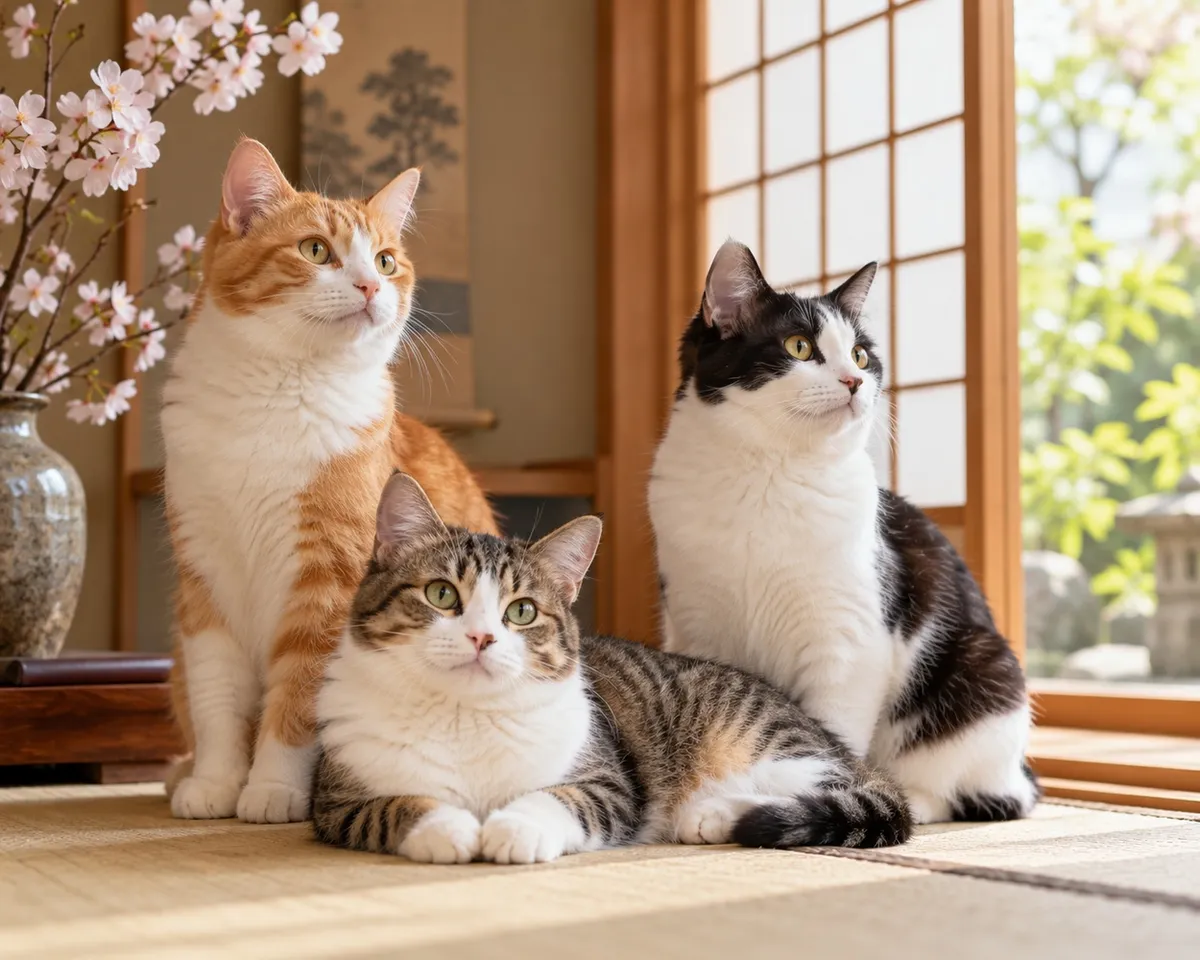
Japanese Cat Names Inspired by Food
Food names are among the most popular choices for cats because they are cute, short, and full of personality. Many of these also suit round, fluffy, or soft-coated cats.
- Mochi: sticky rice cake, perfect for a soft, round cat
- Mochi-chan: a more affectionate form of the same name
- Dango: sweet rice dumpling
- Sushi: the famous rice and fish dish
- Wasabi: green horseradish, great for a spicy, energetic cat
- Miso: fermented soybean paste, ideal for a tan or cream cat
- Tofu: soybean curd, suits a white or pale cat
- Ramen: noodle soup, fits a curly or wavy-coated cat
- Onigiri: rice ball
- Tempura: crispy fried food, good for a golden cat
- Matcha: powdered green tea
- Azuki: sweet red bean
- Kinako: roasted soybean flour
- Anko: sweet bean paste
- Daifuku: soft rice cake with filling
- Ume: Japanese plum
- Yuzu: a fragrant citrus fruit
- Kuri: chestnut, lovely for a brown cat
- Goma: sesame, fits a speckled or black cat
- Nori: dried seaweed, a natural pick for a dark cat
Japanese Cat Names for Girls
Female Japanese names often come from flowers, jewels, and gentle natural images. These names are soft in sound and easy to call out around the house.
- Sakura: cherry blossom
- Hana: flower
- Yuki: snow
- Hoshi: star
- Aiko: beloved child
- Akari: light
- Ayame: iris flower
- Chiyo: a thousand generations
- Emi: blessed beauty
- Haru: spring
- Hikari: shining light
- Himari: sunflower
- Kaori: fragrance
- Kasumi: mist
- Kiku: chrysanthemum
- Kimi: noble
- Mei: bud or sprout
- Mika: new moon
- Miyu: beautiful gentleness
- Nana: seven
- Rin: dignified
- Sora: sky
- Suzu: bell
- Tsuki: moon
- Yumi: beautiful bow
If you want even more options for a female kitty, browse our guide to female cat names for additional styles beyond Japanese.
Japanese Cat Names for Boys
Male Japanese names often reflect strength, courage, and the natural world. They sound bold without being harsh, which suits playful and confident cats.
- Kai: ocean
- Taro: firstborn son
- Ren: lotus
- Hiro: generous or wide
- Daichi: great earth
- Haruto: sun flying
- Isamu: courage
- Jiro: second son
- Kenji: intelligent second son
- Kenta: healthy and strong
- Kobe: a famous port city
- Makoto: sincerity
- Naoki: honest tree
- Ryu: dragon
- Satoshi: wise
- Shiro: white
- Sota: great and thick
- Takumi: artisan
- Yuto: gentle person
- Zen: meditation or goodness
Looking for more masculine ideas in other styles? Our roundup of boy cat names has 200 strong and cute options.
Japanese Cat Names Based on Color
Color-based names help you match a name to your cat’s coat, which makes it easy to remember and instantly meaningful. This table shows common Japanese color words and the coats they suit best.
| Name | Meaning | Best For |
|---|---|---|
| Kuro | Black | Black cats |
| Shiro | White | White cats |
| Aka | Red | Orange or red tabbies |
| Ao | Blue or green | Blue-grey cats, green eyes |
| Haiiro | Grey | Grey cats |
| Kiiro | Yellow | Cream or golden cats |
| Chairo | Brown | Brown tabbies |
| Momo | Peach | Cream or peach-toned cats |
| Gin | Silver | Silver or smoke coats |
| Kin | Gold | Golden or ginger cats |
| Murasaki | Purple | Cats with lilac tones |
| Midori | Green | Cats with bright green eyes |
For dark coats, our list of black cat names pairs nicely with Japanese choices like Kuro and Nori.
Japanese Cat Names From Nature and Seasons
Nature is central to Japanese language and culture, so seasonal and landscape names feel especially authentic. They also work well for any cat regardless of coat color or sex.
- Kaze: wind, great for a fast, playful cat
- Umi: sea
- Yama: mountain
- Kawa: river
- Ame: rain
- Kumo: cloud, suits a fluffy white or grey cat
- Taiyo: sun
- Tsubaki: camellia flower
- Fuji: the famous mountain
- Natsu: summer
- Aki: autumn
- Fuyu: winter
- Ran: orchid
- Take: bamboo
- Matsu: pine tree
- Ishi: stone
- Hotaru: firefly
- Tora: tiger, ideal for a striped tabby
- Kitsune: fox, good for a clever orange cat
- Neko: the Japanese word for cat
A bright ginger cat might love Tora or Kin, and you can find more ideas in our guide to orange cat names.
Japanese Cat Names From Folklore and Pop Culture
Japanese myths, anime, and games offer a rich pool of dramatic names. These work especially well for cats with big personalities.
- Totoro: the gentle forest spirit from a famous animated film
- Jiji: the black cat from Kiki’s Delivery Service
- Luna: the cat from Sailor Moon
- Kuroneko: literally “black cat”
- Naruto: a famous ninja character
- Sasuke: a rival ninja character
- Goku: the hero of Dragon Ball
- Pikachu: the electric Pokemon mascot
- Sensei: teacher
- Ninja: perfect for a stealthy, quiet cat
- Samurai: a brave warrior
- Ronin: a masterless samurai
- Geisha: an elegant entertainer
- Kami: god or spirit
- Oni: a mischievous demon
Japanese Cat Names for Specific Breeds and Looks
The Japanese Bobtail is the classic breed tied to Japan, known for its short, pom-pom tail and tricolor coat. Japanese cat names like Mi-ke, which means “three fur” and describes the calico pattern, fit these cats perfectly.
For a patchwork coat, see our ideas for calico cat names. If you own a striking wild-looking breed, you might enjoy our article on Bengal cat facts to find a name that matches that bold look.
Fluffy coats often suit soft names like Kumo, Mochi, or Yuki. Sleek, athletic cats look great with Kaze, Ryu, or Ninja.
Tips for Teaching Your Cat Its New Name
Cats learn names through repetition and positive association, not through commands. A consistent routine makes the process quick and stress-free, even with Japanese cat names that are new to your household.
- Say the name in a cheerful, higher voice just before offering a treat or meal.
- Use the name only for positive moments, never for scolding.
- Practice for five minutes, two to three times a day.
- Reward every time your cat looks at you or walks toward you.
- Be patient, since some cats take up to two weeks to respond reliably.
Once your cat knows its name, it becomes easier to teach other skills. You can move on to cat training tricks like sit, high five, and come when called. A thin clicker for cat training can help mark the exact moment your cat responds correctly.
Pronunciation and Meaning Mistakes to Avoid
Japanese pronunciation is simple, but a few details trip up English speakers. Every vowel is pronounced clearly, so “Sakura” sounds like “sah-koo-rah,” not “suh-kyoor-uh.”
- Check double meanings: some short words, like “Kuso” or “Baka,” are insults in Japanese.
- Respect the culture: avoid names tied to religious or sacred figures if you are unsure of the meaning.
- Keep spelling consistent: romanized names can have several spellings, such as Mochi and Mochii.
- Avoid sound-alikes: a name too similar to a family member’s name can confuse both pets and people.
A quick search in a reliable dictionary can save you from an awkward surprise. Choosing from well-researched Japanese cat names also gives you a great story to share with friends and visitors.
For more veterinary guidance, see the Cornell Feline Health Center.
Frequently Asked Questions
What are the best Japanese cat names?
The most popular Japanese cat names include Mochi, Sakura, Kuro, Yuki, and Tora, because they are short, cute, and easy for cats to recognize. Each one has a clear meaning, such as rice cake, cherry blossom, black, snow, and tiger.
What does neko mean in Japanese?
Neko means “cat” in Japanese and is written with a single kanji character. Many owners use Neko or Neko-chan as an affectionate name, and Kuroneko means “black cat.”
How do I choose between Japanese cat names for my cat?
Choose a name of one to three syllables that reflects your cat’s color, personality, or favorite habit. Test your top three choices for two to three days and keep the one your cat responds to most.
Are there Japanese cat names that mean lucky?
Yes, names like Fuku, which means fortune, and Kofuku, which means happiness, are traditional lucky choices. Maneki is also popular, taken from the lucky “beckoning cat” figure seen in many Japanese shops.
Can cats really learn Japanese cat names?
Cats can learn any short name, including Japanese ones, within one to two weeks of consistent practice. Studies of feline behavior show that cats recognize their own name by tone and sound pattern, not by language.
The best Japanese cat names pair a short, vowel-rich sound with a meaning that fits your cat’s coat or personality, from Mochi and Sakura to Kuro and Ryu. Pick your favorite from these 150 ideas, check the pronunciation, and start using it with treats for the first week.