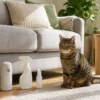

3 Best Allergy Meds for Cat Dander Relief
Loving cats is easy; living with sneezing, itchy eyes, and congestion is not. The best allergy meds for cat dander depend on your symptoms and how often exposure occurs. Cetirizine can suit people wanting a fast-acting oral antihistamine, loratadine is marketed as a non-drowsy oral option when taken as directed, and fluticasone nasal spray targets persistent nasal symptoms.

This post may contain affiliate links. As an Amazon Associate I earn from qualifying purchases.
Table of Contents
This comparison is for human allergy relief only. Never give these products to your cat unless a veterinarian specifically prescribes the exact medicine and dose.
Quick Comparison For Best Allergy Meds for Cat Dander
| Option | Best suited to | Important drawback |
|---|---|---|
| Cetirizine tablets | Sneezing, runny nose and itchy eyes | May cause drowsiness |
| Loratadine tablets | People prioritizing a non-drowsy label | Response varies by person |
| Fluticasone nasal spray | Persistent nasal congestion and inflammation | Requires correct, consistent technique |
1. Cetirizine: Best Fast-Acting Oral Option
Cetirizine, sold under brands such as Zyrtec and as a generic, is a second-generation antihistamine used for sneezing, runny nose, and itchy or watery eyes. The brand states that relief can begin within the first hour and last 24 hours, although individual results differ.
Best for: Adults who want convenient once-daily oral relief. Main drawback: The label warns that drowsiness may occur and that alcohol, sedatives, and tranquilizers can increase it. Do not drive until you know how it affects you.

2. Loratadine: Best Non-Drowsy-Labeled Tablet
Loratadine, available as Claritin and generics, is another 24-hour second-generation antihistamine. Claritin labels its standard tablets non-drowsy when used as directed. It can be a practical choice when daytime alertness matters, but no medicine works equally well for everyone.
Choose a single-ingredient product unless a clinician recommends a combination formula. Check the Drug Facts panel carefully, especially if you use cold medicine or another allergy product.
3. Fluticasone: Best for Persistent Nasal Symptoms
Fluticasone propionate nasal spray, sold as Flonase and generics, is a corticosteroid applied inside the nose. It targets inflammation and can address sneezing, runny nose, itchy or watery eyes, and congestion. It is not the same as a fast decongestant spray and works best when used exactly as its label instructs.
Best for: Regular nasal symptoms around cats. Main drawback: Technique and consistency matter, and nose irritation or bleeding can occur. Ask a pharmacist or clinician whether it fits your age, health conditions, pregnancy status, and other medicines.

Buy by Symptom, Not by Brand Name
- Sneezing and itchy eyes: An oral antihistamine may be convenient.
- Ongoing congestion: Ask whether a corticosteroid nasal spray is more suitable.
- Wheezing or breathing difficulty: Do not self-treat with an OTC tablet alone. Seek medical care, especially if symptoms are severe or worsening.
The American College of Allergy, Asthma & Immunology says treatment varies by symptom and may include steroid nasal sprays, oral antihistamines, eye drops, or prescription respiratory treatment. Read the allergist guidance.
The FDA also notes that some antihistamines affect alertness and driving. Review the FDA medication advice and follow the product label rather than combining medicines casually.
Reduce Dander Alongside Medication
Medicine controls symptoms; it does not remove allergens from the home. Use a HEPA air cleaner, vacuum regularly, wash bedding, keep the cat out of the allergic person’s bedroom, and wash hands after close contact. CatsMeaw’s guide to planning for allergies before adopting can help families prepare.
Remember that allergies affecting the cat are a separate veterinary issue. See our guides to cat allergy treatment and medicines sometimes used for allergic cats, then consult a veterinarian before giving any medication. For cleaner indoor air, these home air-quality tips for cats may also be useful.
Our Recommendation
For occasional sneezing or itchy eyes, compare single-ingredient cetirizine and loratadine labels with a pharmacist. For frequent congestion, ask whether fluticasone is a better match. If symptoms persist, disrupt sleep, or involve asthma, book an allergist appointment instead of repeatedly switching products.
FAQ About Allergy Meds for Cat Dander Relief
Do allergy pills remove cat dander?
No. They may reduce your reaction, but cleaning and air filtration reduce exposure.
Can I take two allergy medicines together?
Only when a healthcare professional confirms the combination. Products can duplicate ingredients or increase side effects.
Can these medicines be given to my cat?
Not without veterinary direction. Human formulations, added ingredients, and doses can be unsafe for pets.