
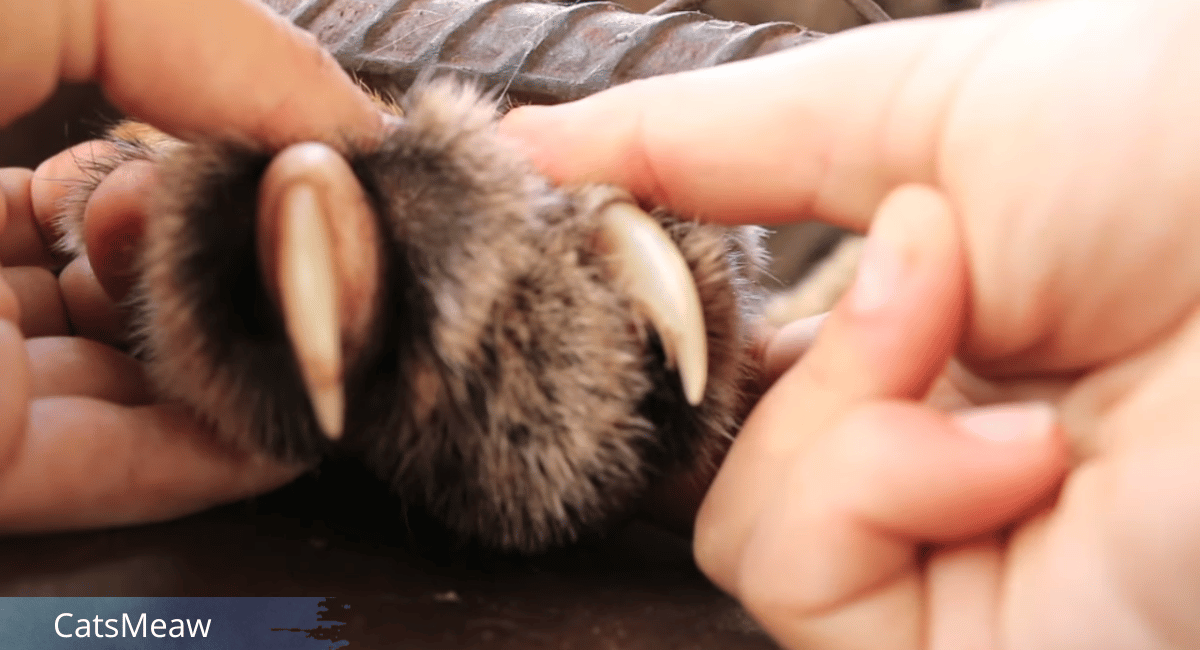
Infected Cat Claws: Causes, Signs and Safe Treatment
Infected cat claws are caused by bacteria or fungi entering through a torn claw, a split nail, or a puncture in the claw bed. The condition, called paronychia, matters for any cat, especially outdoor cats and seniors with overgrown nails.
This post may contain affiliate links. As an Amazon Associate I earn from qualifying purchases.
Table of Contents
Infected cat claws at a glance:
- Short Answer: An infection of the claw or the skin around it, usually bacterial and sometimes fungal.
- Most Common Causes: Torn or split claws, overgrown nails curling into the pad, bite wounds, and weak immunity.
- Urgency: Mild redness can be watched for 24 hours, but pus, limping, or swelling needs a vet.
- What to Do at Home: Gently clean the area, stop licking, and keep the paw dry.
- When to See a Vet: No improvement after 2 days, or any sign the infection is spreading.
What Causes Infected Cat Claws?
Most infected cat claws start with a small break in the skin that lets germs reach the claw bed. These are the usual triggers:
- Torn or split claws: A snag on carpet or a fence leaves an open entry point, and outdoor cats get these injuries often.
- Overgrown nails: Claws that are never trimmed can curl and grow into the paw pad, creating a deep puncture.
- Bite and scratch wounds: Fights with other cats push bacteria deep into the toe tissue.
- Fungal infection: Ringworm and other fungi can invade the nail, especially in damp conditions or in multi-cat homes.
- Weakened immunity: Cats with FIV, diabetes, or other chronic illness fight off infection less effectively.
Cats use their claws for climbing, marking territory, and shedding the dead outer sheath, so healthy claws matter. I cover that in what cat claws are used for.
Signs of Infected Cat Claws to Watch For
The earliest signs of infected cat claws are swelling and redness at the base of the nail. Check your cat’s paws if you see any of these:
- Redness or puffy skin around one or more claws
- Pus, brownish discharge, or crusting at the nail base
- A foul smell coming from the paw
- Limping or refusing to put weight on the foot
- Constant licking or chewing at one toe
- A claw that looks thickened, crumbly, discolored, or deformed
- Pulling the paw away or hissing when you touch it
When my cat started favoring one front paw, the only clue was extra licking. Gently pressing each toe pad apart showed a swollen claw bed. Nail changes can also point to fungal trouble, similar to what vets treat with Itrafungol for cats.
How to Treat Infected Cat Claws at Home
Home care only suits a mild infection with slight redness and no pus, and it should never replace a vet visit if signs persist. Follow these steps:
- Calm your cat, wrap her in a towel if needed, and expose the affected paw.
- Trim away fur around the toe so you can see clearly.
- Clean the claw base with a mild antiseptic solution made for pets, and dab it dry.
- Apply a warm, damp compress for 5 minutes, twice a day, to ease swelling.
- Stop licking with a soft recovery collar, since saliva keeps the area wet and irritated.
Never use human painkillers or leftover antibiotics on a cat, because many are toxic to cats. Pet-safe cleaning is the limit of what you should do without veterinary advice. If you need a refresher on safe handling, my guide to trimming your cat’s nails shows how to hold the paw calmly.
When to See a Vet for Infected Cat Claws
See a veterinarian if infected cat claws show no improvement within 2 days of gentle home cleaning. A vet can take a swab or culture, then prescribe antibiotics or antifungal medication, and in severe cases remove a badly damaged claw under sedation.
Go to the vet the same day if you notice any of these:
- Pus, heavy swelling, or red streaks moving up the toe or leg
- Fever, lethargy, or loss of appetite
- Severe limping or refusal to walk
- Several infected claws at once, which can signal an underlying illness
- Any deep wound, especially after a cat fight
Recurring claw problems may point to a health issue behind the infection. Routine exams catch these early, which is why regular veterinary check-ups for cats are worth keeping. Cornell notes that diagnosis matters because bacterial and fungal infections need different treatments, as outlined by the Cornell Feline Health Center.
Preventing Infected Cat Claws
Prevention comes down to short nails, clean paws, and safe scratching. Try these habits:
- Trim the sharp tips every 2 to 3 weeks and check each pad for ingrown claws.
- Inspect paws weekly for redness, swelling, or splitting nails.
- Keep litter fresh, since dirty litter exposes paws to bacteria. See how often to clean a cat litter box.
- Offer a sturdy scratching post so claws shed their outer layer naturally. A tall one suits big cats, as in this guide to the best scratching post for large cats.
- Keep outdoor time supervised to reduce fights and wounds.
Some owners also ask about supplements for claw and immune health. If you want to try one such as samento for cat claw health, ask your vet first, because there is little firm evidence it helps infected claws and it should never replace treatment.
Frequently Asked Questions
Can an infected cat claw heal on its own?
A very mild irritation may settle within 1 to 2 days with clean, dry paws, but true infections rarely clear on their own. If redness, swelling, or pus remains after 48 hours, a vet needs to treat it.
What does an infected cat nail look like?
An infected cat nail looks red and swollen at the base, and it may ooze pus or crust. Fungal cases can also make the claw thick, brittle, or discolored.
Why does my cat keep licking one paw?
A cat licking one paw is often reacting to pain, a torn claw, a foreign object, or early infection. Constant licking for more than a day deserves a close look at the toes and a vet check.
Can I use human antibiotic ointment on my cat’s claw?
No, human antibiotic ointments can be harmful if a cat licks them off, and some contain ingredients that are unsafe for cats. Ask a veterinarian which product is safe for your cat’s paw.
Infected cat claws respond best to early action: spot the swelling, clean the paw gently, and call your vet if signs last beyond 2 days. Start this week by checking every claw and booking a trim if nails look long.