


Why Do Cats Purr? 5 Reasons Backed by Science
Why do cats purr? Cats purr to express contentment, but also to communicate with kittens and people, to soothe themselves when stressed or hurt, and possibly to support healing. Every cat owner meets this sound daily, and knowing what it means helps you read your cat’s mood correctly.
This post may contain affiliate links. As an Amazon Associate I earn from qualifying purchases.
Table of Contents
Why do cats purr at a glance:
- Short Answer: Purring signals contentment, requests attention, calms stress or pain, and bonds cats with their companions.
- Why Cats Do It: Kittens purr from about two days old to tell their mother they are nearby and nursing well.
- Is It Normal: Yes, but purring alongside hiding, drooling, or a hunched posture can signal pain.
- Typical Frequency: A purr usually falls between 25 and 150 Hertz.
- How to Respond: Check the body language around the purr before deciding what your cat needs.
Why Do Cats Purr When They Feel Content?
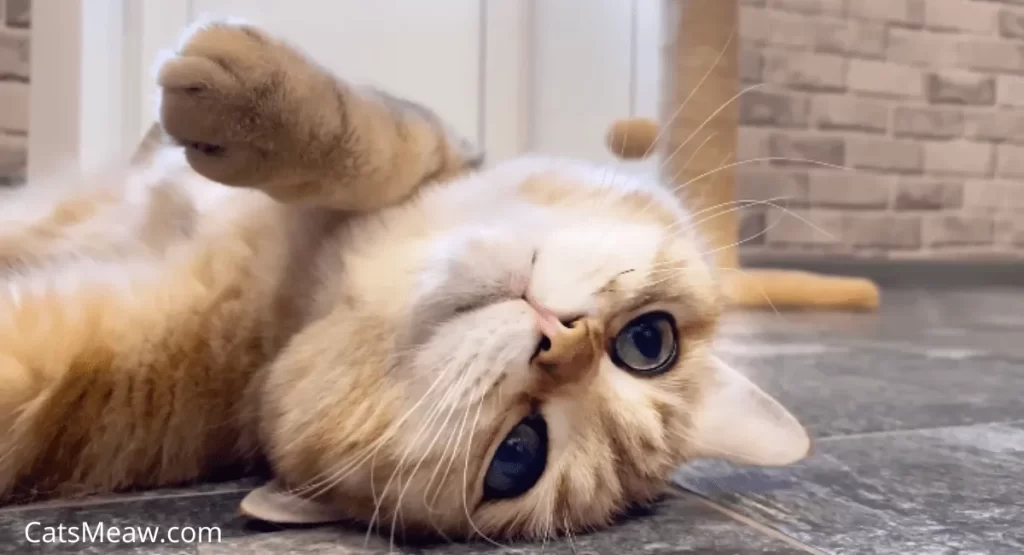
Contentment is the best-known reason cats purr, and it is the most common one at home. A cat that purrs while kneading a blanket, with slow blinks and soft eyes, feels safe.
Typical happy-purr situations include:
- Being stroked along the cheeks, chin, or back
- Napping in a warm, sunny spot
- Settling into your lap in the evening
- Hearing a gentle, familiar voice
Many cats also purr to ask you to keep going. When my cat nudges my hand and purrs louder, she is clearly saying “do not stop petting me.”
Purring as Communication With Kittens and Humans
Purring is a communication tool from the first days of life. Newborn kittens are blind and deaf, yet they purr while nursing, which tells the mother where they are and that they are feeding.
Adult cats keep using purrs to talk to people. The most interesting version is the solicitation purr, which blends a low purr with a higher-pitched, cry-like sound. Cats use it mostly to request food or attention, and it is hard for humans to ignore.
Cats also purr to greet you at the door. Watch for an upright tail, a head bump, and a relaxed body, since these signs confirm a friendly greeting.
Why Cats Purr When They Are Stressed or in Pain
Cats sometimes purr to comfort themselves, not because they are happy. Purring while scared, anxious, or hurt is thought to work as a self-soothing behavior, much like a child humming in the dark.
Context tells you which kind of purr you are hearing:
- Happy purr: loose body, relaxed ears, slow blinking, kneading.
- Stress or pain purr: stiff or hunched posture, flattened ears, wide pupils, hiding, or not eating.
Cats often purr at the veterinary clinic, on the exam table, or after surgery. A cat carrier with a soft blanket can lower stress before the visit begins. If a cat purrs while also hiding, drooling, or refusing food, see how to tell your cat is in pain and call your veterinarian.
Can Purring Help Cats Heal?
Purring may support healing, although the research is still limited. Cat purrs usually vibrate between 25 and 150 Hertz, a range that some researchers link to bone and tissue repair in other animals and in humans.
This idea may explain why cats purr so often when they rest or recover. It could also help them conserve energy, since resting while vibrating gently costs little. Treat this as a promising theory, not a proven cure, and never rely on purring in place of veterinary care.
How Does a Cat Purr? The Science Behind the Sound
A cat purrs by rapidly twitching the muscles of the larynx, which makes the vocal folds open and close. The diaphragm moves in the same rhythm, so the sound continues as the cat breathes in and out.
This is why a purr is nearly continuous, unlike a meow. A typical purr runs at about 25 to 30 vibrations per second, and the brain signals a cat’s muscles in a repeating pattern to create it.
Domestic cats purr both while inhaling and exhaling. Some wild cats, such as cheetahs, can purr too, while lions and tigers roar instead.
Purring and Social Bonds Between Cats
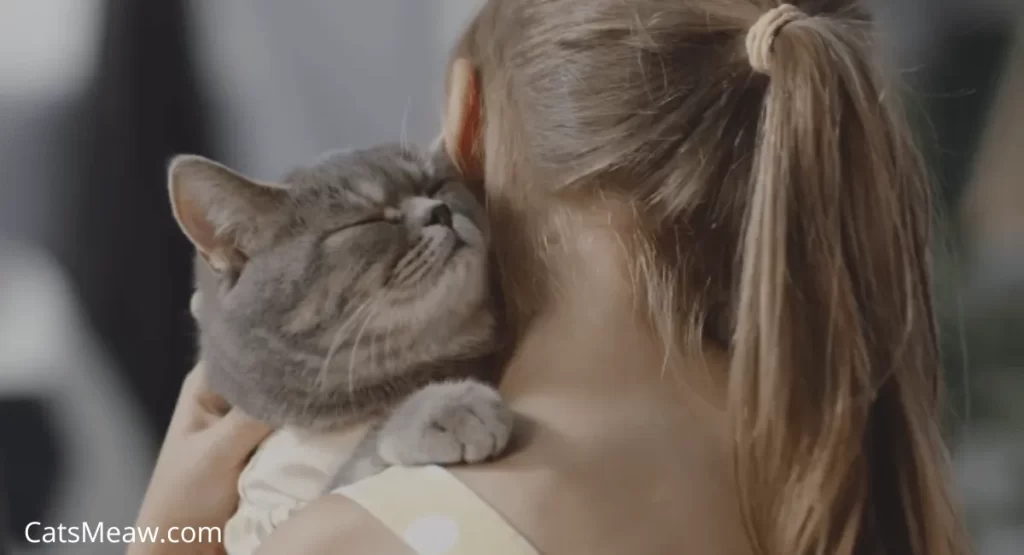
Purring helps cats build trust with each other and with people. Cats that groom one another or sleep side by side often purr quietly together, a pattern covered in why cats groom each other.
A purr can also act as a peace signal. A cat approaching another cat or a stranger may purr to show it means no harm. If you are bringing a second pet home, introducing two cats slowly lets these calm signals develop.
With people, a purr during cuddles reinforces your bond. Regular gentle sessions with a Best Cat Grooming Supplies set can make brushing a purr-filled routine. The ASPCA shares more everyday guidance in its guide to common cat behavior.
Purring and Biting: Mixed Signals
Some cats purr and then nip, which confuses owners. This can mean overstimulation, so watch for a twitching tail, skin rippling along the back, or ears turning sideways. Stop petting at those signs, and read why a cat bites while purring for more detail.
When Purring Is a Reason to Call the Vet
A purr alone is rarely a problem, but it can hide illness. Contact your veterinarian if purring comes with any of these signs:
- Not eating for more than 24 hours
- Hiding, hunched posture, or sudden withdrawal
- Labored or open-mouth breathing, which is an emergency
- Limping, crying out when touched, or drooling
- Sudden change in how often or how loudly your cat purrs
Veterinary teams can examine a cat that purrs through discomfort. The Cornell Feline Health Center lists warning signs in its cat health resources.
Frequently Asked Questions
Do cats purr only when they are happy?
No, cats also purr when stressed, scared, or in pain. The body language around the purr, such as flat ears, hiding, or a hunched posture, shows which feeling is behind it.
At what age do kittens start to purr?
Kittens begin purring at roughly two days old. They purr while nursing to tell their mother where they are and that they are feeding well.
Why does my cat purr so loudly?
Loud purring is usually normal and reflects a strong feeling, such as excitement over food or affection. Some cats simply have louder purrs, but a sudden change in volume alongside other symptoms deserves a vet visit.
Can cats purr to heal themselves?
Possibly, since purr frequencies of 25 to 150 Hertz are linked to tissue and bone repair in research. This remains a theory, so injured cats still need veterinary treatment.
So, why do cats purr? For comfort, communication, self-soothing, and bonding. Pay attention to posture, ears, and appetite alongside the sound, and book a vet visit if a purr comes with signs of pain.

