


Foster Kittens: A Step-by-Step Guide for First-Timers
To foster kittens, you contact a local shelter or rescue, set up a warm, quiet room, and care for the litter until it is old enough for adoption, usually 8 weeks and 2 pounds. Fostering suits anyone with a spare room, a flexible schedule, and the emotional strength to say goodbye.
This post may contain affiliate links. As an Amazon Associate I earn from qualifying purchases.
Table of Contents
Foster kittens at a glance:
- Short Answer: Fostering means giving kittens a temporary, safe home until they are healthy, socialized, and ready for adoption.
- Time Commitment: Kittens under 4 weeks need feeding every 2-3 hours, day and night; older kittens need several meals and daily play.
- Typical Length: Most foster stays last 4 to 8 weeks, depending on the kittens’ age at intake.
- Main Risk: Illness spreads fast in kittens, so sneezing, diarrhea, or lethargy needs a prompt call to the rescue or vet.
- Who Provides Costs: Many rescues supply food, formula, and veterinary care, so ask before you buy anything.
What You Need Before You Foster Kittens
You need a small, easy-to-clean room, a few basic supplies, and a realistic view of your schedule. A bathroom or spare bedroom works well because it keeps kittens safe and limits the spread of illness to your own cats.
Basic supplies:
- A playpen or kitten-proofed room with no gaps behind appliances
- Kitten formula and bottles for feeding if the kittens are under 4 weeks old
- Soft blankets for nesting, washed often
- A shallow litter box with unscented litter, plus food and water dishes
- A heating pads, blankets setup with a cover, placed under only half the bed so kittens can crawl away from the heat
Plan your time honestly. Neonatal kittens can take over a full day, while kittens past 8 weeks mostly need meals, cleanup, and play. Our new kitten checklist covers the essentials worth having on hand.
Where to Find Kittens to Foster
The easiest place to start is your local animal shelter or rescue group, since most run foster programs and train new volunteers. Many shelters see their highest intake in spring and summer, so kitten season is when foster homes are needed most.
- Shelters and rescues: Fill out a foster application, attend an orientation, and ask which kitten ages they need help with.
- Veterinary offices: Vets often hear about orphaned or abandoned litters first.
- Local rescue communities: Social media groups regularly post urgent foster requests.
- Found litters: If you find kittens outdoors, call a rescue before moving them, because the mother may still be nearby.
Fostering a single cat is a different commitment, so see fostering a cat if you are weighing both options.
Caring for Foster Kittens Day to Day
Good foster care rests on four things: correct feeding, steady warmth, a clean space, and gentle socialization. Get these right and most healthy kittens thrive.
Feeding by age:
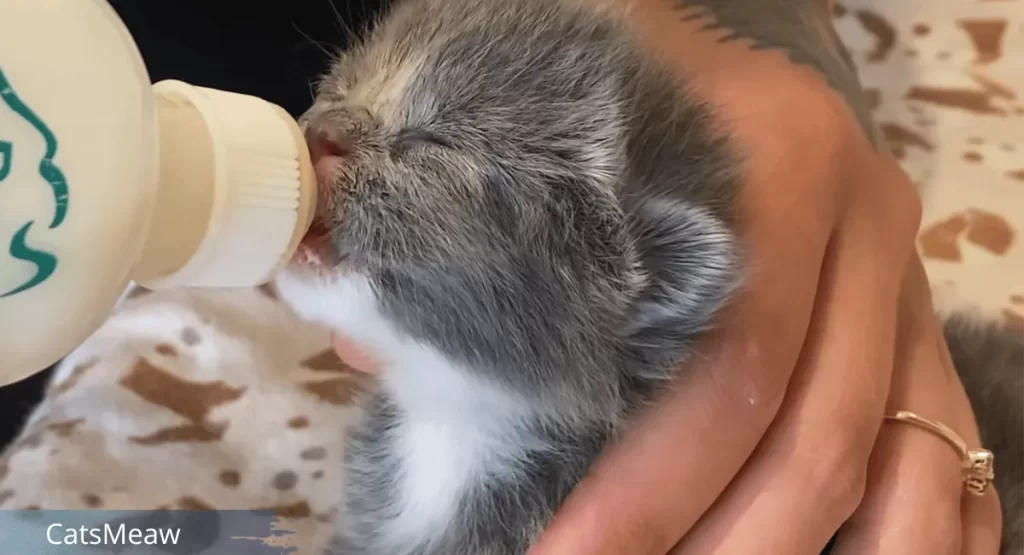
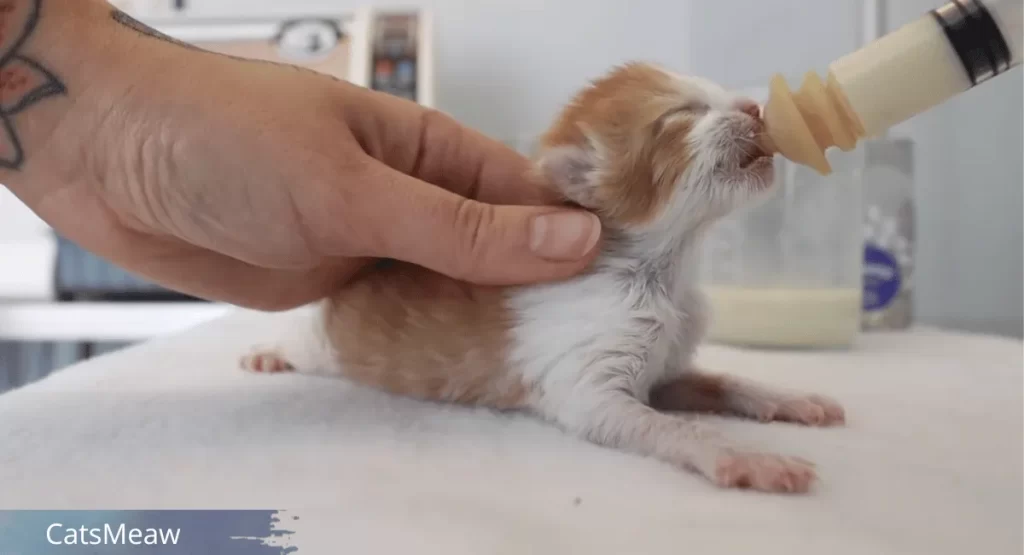
- Birth to 4 weeks: Bottle-feed kitten formula every 2-3 hours, never cow’s milk. Our guide to bottle feeding a kitten walks through each step.
- 4 to 6 weeks: Start offering moistened kitten food alongside formula.
- 6 weeks and older: Feed kitten food several times daily; see wet cat food for kittens for what to choose.
Warmth and comfort: Kittens under 3 weeks cannot regulate their own body temperature. A kitten that feels cool to the touch needs gentle warming right away and a call to your rescue.
Socialization and play: From about 3 weeks on, handle kittens gently every day and let them hear normal household sounds. Offer interactive toys like wand toys so kittens learn to pounce on toys instead of hands. For older kittens, keeping a cat entertained offers ideas that also build confidence.
Health and Veterinary Care for Foster Kittens
Foster kittens need prompt veterinary attention because they get sick quickly and can decline within hours. Always follow your rescue’s medical protocol rather than treating problems yourself.
Common problems to watch for:
- Upper respiratory infections, shown by sneezing, watery eyes, and nasal discharge
- Fleas, ear mites, and intestinal worms
- Diarrhea or vomiting; see cat vomiting and diarrhea for what the common causes look like
- Poor appetite, weakness, or a kitten that stops gaining weight
Vaccines typically begin around 6 to 8 weeks, with boosters every 3 to 4 weeks until about 16 weeks, and your rescue usually schedules them. Our overview of cat vaccinations explains why each shot matters.
Call a veterinarian immediately if a kitten has labored breathing, will not eat for a full day, feels cold or limp, or has persistent diarrhea. Kittens can become dangerously dehydrated very quickly. The ASPCA cat care guide is a useful reference for everyday care questions.
Preparing Foster Kittens for Adoption
Foster kittens are ready for adoption when they are eating on their own, using the litter box, healthy, and comfortable with people, usually at 8 weeks and about 2 pounds. Your rescue makes the final call, often after a spay or neuter appointment.
- Handle each kitten daily so they associate people with calm and food.
- Introduce vacuum sounds, doorbells, and new visitors gradually.
- Practice gentle nail trims and brushing so adopters inherit an easy cat.
- Note each kitten’s personality, energy level, and litter habits for the adoption profile.
- Take clear photos and share your observations with the rescue.
If you are keeping your own cat in the house, introducing a kitten to an older cat shows how to manage first meetings safely. Saying goodbye is hard, but every adoption frees up a spot for the next litter.
Frequently Asked Questions
How long do you foster kittens?
Most people foster kittens for 4 to 8 weeks, until the kittens reach about 8 weeks and 2 pounds. Neonates may stay longer, while a healthy, socialized litter may leave sooner.
Do you have to pay to foster kittens?
Usually no, because most rescues cover veterinary care, vaccines, and often food and formula. You typically supply your home, time, and small extras like bedding and toys.
What age is hardest to foster kittens?
Kittens under 4 weeks are the hardest, since they need bottle feeding every 2-3 hours and help with warmth and elimination. Kittens over 6 weeks are far easier and ideal for first-time fosters.
Can I foster kittens if I have other pets?
Yes, but keep foster kittens in a separate room for at least 2 weeks to prevent spreading illness. Make sure your own pets are vaccinated, and ask your rescue about their quarantine rules.
Foster kittens give shelters room to save more lives, and you only need a spare room, steady routines, and a rescue partner to start. Contact your local shelter this week, ask which ages they need, and request their foster orientation date.

