
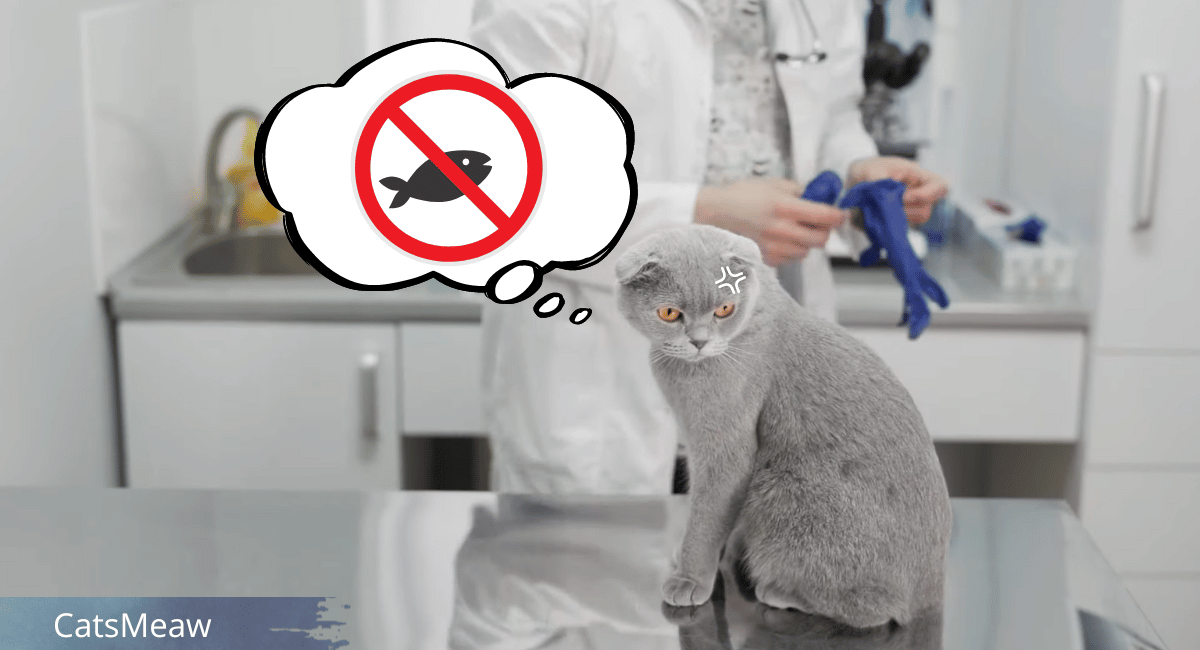
Fish Allergy in Cats: Signs, Diagnosis and Diet Fixes
Fish allergy in cats is an immune reaction to proteins in fish, and it shows up mainly as itchy skin or digestive upset. It matters most for cats that eat seafood-based foods daily, since an allergy can appear even after years of eating fish without trouble.
This post may contain affiliate links. As an Amazon Associate I earn from qualifying purchases.
Table of Contents
Fish allergy in cats at a glance:
- Short Answer: The immune system treats fish proteins as a threat, causing itching, skin lesions, vomiting or diarrhea.
- Most Common Signs: Constant scratching, over-grooming, hair loss, scabs around the head and neck, and loose stools.
- Diagnosis: A vet-supervised elimination diet trial, usually lasting 8 to 12 weeks.
- What to Do at Home: Remove all fish, fish oil and fish-flavored treats, then check every label.
- When to See a Vet: Any facial swelling, breathing trouble, or itching that lasts more than a week.
What Causes a Fish Allergy in Cats?
A fish allergy in cats is a food allergy triggered by the proteins in fish, not by the fish oil or the smell. The immune system mistakes those proteins for a harmful invader and launches an inflammatory response.
Cats usually become allergic to a protein after repeated exposure. That is why a cat that has eaten salmon pate for years can suddenly start itching. Fish, beef and dairy are among the proteins most often linked to feline food allergies.
Allergic reactions differ from food intolerance. Allergies involve the immune system and cause skin or gut symptoms. Intolerance only upsets digestion. Cat owners often confuse the two, which is why a vet’s input matters. For a wider overview, see our guide to allergies in cats.
Signs of Fish Allergy in Cats to Watch For
The most reliable sign of a food allergy in cats is itching that does not follow the seasons. When my own cat started scratching her neck raw, the pattern only made sense once I tracked it against her meals.
Skin signs:
- Constant scratching, especially around the face, ears and neck
- Over-grooming that leaves bald patches
- Small scabs or sores, often called miliary dermatitis
- Recurring ear itching, see cat itchy ears for other causes
Digestive signs:
- Vomiting after meals
- Soft stools or diarrhea lasting several days
- Increased gas or frequent bowel movements
These signs overlap with fleas, environmental allergies and other illnesses, so do not assume fish is the cause. Swelling of the face or lips, or labored breathing, is an emergency and needs a vet right away. Persistent cat vomiting and diarrhea also deserves a checkup.

How Vets Diagnose a Fish Allergy in Cats
Veterinarians diagnose a fish allergy in cats with an elimination diet trial, because blood and skin tests are unreliable for food allergies. The trial is currently the most dependable method.
- Your vet rules out fleas, mites, infections and other common causes of itching.
- Your cat eats only a novel-protein or hydrolyzed diet for 8 to 12 weeks, with no treats, flavored medications or table scraps.
- If symptoms clear, your vet reintroduces fish to see whether signs return.
- A returning reaction confirms the allergy, and fish is then removed permanently.
Strict compliance is the hardest part, especially in multi-cat homes. Feed the test cat separately and keep other pets’ fish-based food out of reach.
Managing Fish Allergy in Cats Long Term
Managing a fish allergy in cats means permanently removing fish from the diet and checking every label. Even small amounts of fish meal, fish oil or “natural flavor” can restart symptoms.
Safer protein options:
- Chicken, turkey, beef or lamb, if your cat has not reacted to them before
- Novel proteins such as duck or venison
- Hydrolyzed protein diets, where proteins are broken into pieces the immune system ignores
Many owners start with hypoallergenic cat foods prescribed or recommended by their vet. A standard option for healthy indoor adults is Cat Food for Indoor Cats, but only after you confirm the label is completely fish-free. Another fish-free formula some owners try is this product, again once the ingredient list checks out.
Introduce any new food over 7 to 10 days by mixing it gradually with the old one. Watch the supplement shelf too, because many omega-3 products are fish-oil based. Our cat food for cats with allergies guide covers label reading in more detail.
Homemade Meals and Treats for Fish-Allergic Cats
Homemade meals can work for a cat with a fish allergy, but only when a veterinary nutritionist balances the recipe. Cats need taurine, vitamin A and specific amino acids that unbalanced home cooking easily misses.
If you want to cook, start from a vet-approved plan and then explore our homemade cat food recipes, swapping any fish ingredient for a safe protein. Treats deserve the same scrutiny: choose single-ingredient freeze-dried chicken or turkey rather than seafood flavors.
Good habits that help:
- Keep a food diary noting meals, treats and symptoms
- Read labels every time, since manufacturers change recipes
- Tell every family member, sitter and vet about the allergy
Skin that has been scratched raw can become infected, so see your vet if you notice discharge, odor or open sores. Always follow your veterinarian’s advice, and review general guidance from Cornell Feline Health Center when planning your cat’s diet.
Frequently Asked Questions
Can cats be allergic to fish?
Yes, cats can be allergic to fish, and it is one of the more common feline food allergens. Allergies often develop after months or years of eating the same fish-based food.
How long does a fish allergy take to show up in cats?
A fish allergy can appear anywhere from a few weeks to several years after first exposure. Because onset is gradual, owners often blame seasonal itching or fleas first.
How long does an elimination diet take to work for cats?
Most elimination diet trials last 8 to 12 weeks, and skin symptoms may take the full period to improve. Digestive signs often settle sooner, sometimes within 2 to 4 weeks.
Can a cat with a fish allergy eat any seafood?
Usually not safely, because many cats react to several fish species. Your vet may confirm which types trigger symptoms, but avoiding all fish and fish oil is the standard approach.
Fish allergy in cats is manageable once the trigger is identified and removed from every meal, treat and supplement. Start by booking a vet visit to plan an elimination diet, and keep a daily symptom log to track your cat’s progress.