
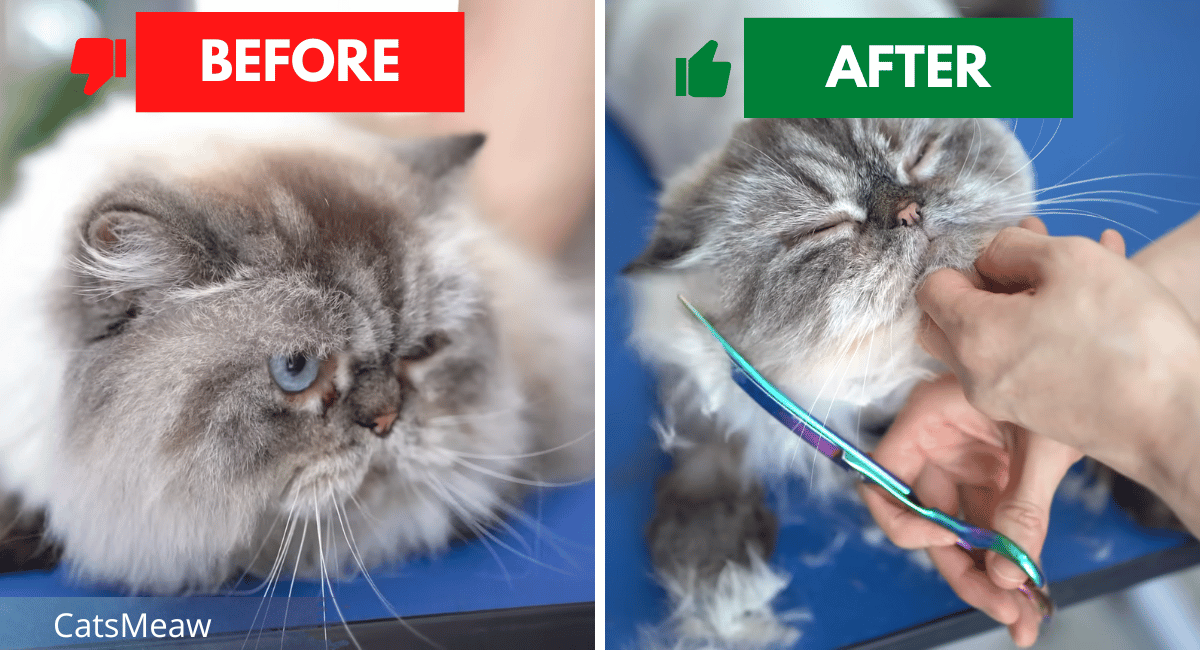
Shaving a Cat: When It Helps and How to Do It Safely
Shaving a cat is only worth doing when a medical or grooming problem makes it necessary, such as severe matting, heavy shedding, or a vet procedure. A healthy cat’s coat insulates against both heat and cold, so most cats never need a full shave. The decision matters most for long-haired cats, senior cats, and cats whose mats have reached the skin.
This post may contain affiliate links. As an Amazon Associate I earn from qualifying purchases.
Table of Contents
Shaving a cat at a glance:
- Short Answer: Shave only for matting, medical needs, or extreme shedding, never just for summer heat.
- Best Candidates: Long-haired cats, cats with skin-deep mats, and cats too old or stiff to groom themselves.
- Main Risk: Cut skin, clipper burn, sunburn on bare skin, and stress in cats that panic when restrained.
- Safer Alternative: A lion cut or a professional groomer or vet, especially for aggressive or severely matted cats.
- Regrowth Time: Expect the coat to look normal again in roughly 8 to 12 weeks, though texture can change.
Why Shaving a Cat Is Sometimes Necessary
Shaving a cat is justified when fur cannot be managed any other way. Cats groom themselves well, so a shave should solve a real problem, not a cosmetic one.
- Severe matting: Tight mats pull on the skin, trap moisture, and can cause sores or infection underneath. Mats that sit flat against the skin usually cannot be combed out.
- Excessive shedding: Some long-haired cats shed heavily and cannot keep up with their own coat, which also raises the risk of swallowed fur and hairballs.
- Parasites and skin checks: Short fur makes it easier to spot fleas, ticks, and skin lesions. If you are dealing with infestations, see our guide to getting rid of cat fleas.
- Mobility problems: Overweight or arthritic cats often cannot reach their back end, so fur there tangles and soils. A trimmed rear end can keep them clean and comfortable.
- Veterinary needs: Vets shave small areas for surgery, blood draws, or wound care.
Heat is the most common reason owners shave, and it is the weakest. A cat’s coat helps regulate temperature, and bare skin burns easily. Shade, water, and cool floors help far more than a shave. Learn more about cat grooming basics before reaching for the clippers.
Preparing Before You Start Shaving a Cat
Good preparation decides whether a shave takes 20 calm minutes or turns into a struggle. Choose a quiet room, a non-slip surface, and a time when your cat is relaxed, such as after a meal.
Gather these supplies first:
- A cat-specific electric clipper with adjustable blades and low noise and vibration
- Blunt-tipped grooming scissors for faces, paws, and tight spots
- A comb to find and lift mats before cutting
- A grooming table or a towel on a stable counter so your cat cannot slip
- Grooming gloves to brush loose fur and keep claws off your hands
- Treats for rewarding calm behavior between sections
Human clippers run hot and loud and are not designed for fine feline hair. Let your cat sniff and hear the clipper switched on at a distance for a few minutes. Trim your cat’s nails first if they are long, and our guide to trimming your cat’s nails walks through it.
Step-by-Step: How to Shave a Cat at Home
Work slowly, stop at the first sign of panic, and never force a struggling cat. A relaxed cat is much less likely to be nicked.
- Brush and comb the coat thoroughly to remove loose fur and detangle surface knots.
- Switch the clipper on near your cat and offer a treat once your cat ignores the sound.
- Choose a longer guard setting, often around 3 to 5 millimeters of remaining fur, rather than cutting to bare skin.
- Hold the skin taut with your free hand, since cat skin is loose and folds easily into the blade.
- Clip in the direction of hair growth with the blade flat, moving from the neck toward the tail in smooth, slow passes.
- Use a pair of rounded grooming scissors around the face, ears, paws, armpits, and genitals instead of the clipper.
- Pause every few minutes and check that the blade is not hot against the skin.
- Finish by brushing off loose clippings and inspecting the skin for redness, nicks, or irritation.
For a gentler touch after the cut, a mild cat shampoo and conditioner can help once the skin has settled. See our walkthrough on how to bathe a cat for timing and technique.
Handling a Cat That Fights the Clippers
A cat that hisses, bites, or tries to flee should not be shaved at home. Wrapping a cat in a towel can calm some cats, but forcing a panicking cat risks injury to both of you. Book a groomer or vet, who may use a sedative for severe cases. Our post on cat grooming services explains what to expect.
Common Mistakes When Shaving a Cat
Most shaving injuries come from rushing, poor tools, or trying to cut mats flat against the skin. Avoid these errors:
- Cutting mats with scissors: Skin often tents up into a mat, and scissors can slice it. Use clippers or have a groomer do it.
- Shaving to bare skin: Close shaves increase sunburn and skin irritation, especially on pale cats.
- Going against the grain too early: Clip with the growth first, since the opposite direction increases clipper burn.
- Skipping breaks: Stress builds fast, and a tired cat is more likely to bite or flee.
- Ignoring the cause: If matting returns quickly, the real fix is regular brushing. Our picks for the best cat brush for short hair shedding can help between grooming sessions.
Aftercare and Regrowth
After shaving a cat, keep your cat indoors, out of direct sun, and warm enough in cool rooms. Bare patches can sunburn and chill quickly. Watch for red, scabby, or itchy spots over the next few days, and call your vet if irritation does not settle. A clipped coat usually regrows in about 8 to 12 weeks, though some cats grow back a patchier or softer coat. Persistent bald patches should be checked, and our guide on hair loss in cats covers possible causes. For general welfare advice, the ASPCA cat care guide is a solid reference.
Recommended products:
Frequently Asked Questions
Is it cruel to shave a cat?
No, shaving a cat is not cruel when it treats matting, a medical issue, or severe shedding and is done gently. It becomes harmful when done purely for looks, or when a stressed cat is restrained.
Does shaving a cat keep it cooler in summer?
Not reliably, because a healthy coat insulates against heat and shields skin from sunburn. Shade, fresh water, and cool surfaces help more than a shave for most cats.
How long does it take for a shaved cat’s fur to grow back?
Most shaved cats regrow a usable coat in about 8 to 12 weeks. Texture or color can change slightly, and full coat length may take several months.
Can I shave a matted cat myself?
Mild surface mats can be clipped at home, but skin-deep mats should go to a groomer or vet. Cat skin is thin and loose, so cuts happen easily during DIY attempts.
Shaving a cat should solve a real problem, and it works best with the right clippers, a calm setup, and short sessions. If your cat resists or mats sit against the skin, book a groomer or vet instead of risking injury.