Depression in Cats: 8 Signs, Causes and How to Help
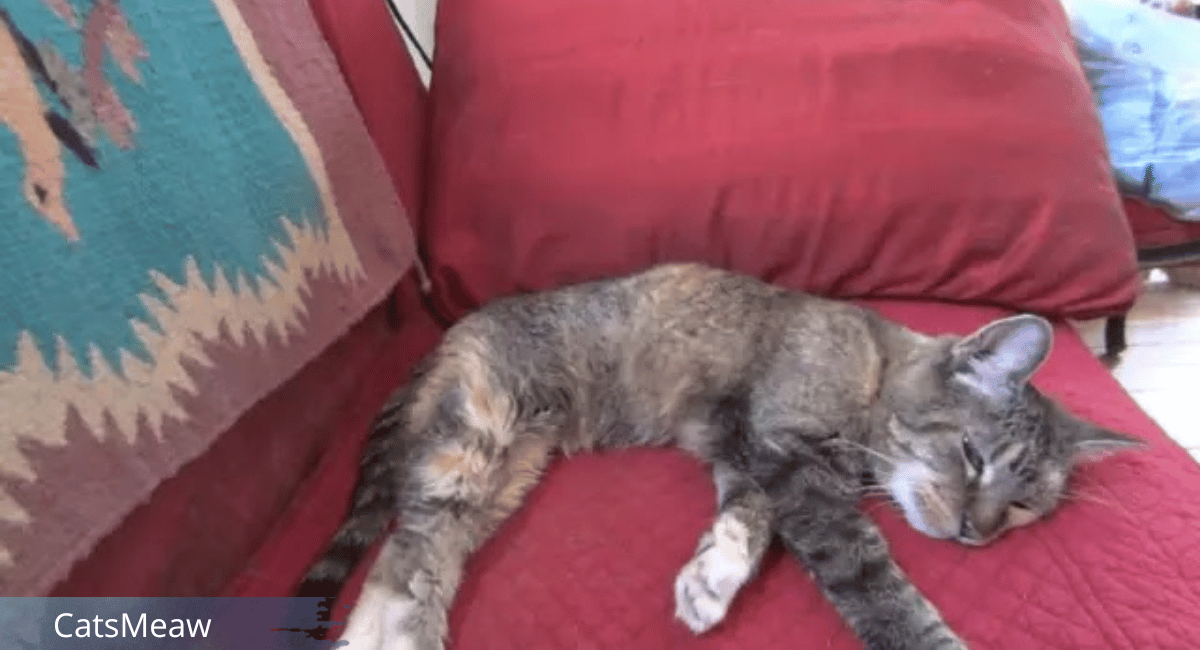
Depression in cats is a real behavioral and emotional state, usually triggered by loss, stress or a sudden change in routine. Cats of any age can be affected, and a low mood that lasts more than a few days always deserves a veterinary check, because many illnesses look exactly like sadness.
This post may contain affiliate links. As an Amazon Associate I earn from qualifying purchases.
Table of Contents
Depression in cats at a glance:
- Short Answer: A lasting drop in appetite, play and social interest, often after a stressful change or loss.
- Most Common Causes: Moving house, a new pet or baby, the death of a companion, long absences, and early separation from the mother.
- Urgency: A cat that stops eating for 24 hours or more needs a vet visit promptly.
- What to Do at Home: Keep routines steady, add daily play and offer safe hiding spots.
- When to See a Vet: Any sudden behavior change lasting longer than 2 to 3 days.
What Depression in Cats Really Is
Depression in cats is a prolonged low mood that changes how a cat eats, sleeps, plays and interacts with people. Veterinarians often describe it as stress-related behavior change, because cats cannot tell us how they feel.
One point matters before anything else. Depression is not automatically fatal, and the old claim that 99% of affected cats die has no support in veterinary guidance. Most cats recover when the cause is found and their environment improves.
Common Causes of Depression in Cats
Cats are creatures of routine, so almost any disruption can unsettle them. These are the most frequent triggers:
- Loss of a companion: Cats often grieve a human or animal housemate, searching the house and calling out for days.
- Environmental change: Moving house, new furniture, renovations or a new baby can leave a cat feeling unsafe in its own territory.
- Loneliness: A cat left alone for long hours, or one whose owner suddenly works away from home, can withdraw.
- Early separation from the mother: Kittens weaned before about 8 weeks miss social learning and may grow into anxious adults. See when kittens can leave their mom for the right timing.
- Trauma: An accident, a fight or a frightening vet visit can change a cat’s mood for weeks.
- Boredom: Indoor cats without stimulation often turn flat and sleepy.
Signs of Depression in Cats to Watch For
The main sign of depression in cats is a clear change from the cat’s normal pattern that lasts several days. Watch for one or more of these:
- Eating much less, or sometimes overeating
- Sleeping far more than usual, or struggling to sleep at night
- Losing interest in toys, windows and favorite people
- Hiding more often, which is covered in why a cat is suddenly hiding
- Over-grooming, bald patches or, the opposite, a greasy unkempt coat
- Urinating outside the litter box or spraying
- New aggression or unusual clinginess
- Excessive meowing, especially at night
Because every item on this list also appears in physical illness, a cat that shows them is not safely diagnosed at home. Pain, dental disease, kidney problems and thyroid conditions such as hypothyroid disease in cats can all mimic a low mood. The vet should rule these out first.
How to Help a Depressed Cat at Home
The best home treatment is more attention, more stimulation and a predictable routine. Follow these steps in order:
- Book a vet exam to rule out pain and illness, ideally within a few days of noticing the change.
- Feed at the same times every day and keep the litter box clean, as covered in how often to clean a litter box.
- Schedule two short play sessions of 10 to 15 minutes daily, using wand toys that mimic prey.
- Offer vertical space and a window view, for example a sturdy cat tree, which gives a withdrawn cat a safe perch.
- Leave puzzle feeders or hidden treats in each room so your cat has something to do when alone. A rotating treat toy such as the Pipolino can keep a bored cat busy during work hours.
- Sit quietly near your cat without forcing contact, and let the cat approach on its own terms.
For more ideas, read how to keep an indoor cat entertained. After a loss, give the cat time. Do not rush to introduce a replacement pet, since a poorly timed newcomer can add stress.
When to See a Vet About Depression in Cats
See a veterinarian whenever a mood change lasts more than 2 to 3 days. A cat that refuses food for 24 hours or longer needs prompt care, because cats that stop eating can develop a serious liver condition called hepatic lipidosis. Our guide to cat not eating explains what to do while you arrange the visit.
Go to an emergency clinic if your cat vomits repeatedly, strains in the litter box, breathes with an open mouth or cannot stand. Your vet may suggest behavior therapy, pheromone support or a short course of anti-anxiety medication in persistent cases. Never give human medicine, because many drugs are toxic to cats and some can harm the liver. Reliable background on cat stress and health is available from Cornell Feline Health Center.
Frequently Asked Questions
Can cats get depressed?
Yes, cats can show depression-like behavior after loss, stress or major change. The signs include reduced appetite, hiding, low energy and loss of interest in play.
How long does depression last in cats?
Most cats improve within a few weeks once the stressor is removed and routines return. Grief after losing a companion can last several weeks to a few months.
How do I cheer up a depressed cat?
Increase daily play to two sessions of 10 to 15 minutes, keep feeding times fixed and add vertical perches. Gentle, patient attention helps more than forced cuddling.
Do cats die from depression?
Depression itself is rarely fatal, and most cats recover. The danger comes from prolonged refusal to eat, which can cause liver failure within days, so a vet visit is essential.
Depression in cats is treatable when you spot it early, find the trigger and rebuild a calm, stimulating routine. If your cat has seemed low for more than 2 to 3 days, schedule a vet check this week to rule out illness.