
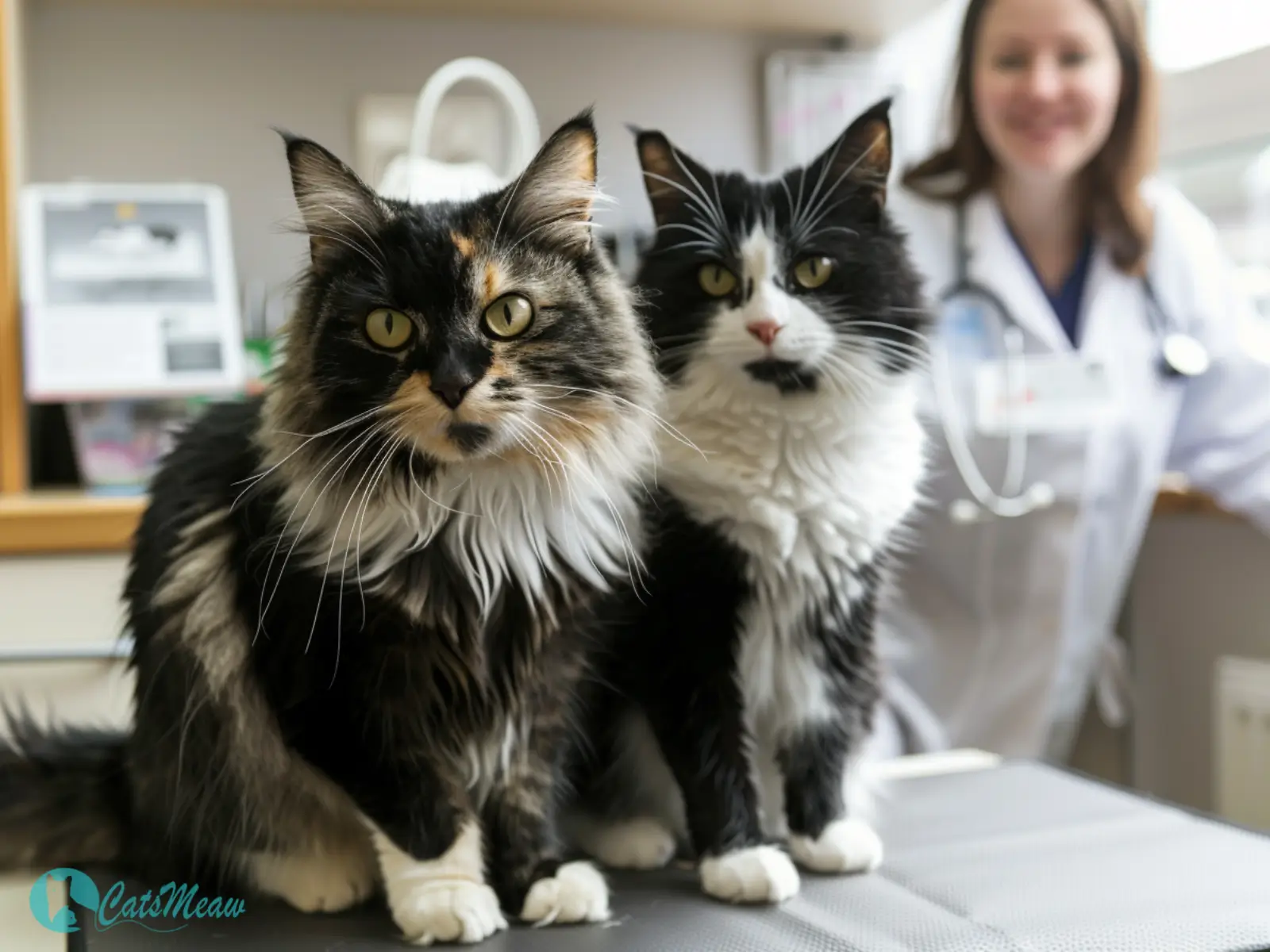
Cat Allergy Medicine — Proven Relief in 3 Steps
Cat allergy medicine can turn a miserable, itchy cat into a comfy companion, but only if you match treatment to the true cause. In this guide, you’ll see how cat allergy medicine works, which prescriptions vets reach for, and which simple home steps make those meds last longer. You’ll also learn the telltale differences among environmental, flea, and food allergies so you avoid dead ends. Finally, you’ll get smart safety rules and clear “call the vet now” alerts. By the end, you’ll feel ready to talk with your vet and build a practical routine that keeps your cat comfortable all year.
Table of Contents
Understanding Cat Allergy Medicine Basics
1- What counts as “cat allergy medicine”
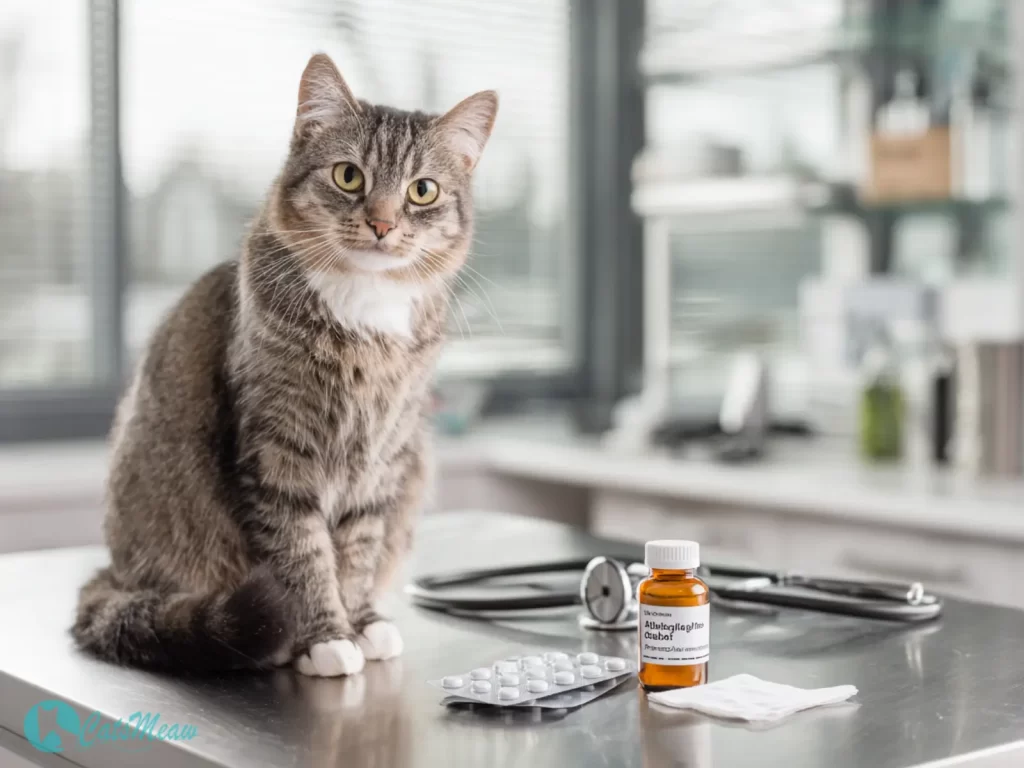
Cat allergy medicine spans several proven tools your vet tailors to the trigger. For mild seasonal itch, antihistamines may help. For intense inflammation, short steroid courses provide rapid relief. For frequent or year-round flares, cyclosporine targets the immune system for steadier control. When fleas are the culprit, fast, vet-recommended preventives stop the problem at its source. Additionally, medicated shampoos, ear drops, and topical sprays soothe hot spots and yeast overgrowth that often follow scratching. However, medication works best when you remove triggers. So you still need better cleaning routines, consistent flea control, and a stable diet.
Pick up: Best Allergy Medication for Cats
2- How allergies show up in cats (and what medicine can and can’t fix)
Cats rarely present with only sneezing. They lick and chew, pull out hair, shake their heads, and scratch their ears. Meanwhile, some cats cough or wheeze when inhaled allergens irritate airways. Medicine reduces itch and swelling, yet constant exposure can overpower any pill or drop. As a result, the best plan blends cat allergy medicine with targeted environment changes. Because food allergy can mimic environmental allergy, your vet may recommend a strict diet trial. During that period, you still treat discomfort so your cat can rest and heal.
Read More: 5 Best Homemade Cat Food Recipes
Vet-Directed Medications for Feline Allergies
1- Antihistamines, steroids, and cyclosporine: when vets use them
Vets choose the least risky option that reliably works. For mild flare-ups, they may try a single-ingredient antihistamine such as chlorpheniramine or cetirizine at a vet-set dose. However, antihistamines do not help every cat. When itch rages, short, carefully dosed prednisolone courses calm skin quickly. Your vet sets dose and duration to limit side effects. For cats with frequent or perennial symptoms, cyclosporine offers long-term control without ongoing steroids. Additionally, vets treat secondary infections with antibiotics or antifungals so healing can start. Never give human combo cold meds or decongestants; many contain ingredients that are unsafe for cats.
2- Flea allergy dermatitis: fast relief and prevention plan
Flea saliva can trigger an outsized reaction in sensitive cats, and a single bite may spark weeks of itch. Therefore, your first “cat allergy medicine” here is a rapid, vet-approved flea preventive for every pet in the household. Your vet may add a brief steroid taper for comfort and a soothing topical for hot spots. Meanwhile, wash bedding weekly, vacuum along baseboards, and treat the environment as directed.
Vets may use a short course of corticosteroids for quick comfort, but anti-inflammatory drugs never replace strict flea control for every pet in the home. See the Merck Veterinary Manual’s guidance
Read More: Best Practices to Get Rid of Cat Fleas
At-Home Management That Boosts Medicine
1- Environmental controls that reduce allergens
Cat allergy medicine performs better when your home lowers allergen load. Start with vet-approved weekly baths; a gentle, cat-safe shampoo removes pollen and dust. Additionally, wipe coats with a damp microfiber cloth after open-window days. Use a HEPA air purifier in the rooms your cat favors most. Wash soft bedding at least weekly on hot if safe for the fabric. Meanwhile, avoid heavy fragrances and harsh cleaners that can irritate airways. During diet trials, keep a strict feeding log and remove all off-plan treats.
2- Omega-3s, medicated baths, and topical help
Marine-based omega-3s can strengthen the skin barrier and dampen inflammatory signaling over time. Ask your vet for a product and dose tailored to your cat’s weight. Additionally, prescription or vet-dispensed shampoos and leave-on mousses can reduce bacteria and yeast that worsen itch. For ear-heavy cases, medicated drops clear infection and cut scratching fast. However, never place products in ears until your vet confirms the eardrum is intact.
Special Situations and Safety
1- Kittens, seniors, and multi-cat homes
Kittens metabolize drugs differently, while seniors often take other medications. Therefore, a veterinarian must set the plan and dose for cat allergy medicine in these age groups. Additionally, multi-cat homes need synchronized flea prevention, consistent cleaning, and separate feeding zones during diet trials to avoid mix-ups. Offer extra litter boxes and quiet resting spots to reduce stress, since stress can amplify over-grooming and delay healing. Meanwhile, outdoor cats pick up more pollen and parasites, so tighten prevention and consider limiting outdoor time during peak seasons to curb flare-ups.
Read More: Best Treatments for Cat Allergie
2- Red flags: when to call your vet, testing, and long-term plans
Call your vet promptly if your cat shows facial swelling, hives, breathing changes, repeated vomiting, or lethargy, because those can signal a severe reaction. Additionally, contact your vet if steroids trigger increased thirst, appetite swings, or behavior shifts. For cats with persistent seasonal symptoms, your vet may suggest intradermal or blood testing to identify triggers and guide allergen-specific immunotherapy. Over months, immunotherapy can build tolerance and reduce reliance on daily cat allergy medicine.
Frequently Asked Questions (FAQs)
- What is the best cat allergy medicine?
The best option fits the trigger and your cat’s health. Vets often start with antihistamines for mild cases, short steroids for severe flares, and cyclosporine for long-term control. - Can I give my cat human antihistamines like Benadryl or Zyrtec?
Only with your vet’s dosing guidance and only the correct single-ingredient product. Many human combo formulas contain unsafe ingredients for cats. - How long does cat allergy medicine take to work?
If effective, antihistamines may help within hours. Steroids often calm itch quickly. Cyclosporine builds effect gradually over weeks. Environmental cleanup steadily improves results. - When should my cat see a vet for allergies?
Book a visit at the first signs of intense itch, hair loss, skin sores, ear infections, coughing, or any breathing change. Seek urgent care for facial swelling, hives, or lethargy.
Conclusion
Cat allergy medicine eases itch, calms skin, and restores sleep, but it works best inside a complete plan. You can remove triggers, treat infections, and support the skin barrier so medication doesn’t carry the load alone. Additionally, you can tailor prevention to fleas, food, or the season and keep a simple tracking log to spot what helps. With your vet’s guidance and a few daily habits, your cat can relax, heal, and enjoy naps, cuddles, and play without constant scratching.