
Cats Grooming Each Other: 6 Reasons and What It Means
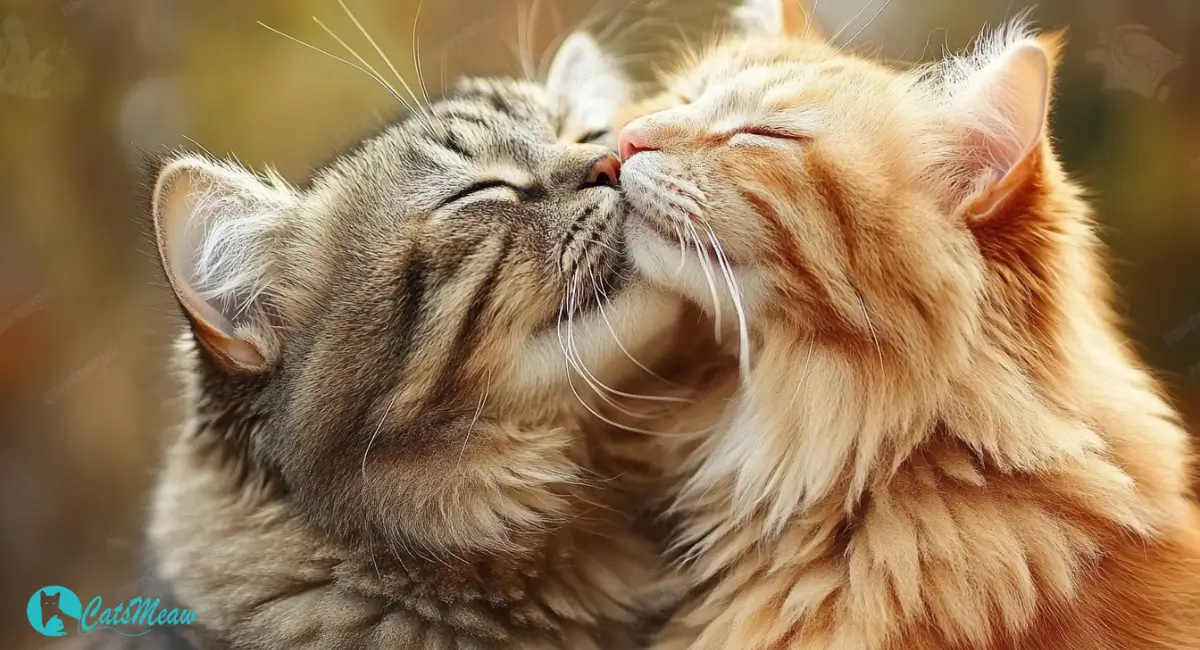
Cats grooming each other, known as allogrooming, is a social behavior that builds trust, shares scent, and keeps hard-to-reach spots clean. It matters most in multi-cat homes, where mutual grooming is one of the clearest signs that two cats get along.
This post may contain affiliate links. As an Amazon Associate I earn from qualifying purchases.
Table of Contents
Cats grooming each other at a glance:
- Short Answer: Cats groom each other to bond, share a group scent, and clean areas like the head and neck.
- Why Cats Do It: Affection, trust, scent mixing, hygiene, comfort, and sometimes rank.
- Is It Normal: Yes, gentle mutual grooming is healthy between cats that live together.
- How to Respond: Leave them alone, and step in only if grooming turns rough or one cat is losing fur.
What Is Allogrooming in Cats?
Allogrooming is when one cat licks and grooms another cat, unlike self-grooming, which a cat does only to itself. Cats that groom each other are doing more than cleaning, because this behavior is a form of communication.
Cats use three main grooming patterns:
- Self-grooming: a cat cleans its own coat and paws.
- Allogrooming: one cat grooms another, often on the head and neck.
- Reciprocal grooming: two cats take turns grooming each other in the same session.
The habit starts in kittenhood. A mother cat licks her kittens from their first day to clean them and stimulate them to eliminate. Littermates then copy the behavior as they grow, which is why cats raised together often groom each other for life.
Why Cats Groom Each Other: 6 Common Reasons
Cats groom each other for several overlapping reasons, and social bonding is the most common one. Watching which cat starts, where the licking lands, and how the other cat reacts tells you a lot about their relationship.
- Affection and trust: a cat that lets another lick its face is showing it feels safe. Cats are vulnerable while being groomed, so accepting it signals real comfort.
- Shared group scent: cats have scent glands on the cheeks, forehead, and paws. Grooming mixes their smells into one familiar “family” scent that lowers tension in the home.
- Hygiene in hard spots: a cat cannot easily reach its own head, ears, and the back of its neck. A housemate fills that gap and removes dirt, loose hair, and small parasites.
- Comfort and stress relief: cats often purr and relax during mutual grooming. The rhythmic licking appears to calm both the giver and the receiver.
- Social rank: in some pairs, the more confident cat grooms the other more often. This is usually mild and is not the same as bullying.
- Kitten habit carried into adulthood: cats that were groomed by their mother or littermates often keep the behavior as adults.
When my own two cats first shared a sofa, the grooming started within weeks, and it was the first real sign the older cat had accepted the younger one. If you are still in the early stages, see how long it takes cats to get along for realistic timelines.
Benefits of Cats Grooming Each Other
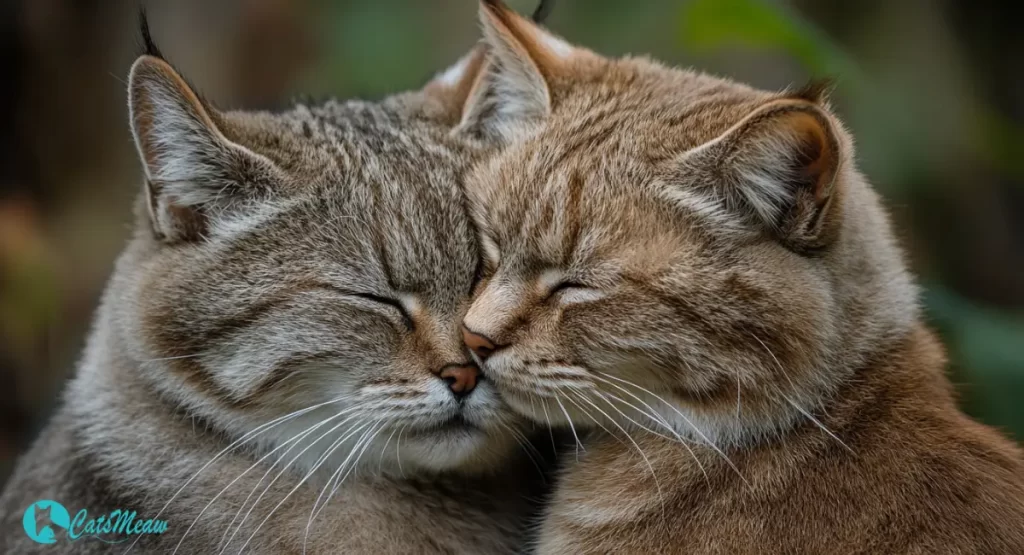
Mutual grooming benefits both physical health and social stability. The effects add up over time, especially in homes with three or more cats.
- Cleaner coats: cats remove dirt, flakes, and loose fur from places they cannot reach alone.
- Early parasite spotting: a groomer may fuss at a flea or scab on a housemate. If you see this, check the coat and read about getting rid of cat fleas.
- Lower tension: cats that groom each other tend to fight less and share space more easily.
- Calmer moods: the slow, repetitive licking relaxes both cats, which helps anxious individuals.
Grooming is also a quiet sign of good compatibility. Cats that groom each other, sleep in contact, and play together usually have a stable bond. If you cannot tell whether rough contact is play, learn how to tell if cats are playing or fighting.
Is Mutual Grooming Ever a Problem?
Gentle mutual grooming is normal, but a few patterns deserve attention. Problems are uncommon, and they usually show up as a change from your cats’ usual routine.
Signs that grooming has gone too far:
- One cat has thinning fur, bald patches, or red skin where the other keeps licking.
- Grooming turns into biting, pinning, or one cat trying to escape.
- One cat is groomed constantly while the other never gets a turn.
- A cat suddenly starts or stops grooming a housemate it used to groom.
Over-grooming can point to stress, boredom, or skin trouble in the cat being licked. Persistent bald spots may also relate to health problems covered in hair loss in cats. A sudden change in behavior, especially with hiding or appetite loss, is a reason to book a vet visit, because pain or illness can alter how cats interact.
For stress-driven cases, add vertical space and extra resting spots. A sturdy cat tree gives each cat its own territory, and keeping an indoor cat entertained reduces boredom-based licking.
How to Support Healthy Grooming Between Cats
You can encourage healthy mutual grooming by keeping the home calm and the coats in good shape. Most cats need no help, but a few habits make sessions more pleasant.
- Brush your cats regularly: a gentle cat grooming supplies kit helps remove loose hair, so cats swallow less fur during licking sessions. Our guide to cat grooming tips covers technique.
- Give each cat its own resources: separate beds, perches, and a soft cat bed in quiet spots reduce competition.
- Do not interrupt calm sessions: cats that groom in peace are bonding, so let them finish.
- Introduce new cats slowly: forced contact delays bonding, and tips for introducing two cats help the process.
Check coats during brushing for fleas, scabs, or hot spots. The International Cat Care site explains how normal social behavior differs from stress signals.
Frequently Asked Questions
Why do cats lick each other and then bite?
Grooming that ends in a nip is usually a gentle “enough now” signal or over-stimulation. If the bites are hard, or one cat flees, separate them briefly and watch for rising tension.
Do cats that groom each other love each other?
Yes, regular mutual grooming is one of the strongest signs that two cats are bonded. Cats that also sleep touching and rub against each other are typically close companions.
Why does my cat groom my other cat so much?
Frequent grooming usually signals affection, a stronger social role, or a habit from kittenhood. It becomes a concern only if the groomed cat has bald spots or tries to get away.
Should I stop my cats from grooming each other?
No, you should not stop gentle grooming, because it supports bonding and hygiene. Step in only when you see skin damage, biting, or one cat clearly distressed.
Cats grooming each other is a healthy sign of trust, shared scent, and comfort in a multi-cat home. Watch for balanced turns and calm body language, and call your vet if you notice fur loss or sudden behavior changes.